

 Travel Essentials
 Travel Essentials

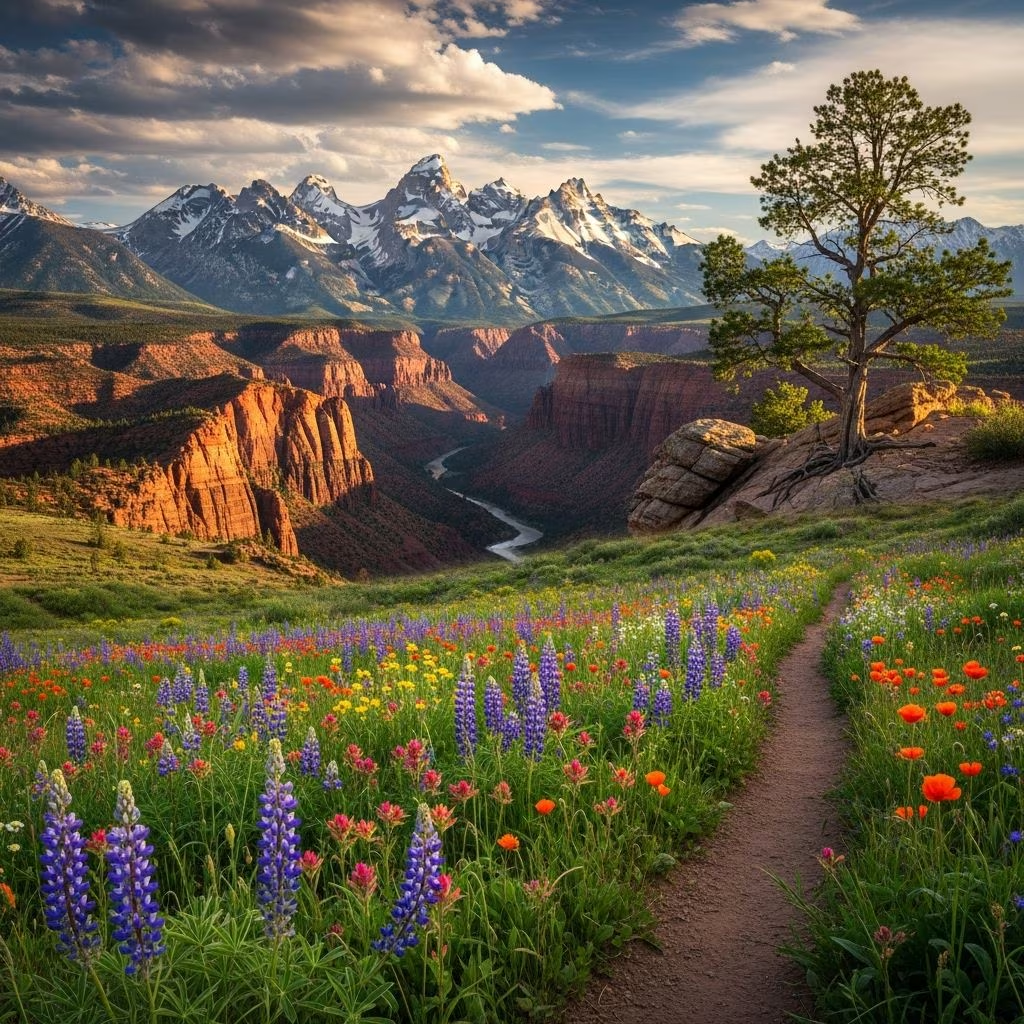
Explore the best national parks in the Western US, featuring iconic landscapes like Yosemite's granite cliffs, Yellowstone's geysers, and Zion's red rock canyons. Perfect for adventure seekers.
 Travel Essentials
The Western United States boasts some of the world’s most breathtaking natural landscapes, preserved within a network of national parks that draw millions of visitors annually. These protected areas span diverse ecosystems, from towering granite domes and geothermal wonders to slot canyons and ancient forests. Whether you’re planning a cross-country road trip or a focused getaway, these parks offer unparalleled opportunities for hiking, wildlife viewing, and stargazing. This guide highlights the standout destinations, drawing from official park data and traveler insights to help you prioritize your itinerary.
California alone hosts over a dozen national parks, each showcasing unique geological features shaped by millions of years of tectonic activity, erosion, and volcanic forces. Further east, parks in Utah, Wyoming, and Oregon add layers of red rock drama and cascading waterfalls to the mix.
These parks exemplify the West’s geological diversity, where glaciation and uplift have carved dramatic vistas accessible via well-maintained trails.
The Pacific Ring of Fire influences several Western parks, creating active geothermal zones and crater lakes. Yellowstone, straddling Wyoming, Montana, and Idaho, sits atop a supervolcano and features more than half the planet’s geysers.
| Park | Key Feature | Size (sq mi) | Annual Visitors (millions) |
|---|---|---|---|
| Yellowstone NP | Geysers & Hot Springs | 3,471 | 4.5 |
| Crater Lake NP | Deepest US Lake | 183 | 0.5 |
| Lassen Volcanic NP | Active Volcano | 106 | 0.4 |
Old Faithful in Yellowstone erupts predictably every 90 minutes, shooting water 100-180 feet high. Crater Lake’s vivid blue waters fill a 2,148-foot-deep caldera from Mount Mazama’s eruption 7,700 years ago. Lassen offers hydrothermal areas with boiling mud pots and steam vents, remnants of its 1914-1915 eruptions.
Southern California’s deserts harbor parks defined by extreme aridity and unique flora. Joshua Tree National Park merges the Mojave and Colorado deserts, where twisted Joshua trees thrive alongside massive boulders perfect for climbing.
Death Valley National Park holds records for hottest temperatures (134°F in 1913) and lowest point (Badwater Basin at 282 feet below sea level). Its salt flats, colorful badlands, and Telescope Peak (11,043 feet) create surreal contrasts. Nearby, Channel Islands National Park’s five islands off the coast preserve endemic species like the island fox, accessible only by boat.
Utah’s “Mighty Five” parks are must-visits for slot canyon enthusiasts and hoodoo admirers. Zion National Park’s Angels Landing trail offers vertigo-inducing views via chained sections along a narrow ridge. Bryce Canyon National Park’s hoodoos—tall, thin spires of rock—glow orange at sunrise, best seen from Navajo Loop Trail.
These parks, managed by the National Park Service, see over 10 million visitors combined yearly, emphasizing the need for timed entry permits during peak seasons.
The Pacific Northwest’s temperate rainforests and glaciated volcanoes provide misty, moss-draped trails. Olympic National Park encompasses rainforest valleys, rugged beaches, and Hurricane Ridge’s alpine meadows. Mount Rainier National Park circles the 14,410-foot volcano with wildflower meadows and ice caves.
Redwood National and State Parks protect the tallest trees on Earth, coast redwoods exceeding 370 feet. North Cascades National Park, dubbed the “Alpine Alps,” features over 300 glaciers and jagged peaks.
A classic itinerary links Yosemite, Sequoia, Death Valley, and Joshua Tree in a 1,000-mile loop, drivable in 10-14 days. For the Utah Mighty Five, fly into Las Vegas or Salt Lake City and rent a 4WD vehicle for remote areas.
| Route Segment | Distance (miles) | Drive Time | Highlights |
|---|---|---|---|
| Yosemite to Sequoia | 170 | 4 hours | Tioga Pass, Giant Forest |
| Sequoia to Joshua Tree | 365 | 6 hours | Mojave Desert, Keys View |
| Moab to Arches/Zion | 300 | 5 hours | Delicate Arch, Angels Landing |
Best times: Spring (April-June) for waterfalls, fall (September-October) for fewer crowds. Book lodges and campsites months ahead via recreation.gov. Pack layers, sturdy boots, and bear spray where needed.
From Zion’s 14-mile West Rim Trail to Yellowstone’s 900+ miles of paths, hiking is king. Multi-day backpacking in the Tetons or Sierra High Route requires permits.
Spot grizzlies and wolves in Yellowstone, bighorn sheep in Zion, condors in Grand Canyon (adjacent), and sea otters in Olympic.
With visitation surging post-pandemic, parks implement lotteries for popular hikes like Half Dome cables. Follow Leave No Trace principles: pack out trash, stay on trails, and respect wildlife. Climate change threatens glaciers and sequoias, underscoring the importance of supporting conservation efforts.
Subjective, but Yosemite and Yellowstone top most lists for iconic scenery and biodiversity.
10-21 days to cover highlights without rushing; focus on 3-5 parks for depth.
Yes, $35 per vehicle for 7 days; America the Beautiful Pass ($80/year) covers all parks.
Joshua Tree for easy climbs and stargazing; Olympic for beaches and tide pools.
Summer (June-August); shoulder seasons offer milder weather and solitude.
