

Food & Culture Stays Travel Essentials Travel Guides Trip Ideas
Categories
From the Blog
Remy’s Ratatouille Adventure at EPCOT: Ride Review, Tips & 2D Update
Travel Essentials

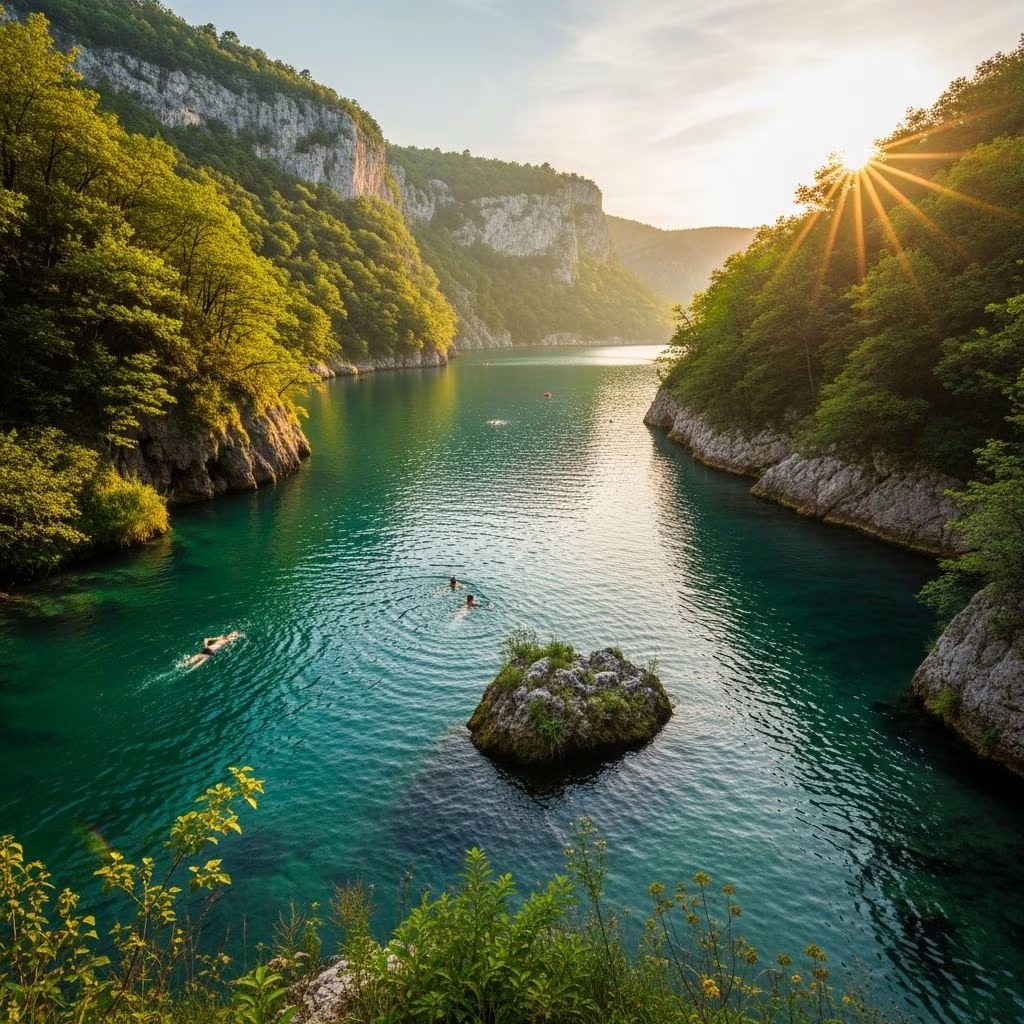
Best Wild Swimming Spots in Europe

Explore top wild swimming spots in Europe, from alpine lakes to turquoise rivers, with tips on safety, access, and the best times to plunge in.
Travel Essentials

Wild swimming offers a thrilling way to connect with nature, immersing yourself in pristine waters surrounded by dramatic landscapes. From the snow-capped Alps to sun-drenched Mediterranean rivers, Europe boasts diverse spots where adventurers can swim in unchlorinated bliss. This guide highlights exceptional locations, drawing from reliable travel insights to help you plan safe, memorable dips.

Why Choose Wild Swimming in Europe?

Europe’s wild swimming sites stand out for their accessibility, variety, and natural beauty. Unlike crowded pools, these spots provide solitude, health benefits from mineral-rich waters, and opportunities for hiking, picnicking, and wildlife spotting. Summer months bring warmer temperatures, but even cooler dips invigorate the senses. Always prioritize safety: check water quality, currents, and local regulations before entering.

Alpine Lakes: Crystal Clarity and Mountain Majesty

High-altitude lakes in the Alps deliver some of Europe’s most striking swimming experiences, with visibility often exceeding 20 meters due to glacial purity.

  • Lake Walchensee, Bavaria, Germany: Nestled near Munich amid quiet forests and the Sassau Island, this mineral-infused lake warms invitingly in summer. Ideal for relaxed swims with stunning alpine backdrops.
  • Attersee and Lake Hallstatt, Austria: Attersee offers exceptional water purity, while Hallstatt’s Badeinsel provides grassy sunbathing and diving platforms amid picturesque villages.
  • Lake Klopein, Austria: One of the warmest alpine lakes at up to 26°C, perfect for extended swims in southern Austria’s serene setting.

These lakes attract nature enthusiasts for their calm waters and surrounding trails, but arrive early to avoid peak crowds.

Mediterranean Rivers and Emerald Pools

Southern Europe’s rivers carve through gorges, forming natural pools with turquoise hues and white-sand beaches.

LocationKey FeaturesBest ForAccess Tips
Sierra Dos Gredos, SpainCalm rivers, remote beachesPicnics, hikingPack supplies; off-track spots
Pozze Smeraldine, Dolomites, ItalyRock pools, waterfallsAdventure swimsHike from Tramonti di Sopra
Verzasca River, SwitzerlandGorges, bridges for jumpsThrilling divesFollow paths in Lavertezzo
Soča River, SloveniaEmerald waters, national parkScenic floatsTriglav National Park entry

These sites offer idyllic, safe swimming with minimal crowds, enhanced by nearby cycling and exploration options.

Northern Lakes: Vast and Refreshing

Scandinavia and Germany’s expansive lakes mimic inland seas, with warm shallows and island-dotted shores.

  • Lake Griessee, Germany: The nation’s warmest at 25°C+, shallow bays heat quickly for comfortable swims.
  • Lake Saimaa, Finland: Europe’s fourth-largest lake with 14,000 islands, labyrinthine shores ideal for kayaking and dipping.
  • Lake Vänern, Sweden: Third-largest in Europe, featuring coves and beaches; try glacial swims under the midnight sun in Lapland.

Northern spots shine in late summer when waters peak at 18-22°C, blending swimming with cultural history like Finland’s artist retreats.

Western Waterfalls and Rivers: Hidden Cascades

From Cornwall to the Pyrenees, cascading falls create secluded pools amid lush woodlands.

  • Golitha Falls, England: Mossy rocks and River Fowey pools on Bodmin Moor offer tranquil, ancient-forest swims on warm days.
  • Ruta del 7 Gorgs, Spain: Pyrenees waterfalls near Campdevànol form year-round paradises with mountain-fed freshness.
  • River Cher, Chenonceaux, France: Flows by Renaissance chateaux, vineyards; less-crowded upstream spots for romantic paddles.
  • Lac d’Ilay, Jura, France: Warm, beach-fringed lake with cliffs for daring jumps in peaceful surroundings.

These locales emphasize preparation: bring towels, snacks, and sun protection for full-day escapes.

Lake Constance and Border Gems

Straddling Germany, Switzerland, and Austria, Lake Constance captivates with panoramic views and bathing areas. Nearby Swiss Lake Lugano hits 32°C in July, complemented by historic ‘Badi’ facilities with lifeguards and lawns.

Durmitor’s Crno Jezero in Montenegro, a glacial ‘mountain eye,’ provides chilly summer refreshment amid firs and peaks.

Safety Essentials for Wild Swimming

Prioritize these guidelines for enjoyable, risk-free adventures:

  • Check local weather, water levels, and pollution reports via official apps or sites.
  • Swim with a buddy; inform others of your plans.
  • Avoid strong currents, slippery rocks, or post-rain swims.
  • Use water shoes, apply reef-safe sunscreen, and enter no-trace principles.
  • Respect nudist areas where common, like certain Swiss or Croatian spots.

Seasonal Planning and Packing Guide

Peak season runs June to September, with southern waters warmest by July. Northern sites suit hardy swimmers earlier.

RegionPeak Water Temp Best Months
Alps/Austria24-28°CJuly-Aug
Mediterranean22-32°CJun-Sep
Northern Lakes18-25°CJul-Sep

Pack: Quick-dry towel, rash guard, waterproof bag, snacks, first-aid kit, and eco-friendly products.

Environmental Stewardship in Wild Spots

Preserve these treasures by packing out waste, sticking to paths, and supporting protected areas like national parks. Many sites rely on visitor mindfulness to maintain their pristine state.

Frequently Asked Questions (FAQs)

Is wild swimming legal everywhere in Europe?

Most natural waters allow it, but check local rules—some beaches or parks prohibit it. National parks often require permits.

What’s the best time for beginners?

Mid-summer mornings in calmer lakes like Walchensee or Annecy for warmer, less crowded waters.

Are there facilities at these spots?

Remote sites lack them; popular lakes like Hallstatt offer changing areas. Always self-prepare.

How cold is the water in alpine rivers?

10-18°C typically; glacial feeds keep them refreshing—wear neoprene if needed for longer swims.

Can families swim safely?

Yes, in shallow, supervised areas like Lac d’Ilay or Lake Constance beaches. Avoid gorges with kids.

References

  1. The most beautiful rivers and lakes for swimming in Europe — ByUnique Traveler. Accessed 2026. https://traveler.byunique.com/article/4/the-most-beautiful-rivers-and-lakes-for-swimming-in-europe
  2. Wild swimming in Europe? Make sure you hit these spots — Freely.me. Accessed 2026. https://www.freely.me/au/travel-stories/wild-swimming-in-europe-make-sure-you-hit-these-spots
  3. Where to Swim in Europe: The Ultimate Lake Guide — IgluCruise Blog. Accessed 2026. https://www.iglucruise.com/blog/where-to-swim-in-europe-the-ultimate-lake-guide
  4. Open Water Swimming Vacations in Europe — Much Better Adventures. Accessed 2026. https://www.muchbetteradventures.com/en-us/explore/europe/wild-swimming/
SN
Sneha Tete
Sneha is a relationships and lifestyle…

Sneha is a relationships and lifestyle writer with a strong foundation in applied linguistics and certified training in relationship coaching. She brings over five years of writing experience to CultureTreker,  crafting thoughtful, research-driven content that empowers readers to build healthier relationships, boost emotional well-being, and embrace holistic living.Her writing and insights reflect the belief that beauty, happiness, and wellness begin from within, through the harmonious balance of the mind, body, and heart. With a background in instructional design and research writing, Sneha transforms complex topics into practical insights that are easy to understand and apply.Sneha has also self-published a novella on adolescent mental health, highlighting her ability to navigate emotionally layered topics with nuance and empathy. When she's not writing, you'll find her exploring storytelling through photography, diving into K-dramas, or enjoying quiet moments with her family and friends.

← Previous
National Parks and Native American Heritage
‹›
