

 Travel Essentials
 Travel Essentials

Explore the UK's most stunning natural swimming locations, from mountain lakes to tidal pools, with practical tips for safe water adventures.
 Travel Essentials
The United Kingdom offers an extraordinary collection of natural water environments perfect for swimming enthusiasts seeking authentic outdoor experiences. From mountain-fed lakes surrounded by breathtaking peaks to serene river valleys and dramatic coastal formations, these destinations provide swimmers with opportunities to connect with nature while enjoying refreshing water adventures. Each location presents unique characteristics, challenges, and rewards for those willing to explore beyond conventional public pools.
Wild swimming, sometimes referred to as open water swimming, encompasses immersion in natural bodies of water found throughout the British landscape. This activity has gained significant popularity as more people seek alternatives to chlorinated indoor facilities and desire meaningful engagement with the natural environment. The practice requires understanding water conditions, weather patterns, tidal movements, and personal swimming capabilities to ensure safe and enjoyable experiences.
The UK’s diverse geography—encompassing mountainous regions, extensive river systems, and rugged coastlines—creates numerous opportunities for swimmers of varying skill levels. Whether you’re a beginner seeking calm, sheltered pools or an experienced swimmer pursuing challenging open water experiences, natural swimming destinations across the country cater to different preferences and abilities.
Eastern regions of England showcase unique water environments shaped by meandering rivers and extensive water meadows. The Waveney represents a quintessential example, flowing gently through pastoral landscapes where Norfolk and Suffolk meet. This location combines accessibility with picturesque surroundings, offering swimmers the chance to immerse themselves in authentic countryside settings while enjoying reasonably warm, sheltered waters during warmer months.
The appeal of eastern river swimming lies in its understated beauty. These waterways flow through working agricultural landscapes, past historic structures, and alongside charming villages. The gradual depths and gentle currents typically found in such locations make them particularly suitable for swimmers developing confidence or families introducing younger members to natural water swimming.
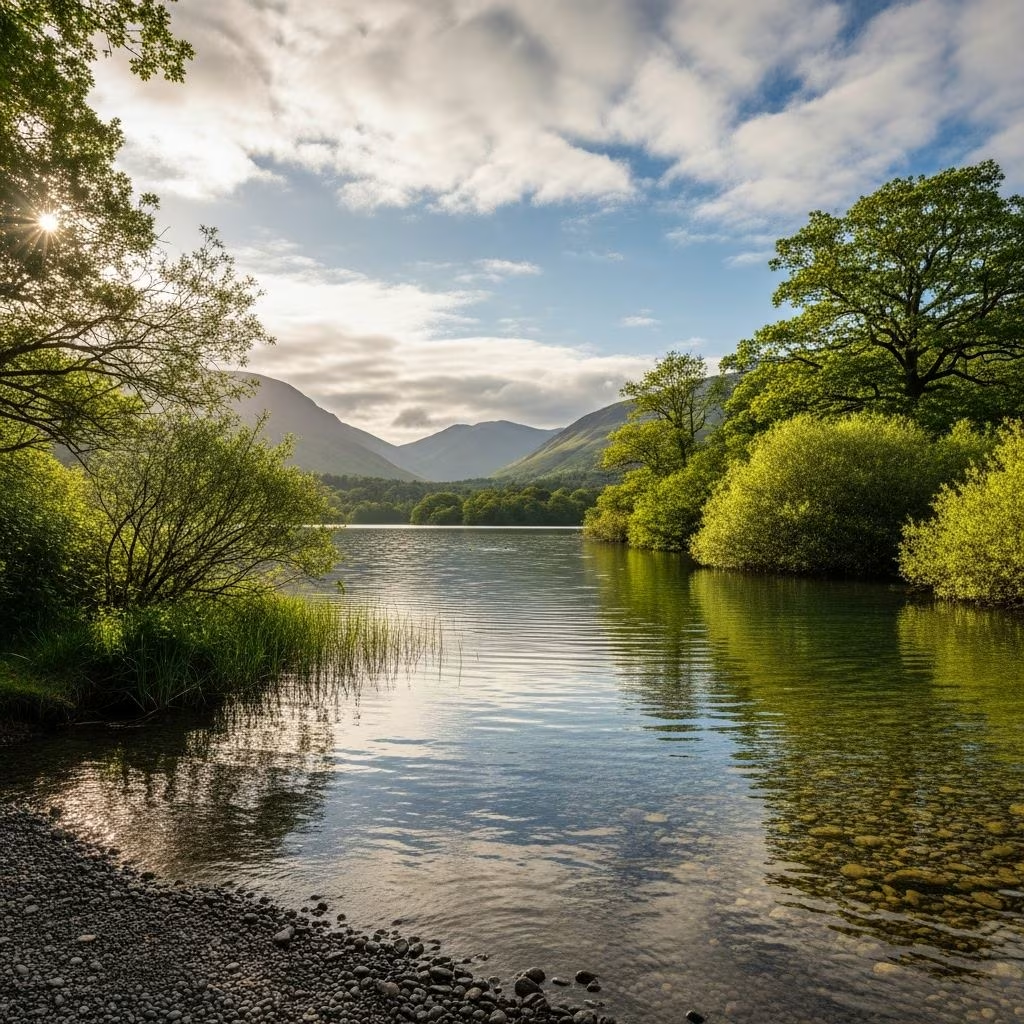
Scotland’s contribution to UK natural swimming includes spectacular mountain-ringed lakes offering dramatic scenery and cool, pristine waters. These lochs, situated within protected national parks and ancient forests, provide swimming experiences distinguished by their remoteness and untamed character. The combination of clear water, stunning visual backdrops, and peaceful solitude attracts swimmers seeking more contemplative outdoor adventures.
Mountain lakes typically feature deeper waters and cooler temperatures year-round compared to lowland alternatives. Swimmers venturing to Scottish highland locations should possess intermediate to advanced skills and appreciate the commitment required to reach these destinations. The rewards include exceptional wildlife viewing opportunities, photographic moments, and genuine wilderness immersion impossible to achieve at more accessible sites.
Wales offers distinctive swimming opportunities characterized by remote valley locations and spectacular water formations. Rivers descending from high terrain create natural pools, waterfalls, and cascades that provide cooling dips during summer months. These locations typically require hiking through scenic landscapes, making the swimming experience part of a comprehensive outdoor adventure rather than a standalone activity.
Welsh water environments tend to feature excellent water clarity due to the region’s high rainfall and bedrock geology. The mountainous terrain ensures consistent water temperature and quality throughout seasons. However, swimmers should remain vigilant regarding flash flood risks during heavy rainfall, as valley locations can experience rapid water level increases that render previous swimming areas unsafe within minutes.
The Lake District stands as England’s foremost destination for natural water swimming, offering more than a dozen major lakes complemented by countless smaller tarns, streams, and becks. This region benefits from dedicated wild swimming communities, established access routes, and well-developed infrastructure supporting water recreational activities. Visitors find numerous options accommodating different skill levels and preferences, from sheltered lakeside zones suitable for beginners to challenging open water conditions preferred by experienced swimmers.
Several Lake District locations merit particular attention. High altitude tarns provide crystalline waters and panoramic mountain vistas, though they require substantial hiking commitment. Lower elevation lakes balance accessibility with scenic quality, featuring easier access points without sacrificing natural beauty. The region’s combination of excellent water quality, reliable facility access, and established swimming culture makes it an ideal introduction destination for those new to natural water immersion.
Southern England provides swimming opportunities distinguished by easier accessibility and typically warmer water temperatures compared to northern counterparts. These locations serve as ideal introduction points for beginning swimmers and families seeking manageable outdoor water experiences. Well-maintained footpaths, nearby parking facilities, and nearby villages offering amenities characterize southern England swimming destinations.
The Thames, despite its urban reputation in London, contains genuinely swimmable sections in its middle reaches. These areas feature relatively clean, flowing water passing through gentle countryside landscapes within reasonable driving distance from London. Southern coastal regions provide additional options, combining swimming with seaside recreation and beach exploration.
Cornwall’s rugged coastline creates unique natural swimming formations shaped by tidal movements and rocky geology. Certain beaches feature tidal pools—natural basins filled by incoming tides that become enclosed swimming venues as water recedes. These formations provide sheltered, contained swimming areas with distinctive character and charm unavailable at conventional beach locations.
Tidal pool swimming requires understanding local tide tables and timing visits appropriately. Swimmers should enter only during favorable tidal conditions when pools contain adequate depth for safe immersion. These locations transform dramatically between tide cycles, appearing as substantial swimming holes during certain periods while becoming inaccessible rocks and shallow areas during others. This dynamic quality creates both appeal and requiring careful planning for successful visits.
UK natural water environments experience significant seasonal temperature fluctuations. Summer months (June through September) typically provide warmest conditions, with many locations reaching comfortable temperatures for extended swimming. Winter immersion requires specialized thermal protection for most swimmers, though hardy individuals practice year-round cold water swimming. Spring and autumn present intermediate conditions requiring thoughtful clothing decisions based on personal cold tolerance and swimming duration.
Natural water quality varies considerably depending on location characteristics, recent weather patterns, and upstream activities. Mountain-fed sources typically maintain excellent clarity and purity, while lowland rivers may experience seasonal variations affecting water safety. Swimmers should research current conditions before visiting, particularly after heavy rainfall when water quality can deteriorate rapidly due to runoff carrying contaminants from surrounding terrain.
UK wild swimming exists within complex land ownership frameworks requiring understanding of public access rights and private property restrictions. Many popular swimming locations sit on private land where owners tolerate recreational use but technically maintain right to restrict access. Swimmers should research legal access status before visiting and respect existing restrictions even when tempted by appealing water features. Respecting landowner goodwill preserves access for future enthusiasts and maintains positive relationships between recreational users and property holders.
| Location | Region | Water Type | Skill Level | Accessibility |
|---|---|---|---|---|
| Lake District Tarns | England | Mountain Lake | Intermediate to Advanced | Requires Hiking |
| Thames (Pangbourne) | Southern England | River | Beginner to Intermediate | Easy Parking |
| Cornish Tidal Pools | Southwest England | Coastal Pool | Beginner to Intermediate | Beach Access |
| Scottish Highland Lochs | Scotland | Mountain Lake | Advanced | Remote Location |
| Welsh Valley Rivers | Wales | River/Waterfall | Intermediate | Hiking Required |
Successful natural water swimming requires appropriate preparation and equipment investment. Thermal protection becomes increasingly important for cold water locations and extended swimming sessions. Wetsuits, thermal hoods, and specialized gloves protect against dangerous hypothermia while enabling comfortable extended immersion. Experienced swimmers often layer multiple thermal protection options depending on water temperature and planned duration.
Additional gear enhances safety and experience quality. Swim caps protect heads while improving visibility to others in water. High-visibility swim buoys alert boat operators and other water users to swimmer presence. Waterproof bags carrying dry clothes, identification documents, and emergency supplies should accompany every outing. Establishing buddy systems where swimmers never enter water alone significantly reduces accident risk and ensures prompt assistance if medical emergencies occur.
Wild swimming occupies a complex legal position varying by location and land ownership. Public access rights differ between England, Scotland, Wales, and Northern Ireland, with Scotland generally offering broader legal swimming rights. Many popular locations exist on private land where owners tolerate recreational use despite lacking explicit legal permission. Research specific location regulations before visiting and respect posted restrictions.
Natural water immersion carries potential health risks including hypothermia, water-borne infections, and physical hazards like sharp rocks or submerged debris. Swimmers should assess personal fitness levels honestly, avoid swimming alone, understand local water conditions thoroughly, and recognize cold water dangers. Consulting healthcare providers before beginning cold water swimming practices proves prudent, particularly for individuals with existing cardiovascular conditions.
Lake District lower-elevation lakes, southern England river sections, and Cornish tidal pools provide relatively safe entry points for developing swimmers. These locations typically feature gradual depth progression, calm conditions, and established access infrastructure. Venturing to remote mountain locations or challenging tidal environments requires demonstrated competency and experienced supervision.
Gradual cold water exposure, progressive thermal protection advancement, and buddy system participation form essential preparation components. Entering gradually rather than diving suddenly into cold water reduces shock response and associated breathing difficulties. Building tolerance through regular practice in progressively colder conditions develops physical adaptation enabling safe extended immersion.
Wild swimming communities emphasize environmental stewardship ensuring locations remain accessible and undamaged for future users. Swimmers should remove all waste materials, avoid disturbing wildlife, and refrain from introducing contaminants into water systems. Using reef-safe sunscreen prevents environmental damage, while minimizing soap use prevents water quality degradation. Leaving natural environments in condition equal or superior to discovery conditions maintains access opportunities and demonstrates respect for shared resources.
UK natural swimming has developed vibrant communities sharing knowledge, experiences, and mutual support. Established groups organize regular outings, provide safety information, and welcome newcomers. Participating in these communities provides valuable learning opportunities, social connections, and safer swimming through buddy participation and collective experience sharing. Online platforms, local meetups, and social media groups facilitate connections with fellow enthusiasts regardless of geographic location or experience level.
The UK’s exceptional natural water resources provide swimming opportunities rivaling any global destination. From accessible southern locations to remote mountain environments, diverse options accommodate varying skill levels, preferences, and physical capabilities. Beginning swimmers benefit from selecting appropriate starter locations, investing in proper preparation and equipment, and progressively building skills and confidence. Experienced swimmers discover new challenges and remarkable natural beauty in locations requiring expedition-style commitment. Whether seeking peaceful summer dips, challenging cold water swimming, or contemplative wilderness immersion, UK natural water environments await discovery and respectful enjoyment.
