

 Travel Essentials
 Travel Essentials

Explore prime locations for wildflower viewing in the US during 2026, including national parks and state reserves with peak bloom times and tips.
 Travel Essentials
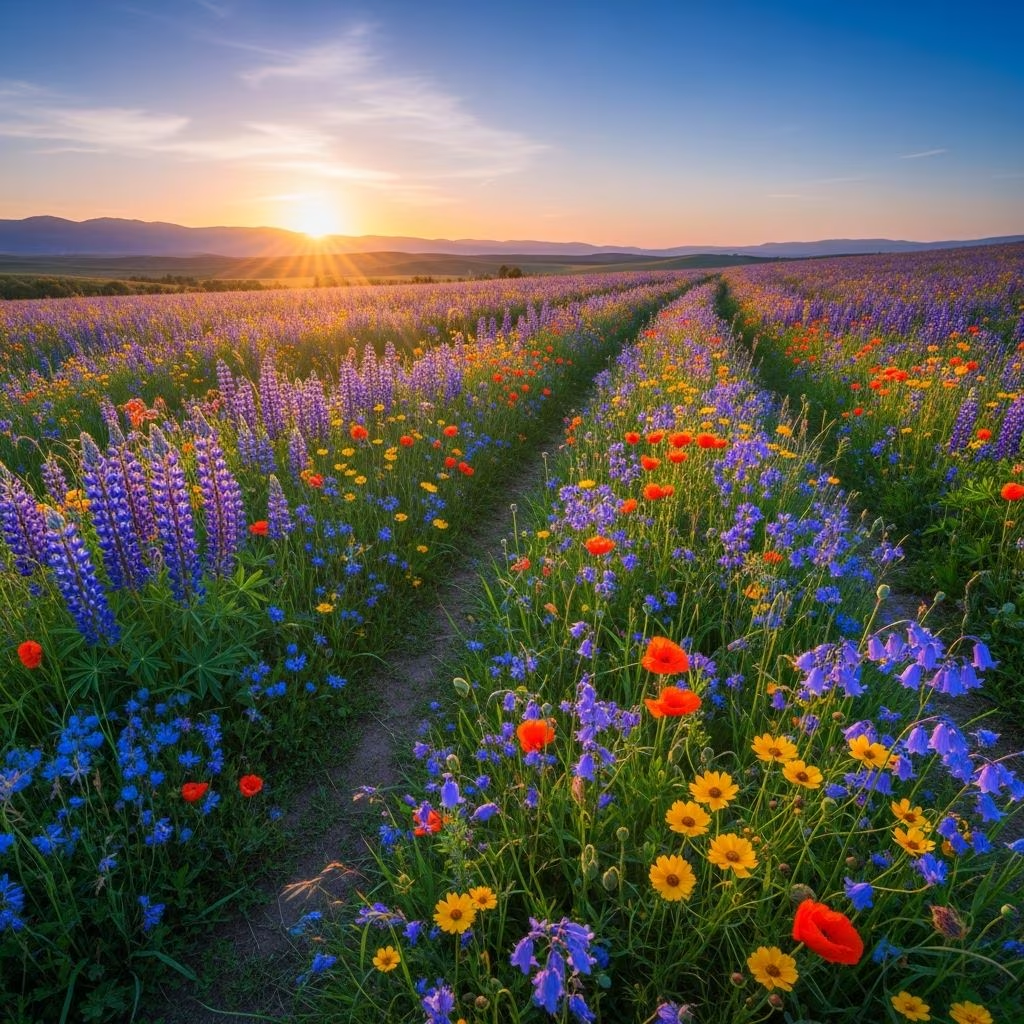
Wildflower season transforms landscapes across the United States into vibrant tapestries of color each year, and 2026 promises exceptional displays due to favorable weather patterns. From arid deserts bursting with superblooms to lush mountain valleys, these natural spectacles draw nature enthusiasts nationwide. This guide highlights key destinations, optimal viewing periods, featured blooms, and practical advice for your trip.
California stands at the forefront of 2026 wildflower excitement, particularly in its national parks where recent heavy rainfall has primed the ground for extraordinary outbursts. Death Valley National Park emerges as the epicenter, typically one of the driest regions, now showcasing vast fields of desert gold and other resilient species amid its dramatic canyons and dunes. Lower elevations bloom first in early spring, progressing to higher areas as temperatures rise.
Joshua Tree National Park complements this with Mojave and Sonoran desert flora, including lupines, poppies, and cactus blossoms that paint the rocky terrain. The Central Coast along routes like Highway 101 also delivers reliable shows of California poppies and paintbrush, even in non-superbloom years. Anza-Borrego Desert State Park adds early March peaks with yellow desert marigolds, purple sand verbena, and pink beavertail cactus, potentially rivaling space-visible superblooms seen in prior years.
Texas boasts over 1,000 wildflower species, with April designated as wildflower month in areas like Cuero. Inks Lake State Park near Austin features bluebonnets amid pink rocky landscapes, ideal for scenic drives. Big Bend National Park in the southwest offers reliable bluebonnets and yucca, even in drier conditions, thriving along trails and roadsides.
These central and western Texas spots provide accessible viewing with family-friendly trails and birdwatching opportunities, such as golden-cheeked warblers. Combine visits with regional drives for maximum exposure to the state’s floral diversity.
| Location | Peak Bloom | Signature Flowers |
|---|---|---|
| Inks Lake State Park | April | Bluebonnets |
| Big Bend National Park | Spring | Bluebonnets, yucca |
Nevada benefits from proximity to California’s Death Valley superbloom, offering spillover effects into its own diverse ecosystems. Red Rock Canyon National Conservation Area, just minutes from Las Vegas, displays Indian paintbrush, fireweed, agave, and cholla cactus blooms starting in March. Carson City serves as a gateway to valleys rich in desert peach and poppies, spanning elevations for extended seasons from spring into summer.
These sites appeal to urban escapees, blending quick access with rugged beauty and varying altitudes for prolonged flower sightings.
Arizona’s sunny climates foster resilient desert blooms, highlighted at Picacho Peak State Park where flowers sprout directly from arid sands below towering bluffs. Lost Dutchman State Park, near Phoenix, reveals desert hyacinths and golden brittlebush across its hiking paradise. These locations provide vivid contrasts against rocky backdrops, perfect for photographers.
Shifting eastward, Great Smoky Mountains National Park in Tennessee and North Carolina earns its “Wildflower National Park” moniker with over 1,500 species. April to May brings azaleas, wild geraniums, trilliums, hawkweed, and laurel, especially along the Rich Mountain Loop. Different elevations ensure sequential blooms, paired with bird species like scarlet tanagers.
This most-visited park hosts annual wildflower pilgrimages with guided hikes, making it beginner-friendly yet profoundly diverse.
Franconia Notch State Park in New Hampshire peaks in June with pink and purple lupines blanketing fields amid White Mountain peaks. Trails and backroads offer crowd-avoidance options, enhanced by local festivals in nearby Sugar Hill.
Mount Rainier National Park in Washington dazzles July through August as snow recedes, unveiling lupines, avalanche lilies, paintbrush, and penstemons in Paradise and Sunrise areas. Early mornings or remote trails mitigate parking issues.
Tallgrass Prairie National Preserve in Kansas offers flexible viewing from spring to fall, with asters, goldenrods, and blazing stars peaking alongside tall grasses like big bluestem. Bison herds and prairie-chickens add ecological depth to this remnant ecosystem.
Its extended season suits unpredictable schedules, showcasing waves of color through October.
Timing is crucial; monitor weather and park service reports, as blooms depend on prior rainfall. Pack layers for variable climates, wear sturdy shoes, and follow Leave No Trace principles. Combine with birding, hiking, or photography for enriched experiences. National Forest Service areas like West Elk Scenic Byway provide additional options nationwide.
A superbloom occurs after above-average rainfall in arid regions, triggering mass germination of dormant seeds.
Yes, particularly in California deserts due to record wet falls, with Death Valley leading.
Early spring at lower elevations, progressing upward; check NPS for updates.
Typically leashed only on designated trails; verify park rules.
Visit early mornings, weekdays, or less popular trails and backroads.
