

 Travel Essentials
 Travel Essentials

Explore India's top safari destinations including Ranthambore, Kaziranga, and Bandhavgarh. Learn where to spot tigers, rhinos, and diverse wildlife across different regions.
 Travel Essentials
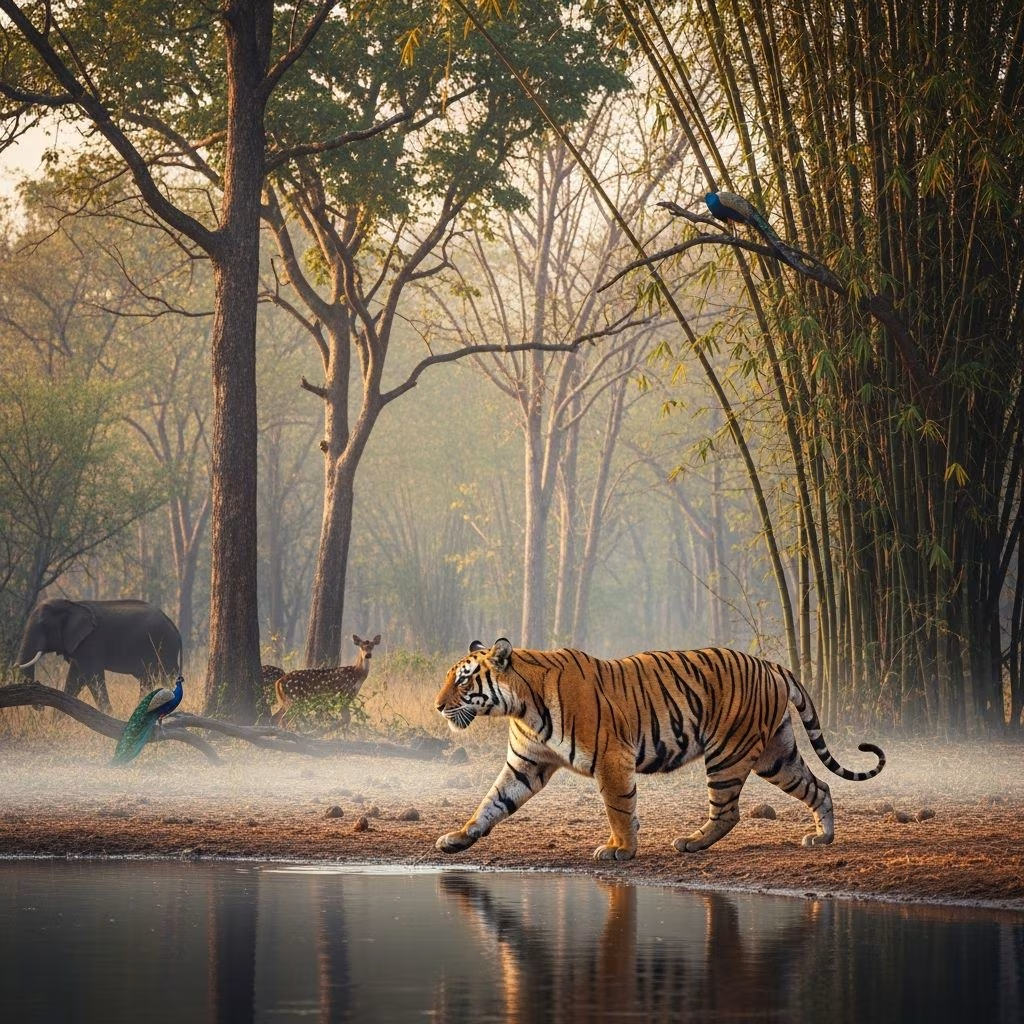
India presents one of the world’s most extraordinary opportunities for wildlife enthusiasts to witness endangered species in their natural environments. The country’s extensive network of national parks and tiger reserves spans diverse ecosystems, from dense tropical forests to grassland landscapes, each offering distinctive encounters with Asia’s most iconic fauna. Whether you’re an experienced wildlife photographer or a first-time safari adventurer, India’s protected areas provide unforgettable experiences that combine natural beauty with genuine conservation efforts.
India’s safari destinations represent some of Asia’s most biodiverse regions, carefully managed to balance wildlife protection with sustainable tourism. The country operates numerous national parks and sanctuaries that serve as critical habitats for endangered species, particularly the Bengal tiger, which has become synonymous with Indian wildlife experiences. Each reserve possesses unique characteristics, vegetation types, and animal populations, making them suitable for different travel preferences and seasonal considerations.
The safari experience in India extends beyond simple animal viewing; it encompasses understanding complex ecosystems, learning about conservation initiatives, and appreciating the intricate relationships between predator and prey in natural settings. Modern safari lodges and camps have evolved to provide comfortable accommodations while maintaining minimal environmental impact, allowing visitors to immerse themselves in wilderness experiences without sacrificing basic amenities.
Located in Rajasthan, Ranthambore has established itself as India’s most visited tiger reserve, attracting wildlife enthusiasts from across the globe. The park encompasses 1,334 square kilometers of diverse terrain, featuring ancient fortifications, lakes, and dense forest vegetation that create dramatic backdrops for wildlife encounters. The presence of visible tigers and leopards throughout the park has made it a premier destination for those seeking reliable wildlife sightings.
The reserve’s accessibility from major Indian cities, combined with well-developed tourism infrastructure, makes it an ideal entry point for safari newcomers. Multiple jeep safari options operate throughout the day, with experienced guides who understand animal behavior patterns and prime viewing locations. The park’s varied topography supports diverse wildlife populations, including sambar deer, nilgai, wild boar, and numerous bird species that comprise the complete ecosystem.
Situated in Madhya Pradesh, Bandhavgarh represents a fascinating intersection of historical heritage and natural conservation. Originally functioning as a royal hunting ground before transitioning to national park status in 1968, this relatively compact reserve covers approximately 448 square miles. Despite its smaller size compared to other reserves, Bandhavgarh maintains an exceptionally high tiger density, making successful sightings more probable for visitors.
The park’s landscape incorporates rocky outcrops, ancient fortifications, and verdant forests that create visually stunning safari experiences. The Bandhavgarh Fort, perched atop elevated terrain, offers panoramic views of the surrounding wilderness. Visitors frequently encounter not only tigers but also leopards, wild dogs, and numerous ungulate species that form the dietary foundation of predatory wildlife.
Straddling the border between Madhya Pradesh and Maharashtra, Pench Tiger Reserve presents a unique geographical advantage, as visitors can explore differing ecological zones and wildlife populations within a single reserve system. The reserve’s name derives from the Pench River, which bisects the park and attracts concentrated wildlife populations during dry seasons. This natural water corridor creates predictable encounter opportunities for safari participants.
Pench’s extensive teak forests provide habitat for diverse wildlife species, while the reserve’s well-maintained trail systems and viewing platforms facilitate comfortable observation. The combination of riverine ecosystems and dry deciduous forests creates varied habitats supporting different species assemblages throughout distinct seasonal periods.
Nestled in Assam, Kaziranga National Park specializes in rhino conservation and represents the world’s highest concentration of Indian one-horned rhinoceroses. Unlike predominantly terrestrial safaris offered elsewhere, Kaziranga combines jeep expeditions with boat safaris along the Brahmaputra River, providing aquatic wildlife viewing opportunities unavailable in other Indian reserves. This dual-approach methodology reveals different animal populations and behavioral patterns observed only from water-based perspectives.
The park’s unique ecosystem supports remarkable biodiversity including wild elephants, water buffalo, wild boar, and extensive bird populations. Seasonal variations dramatically affect wildlife distribution and visibility, with optimal viewing conditions occurring during winter months when water levels recede and animals concentrate around remaining water sources. The adjacent tea gardens provide cultural immersion opportunities, allowing visitors to understand local livelihoods and agricultural traditions indigenous to the Assam region.
Located in Maharashtra, Tadoba Andhari represents one of India’s oldest tiger reserves and increasingly popular safari destinations. The reserve’s proximity to metropolitan areas and developing tourism infrastructure have made wilderness experiences more accessible to urban travelers. Beyond tiger sightings, Tadoba offers opportunities to observe black leopards, a rare color variant occurring in specific populations, and explore cultural significance through visits to ancient temples situated within reserve boundaries.
Established as India’s first national park, Corbett has evolved from purely wildlife-focused experiences to integrated adventure offerings. Situated in Uttarakhand, the park accommodates tiger safaris alongside trekking expeditions, rock climbing, rappelling, and fishing activities, catering to visitors seeking multifaceted wilderness experiences. This diversified approach appeals to families and adventure seekers beyond dedicated wildlife enthusiasts.
Understanding seasonal patterns significantly enhances safari success and overall experiences. Summer months, spanning March through May, concentrate wildlife around remaining water sources, increasing encounter probabilities. However, excessive heat creates challenging conditions for both animals and visitors, with temperature extremes potentially limiting physical comfort during extended safari sessions.
Winter months, from November through February, represent the premier safari season across most Indian reserves. Cooler temperatures energize animal activity, vegetation recedes to lower levels facilitating observation, and migratory bird populations augment overall biodiversity. Monsoon seasons, typically June through September, render many reserves inaccessible due to challenging road conditions and reduced visibility, though certain parks maintain limited operations during this period.
Open-air jeep expeditions constitute the standard safari methodology across Indian reserves, allowing unobstructed wildlife observation and photographic opportunities. Professional drivers and naturalist guides navigate established routes while interpreting animal behavior, forest ecology, and conservation initiatives. Morning and afternoon safari sessions typically span three to four hours, optimizing energy expenditure while maximizing encounter opportunities during peak animal activity periods.
Selected reserves offer guided walking expeditions, providing intimate forest immersion and unique perspectives impossible from motorized conveyances. These pedestrian-based adventures require physical fitness and accommodate smaller participant groups, creating exclusive experiences for dedicated wildlife enthusiasts. Walking safaris typically occur during early morning or late afternoon periods when predatory activity remains moderate and environmental conditions remain favorable.
Safari accommodation ranges from ultra-luxury tented resorts featuring fine dining and spa facilities to rustic camps emphasizing authentic wilderness immersion. Luxury lodges typically incorporate modern amenities, experienced hospitality staff, and curated naturalist programs, appealing to travelers prioritizing comfort alongside wildlife encounters. Mid-range camps balance comfort with authenticity, offering quality accommodations without excessive luxury infrastructure. Budget-conscious visitors access functional lodges providing adequate comfort for multi-day safari experiences while preserving financial resources for extended reserve exploration.
Bengal Tigers: India’s most iconic species and primary safari attraction, tiger sightings require patience, timing, and experienced guide assistance. Recent conservation efforts have stabilized populations, increasing encounter probabilities at premier reserves.
Leopards: Elusive spotted cats more frequently observed during evening hours and in rocky terrain. Jhalana Leopard Safari and similar specialized facilities focus exclusively on leopard conservation and observation.
Indian Rhinoceros: Concentrated in Kaziranga and specific Assam reserves, providing unique opportunities for this endangered species observation.
Wild Elephants: Observed across multiple reserves, particularly during water-source concentration periods. These massive herbivores create dramatic visual encounters and meaningful ecological insights.
Avian Diversity: Over 500 bird species inhabit Indian reserves, ranging from raptors to migratory species, supporting specialized birdwatching tourism alongside general wildlife observation.
Wildlife photography requires specialized equipment including telephoto lenses, tripods, and protective gear. Early morning and late afternoon periods offer optimal lighting conditions for professional-quality documentation. Guides experienced in wildlife behavior can position visitors advantageously, though ethical observation practices mandate maintaining safe distances from animals to avoid stress or behavioral disruption. Many lodges offer photography-specific safari programs with extended duration and guide specialization in photographic positioning.
Winter months (November to February) provide optimal conditions with moderate temperatures, reduced vegetation, and concentrated wildlife populations around water sources. This period guarantees superior sighting probabilities and comfortable physical conditions for visitors.
Tiger encounter probabilities vary significantly by reserve and season. Premier reserves like Ranthambore and Bandhavgarh report relatively high sighting frequencies during winter months, while success rates in other reserves remain variable. Patient observers with experienced guides optimize encounter possibilities.
Standard jeep safaris accommodate varying fitness levels, though extended vehicle rides over rough terrain may challenge individuals with mobility concerns. Walking safaris require adequate physical conditioning. Lodges typically accommodate diverse accessibility needs through alternative activities and modified experiences.
Essential items include lightweight, neutral-colored clothing, sturdy footwear, high-SPF sunscreen, binoculars, cameras with telephoto capabilities, and insect repellent. Early morning and evening temperatures warrant layered clothing options for temperature fluctuations.
Minimum three-day visits permit multiple safari sessions across varying times and reserve zones, increasing wildlife encounter probabilities. Extended five to seven-day stays enable deeper ecological understanding and greater species observation diversity.
Safari tourism generates substantial revenue directing toward habitat protection, anti-poaching initiatives, and wildlife research programs. Responsible visitor behavior, including maintaining prescribed wildlife distances, supporting lodge sustainability practices, and adhering to park regulations, ensures continued ecosystem health and species survival. Choosing certified lodges implementing environmental protocols maximizes positive conservation outcomes while minimizing detrimental impacts on sensitive habitats.
Successful safari planning requires considering reserve characteristics, seasonal factors, accommodation preferences, and budget constraints. Specialized travel operators possess comprehensive reserve knowledge and can customize itineraries matching specific wildlife interests or activity preferences. Early booking ensures prime accommodation selection and optimal guide assignments, particularly during peak season periods when demand exceeds available capacity.
India’s safari destinations represent unparalleled opportunities for wildlife encounters, ecological education, and transformative wilderness experiences. Whether pursuing tiger photography, comprehensive biodiversity observation, or simple natural immersion, Indian reserves offer distinctive adventures accommodating diverse travel preferences and expectations.
