

 Travel Essentials
 Travel Essentials

Explore top destinations for wildlife watching in Colombia, including Llanos safaris, Pacific whale watching, Amazon treks, island reserves, and Andean birding hotspots.
 Travel Essentials
Colombia stands as a global powerhouse of biodiversity, hosting over 10% of the world’s species within its borders. From expansive savannas teeming with giant anteaters to misty cloud forests alive with colorful birds, this South American nation offers unparalleled opportunities for wildlife enthusiasts. This guide delves into the premier locations and strategies for immersive wildlife observation, drawing on Colombia’s unique ecosystems to help you plan unforgettable journeys.
The **Llanos**, vast open grasslands spanning departments like Casanare and Meta, represent Colombia’s premier destination for land-based wildlife safaris. These flat, wetland-dotted plains support an astonishing array of mammals, reptiles, and birds, especially during the dry season from December to March when animals congregate around shrinking water sources.
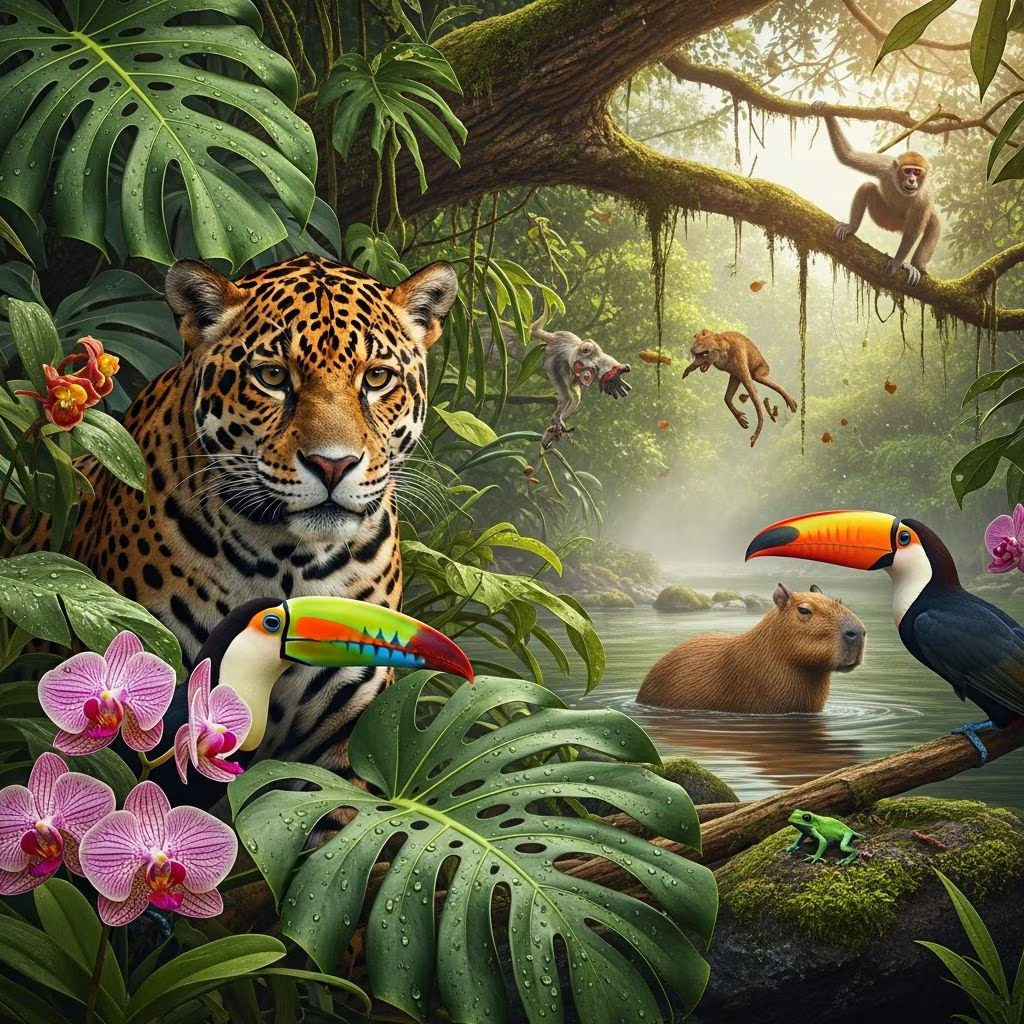
Visitors typically base themselves at eco-lodges in natural reserves covering thousands of hectares. Activities include jeep tours at dawn and dusk, canoe paddles through marshes, horseback rides with local llaneros (cowboys), and guided night hikes. Expect sightings of **capybaras** (the world’s largest rodents), **spectacled caimans**, **giant anteaters** shuffling through the grass, and even elusive **jaguars** if fortune favors you. Birdlife dazzles with scarlet ibises, jabirus, and flocks of waterfowl.
One standout reserve emphasizes bird conservation, hosting rare species like the Buff-breasted Sandpiper and Orinoco Goose, observable from comfortable finca hammocks. The Llanos’ accessibility makes it ideal for families or first-time safari-goers.
Colombia’s Pacific shoreline transforms into a whale watcher’s paradise from July to November, when humpback whales migrate from Antarctic waters to breed and calve. Destinations like **Nuqui** and **Utria National Natural Park** offer front-row seats to this spectacle.
Small boats venture into bays where these massive mammals breach, flipper-slap, and spy-hop curiously alongside vessels. Nuqui’s rivers, waterfalls, and beaches add layers to the adventure, with chances to witness sea turtle hatchlings scrambling to the surf. Utria, a protected enclave, allows shore-based viewing of playful calves and provides hiking trails through pristine jungle.
| Destination | Peak Season | Key Sightings | Activities |
|---|---|---|---|
| Nuqui | July–November | Humpback whales, sea turtles | Boat tours, beach walks |
| Utria National Park | Year-round, peak July–Nov | Whales, dolphins, birds | Hikes, shore observation |
Combine whale watching with cultural immersion in Afro-Colombian communities, savoring fresh seafood amid lush scenery.
The **Colombian Amazon**, a labyrinth of rivers and canopy towers, harbors pink river dolphins, sloths, and anaconda-filled waterways. Guided treks from Leticia reveal the forest’s pulse: calls of howler monkeys, flashes of poison-dart frogs, and night-prowling insects.
Daytime walks uncover amphibians like the green-arrow frog and mammals such as coatimundis. Night excursions spotlight nocturnal life, including tarantula-hunting wasps. River boat trips yield sightings of the mythical pink river dolphin, a source of indigenous legends. Reserves emphasize sustainable tourism, supporting biodiversity in this hotspot.
The Amazon’s humidity and density demand preparation, but rewards include unparalleled immersion in one of Earth’s last frontiers.
**Gorgona Natural National Park** and **Malpelo Flora and Fauna Sanctuary**, Pacific islands, boast endemic species amid volcanic landscapes. Gorgona, once a penal colony, now protects howler monkeys, poison-dart frogs, and whale sharks. Divers and snorkelers encounter hammerheads and rays, while land trails reveal bird colonies.
Malpelo, a UNESCO site, is a pelagic haven for shark enthusiasts, with walls teeming in silky sharks and dolphins. Access requires liveaboard dives due to its remoteness. These islands exemplify isolated evolution, offering sightings impossible on the mainland.
Colombia’s Andes and Sierra Nevada de Santa Marta host endemic birds like the olinguito (a newly discovered raccoon relative) and titi monkeys. Cloud forests in Chocó yield harpy eagles, poison-dart frogs, and rare vireos. The coffee region’s Camino Nacional draws birders for high-elevation species.
Sierra Nevada tours blend birding with cultural hikes, targeting the world’s most biodiverse mountain range.
To maximize encounters:
Platforms like Viator list vetted tours, from Llanos UTV safaris to cloud forest treks. Budget for eco-lodges (USD 100–300/night) including meals and activities.
Dry season in Llanos (Dec–Apr); whale migration (Jul–Nov) on Pacific coast.
Yes, with reputable operators; regions like Llanos and Nuqui are tourist-friendly.
Absolutely; many offer adaptable, low-exertion options like boat rides.
Jaguars, pink dolphins, olinguito, Buff-breasted Sandpiper.
Prioritize certified eco-tourism providers supporting conservation.
