


 Food & Culture
Food & Culture
Best Wine Bars in the World: Top Global Wine Destinations
Explore the world's finest wine establishments from Europe to the Americas, featuring expert sommeliers, extensive collections, and memorable atmospheres.
 Food & Culture
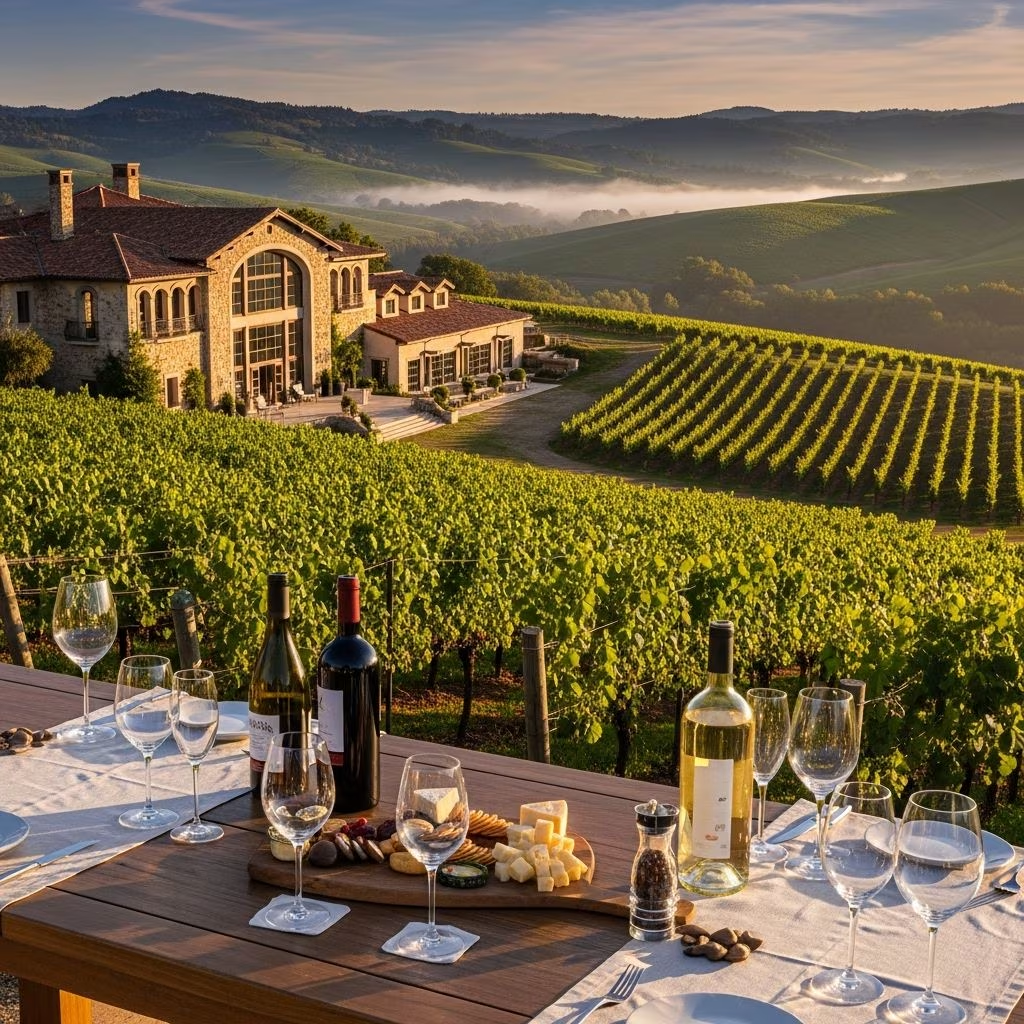
Wine enthusiasts traveling internationally often seek out specialized establishments that offer more than just beverages—they desire immersive experiences, knowledgeable guidance, and carefully assembled collections that reflect both tradition and innovation. Around the globe, a select group of wine bars and tasting rooms have earned recognition for their commitment to excellence, offering visitors the opportunity to explore exceptional vintages within curated environments. These venues represent the pinnacle of wine culture, where passion for viticulture meets hospitality and community engagement.
Understanding the Modern Wine Bar Landscape
The contemporary wine bar differs significantly from traditional wine shops or casual taverns. Modern establishments combine elements of retail, gastronomy, and education, creating spaces where patrons can taste diverse selections, learn about winemaking regions, and connect with fellow enthusiasts. Advanced Sommeliers and Master Sommeliers increasingly curate these venues, bringing professional expertise and structured wine programs that elevate the drinking experience. These establishments typically feature extensive glass-by-bottle selections, allowing guests to sample premium offerings without committing to full bottle purchases. The architecture and interior design of these venues often reflects the wine regions they celebrate, creating thematic environments that enhance the sensory experience.
European Excellence in Wine Hospitality
Italian Countryside Charm and Urban Sophistication
Italy maintains a particularly strong wine bar culture, reflecting centuries of viticultural tradition. In the historic Umbrian town of Spello, wine establishments combine architectural heritage with contemporary aesthetics. These venues typically showcase regional Italian selections alongside imported French varietals, with collections often exceeding 300 distinct bottles. The proprietors—many of whom are expatriate entrepreneurs—bring international perspectives to traditional Italian wine service. Monthly themed tastings featuring different Italian regions have become standard programming, allowing repeat visitors to systematically explore the country’s diverse wine landscape. Ground-floor wine bars in Venice near historic landmarks like the Rialto Bridge offer similarly compelling experiences, combining water views with meticulously selected by-the-glass offerings and complementary small plates featuring traditional crostini and artisanal charcuterie.
French Burgundy and Parisian Wine Culture
France continues to establish benchmarks for wine bar excellence, particularly in regions where viticulture forms the economic and cultural foundation. Burgundy’s legendary wine bars maintain strict standards for wine selection, focusing exclusively on bottles from prestigious producers and emerging winemakers. Parisian establishments have evolved considerably, moving beyond the traditional bistro model to incorporate modern design elements and professional sommelier service. These venues frequently organize wine education programs, invite visiting winemakers for tastings, and maintain extensive databases documenting their collections. The Michelin-starred dining establishments of Paris increasingly feature dedicated wine bar sections, where guests can enjoy casual tastings without the formality of full restaurant service.
Central European Wine Discovery
Vienna and Prague have emerged as unexpected wine tourism destinations, with establishments celebrating both local Central European production and global selections. These venues appeal to travelers seeking wine experiences outside traditional regions, offering opportunities to taste Rieslings, Grüners, and other distinctive varietals often overlooked in mainstream wine culture. The wine bars in these cities typically feature 18th-century architectural elements—exposed beams, historic stonework, period furnishings—creating atmospheric settings that contextualize wine within European cultural heritage.
North American Innovation and Accessibility
Pioneering Glass-Service Models
The United States has pioneered innovative approaches to wine service, with establishments expanding the traditional by-the-glass concept. Flagship venues now feature technology allowing guests to purchase wines in any quantity—by the ounce, glass, or bottle—enabling comprehensive tasting experiences without waste or financial barrier. This flexibility appeals to both casual drinkers and serious collectors, democratizing access to premium selections. Establishments in major metropolitan areas like New York, Los Angeles, and Miami have attracted Master Sommeliers and Advanced Sommeliers who structure educational programming alongside casual service.
Destination Wine Venues
Unexpected locations have become wine tourism destinations. Orlando, Florida’s flagship wine bar within a major resort attracts international travelers seeking professional service and extensive selections in a hospitality-focused environment. Houston’s steakhouse establishments have integrated comprehensive wine programs, while California’s coastal regions continue to develop wine bars emphasizing local production. These venues typically feature over 200 wines available by the glass, with trained staff capable of pairing selections with food offerings or recommending bottles based on individual preferences.
Sommeliers as Experience Architects
Leading North American venues employ Advanced and Master Sommeliers who function as experience architects rather than merely service staff. These professionals design wine programs balancing well-known producers with emerging winemakers, ensure appropriate temperature and service protocols, and facilitate education for interested guests. Venues led by such professionals typically feature wine clubs, structured tasting flights, and monthly educational programs that build community among regular patrons.
Southern Hemisphere and Emerging Markets
Cape Town’s Wine Tourism Growth
South African wine establishments have gained international prominence, with Cape Town particularly recognized for both local production and global selections. These venues celebrate South African Cabernet Sauvignons and Shiraz varietals while maintaining well-developed international wine lists. The combination of local viticulture excellence with cosmopolitan service standards has positioned Cape Town as a significant wine tourism destination for travelers exploring Southern Hemisphere wine regions.
Pacific Regional Development
New Zealand and Australia have developed sophisticated wine bar cultures. Marlborough establishments emphasize local Sauvignon Blancs and Pinot Noirs, creating experiences that educate visitors about regional terroir. Sydney’s steakhouse establishments feature extensive by-the-glass selections emphasizing premium Australian wines served in art-deco settings, attracting both local enthusiasts and international visitors. These venues balance celebration of local production with global selections, positioning themselves as gateways to understanding Pacific wine regions.
Service Standards and Professional Certifications
| Certification Level | Typical Knowledge Base | Service Responsibilities |
|---|---|---|
| Advanced Sommelier | Comprehensive knowledge of major wine regions and production methods; ability to pair wines with food; understanding of wine business operations | Curating wine lists, training staff, designing wine programs, conducting tastings |
| Master Sommelier | Expert-level knowledge spanning all wine regions; exceptional tasting ability; business and management expertise | Overseeing venue operations, designing premium programs, mentoring other sommeliers |
| Wine Enthusiast Staff | Training through venue-specific programs; knowledge of featured selections | Serving wines, basic recommendations, supporting educational events |
The Role of Curated Selections and Education
Distinguishing characteristics of premier wine bars include thoughtfully assembled collections rather than attempting comprehensive coverage. Leading establishments typically feature 300-600 bottles, carefully selected to represent specific regions, producers, or styles rather than attempting to stock every available wine. This curatorial approach reflects professional judgment about quality, value, and guest preferences. Many venues publish detailed wine lists describing production methods, terroir characteristics, and pairing recommendations, transforming wine selection from transaction into education.
Structured programming has become standard at distinguished venues. Monthly tastings, producer dinners, and educational seminars build community while introducing patrons to wines outside their typical preferences. Venues maintaining wine clubs often offer members exclusive access to limited bottles, discounted tastings, and invitations to special events. These programs serve dual purposes—generating revenue and creating environments where casual drinkers transition into enthusiasts capable of sophisticated wine discussions.
Architectural and Atmospheric Considerations
The physical environment significantly influences wine tasting experiences. Venues housed in historic buildings—converted bakeries, 18th-century bank vaults, centuries-old structures—provide contextual richness enhancing wine appreciation. Contemporary design approaches often emphasize intimate seating arrangements, temperature control for wine preservation, and lighting designed to showcase wine color and clarity. Many establishments feature open kitchens or visible wine storage, allowing guests to observe operations and understand the care invested in maintaining optimal conditions.
The choice between formal and casual atmospheres reflects different business philosophies. Some venues emphasize refined elegance with formal service protocols, while others prioritize accessibility through relaxed settings and approachable staff. Successful establishments typically match their physical environment with their service philosophy—formal venues employ extensively trained staff and charge premium prices, while casual establishments emphasize conversation and discovery.
Frequently Asked Questions About Wine Destinations
What distinguishes a premier wine bar from a standard establishment?
Premier venues combine professional sommelier guidance, thoughtfully curated selections, by-the-glass service options enabling comprehensive tasting, structured educational programming, and hospitality-focused service. Many maintain formal certifications for staff and publish detailed wine information accessible to guests.
Should I expect expensive wines at all premium wine bars?
No. Leading venues typically offer diverse price ranges within their selections, allowing guests to explore affordable everyday wines alongside premium bottles. By-the-glass service particularly enables budget-conscious exploration of expensive wines without full-bottle commitments.
How can I prepare for visiting renowned wine bars?
Research the venue’s specialization—whether focusing on specific regions or production styles. Review published wine lists beforehand. Communicate any preferences or restrictions to staff upon arrival. Approaching service with openness to recommendations from trained professionals enhances the experience.
Are wine bars primarily for experienced enthusiasts?
Leading venues actively welcome all interest levels. Staff at distinguished establishments excel at calibrating recommendations to individual knowledge and preferences. Many venues offer structured tastings specifically designed for newcomers interested in systematic wine education.
What food offerings typically accompany wine service?
Offerings range from minimal—simple crostini or artisanal charcuterie—to comprehensive cuisine. Venues may feature small plates designed specifically for wine pairing, full restaurant service, or partnerships with nearby restaurants. Many establishments prioritize food selections complementing their wine philosophy rather than attempting comprehensive culinary programs.
Global Trends in Wine Service and Experience Design
Contemporary wine venues increasingly embrace technology while maintaining focus on human expertise. Digital systems track inventory, manage wine club memberships, and provide educational content through applications and websites. Simultaneously, venues recognize that technology cannot replicate the judgment, intuition, and genuine hospitality that professional sommeliers provide. The most successful establishments balance innovation with tradition, using technology to support rather than replace human expertise.
Sustainability has become central to progressive wine bar philosophy. Establishments increasingly emphasize biodynamic and organic wines, small-production offerings from independent producers, and waste reduction through thoughtful portion control and recycling programs. These commitments reflect broader industry recognition that wine culture must evolve to address environmental concerns while supporting winemakers practicing sustainable viticulture.
Diversity in wine representation has expanded significantly. Contemporary wine bars deliberately feature selections from underrepresented regions and producers, moving beyond traditional Eurocentric wine culture. Venues now regularly stock wines from emerging regions, emphasizing winemakers of color, and women-owned producers. This evolution reflects both market demand and philosophical commitments to inclusivity within wine communities.
Planning Your Wine Bar Experiences
International travelers interested in wine bar exploration should research venues within their destinations, utilizing both professional rankings and community recommendations. Many venues maintain websites detailing their selections, programs, and service philosophies. Social media platforms provide recent patron experiences and photographs documenting atmospheres and offerings.
Advance reservations improve experiences at popular establishments, particularly for venues featuring limited seating or structured tasting events. Communicating preferences beforehand—budget range, flavor preferences, interest in specific regions—enables staff to prepare optimal recommendations upon arrival. Arriving with curiosity rather than rigid expectations allows venues to showcase their expertise and potentially introduce wines exceeding preconceived preferences.
Wine bar tourism has become increasingly sophisticated, with travel agencies now specializing in itineraries centered on regional wine exploration. Multi-day programs combining wine bar visits, vineyard tours, and wine-focused cuisine create comprehensive educational experiences. For independent travelers, consulting wine publications and professional sommelier recommendations helps identify lesser-known establishments offering authentic local wine culture beyond mainstream tourism.
References
- Best Wine Bar List — The World of Fine Wine Awards. 2024. https://awards-wbwla.worldoffinewine.com/blog/award-category/best-wine-bar-list/
- The World’s Best Wine Lists — StarWineList. 2024. https://starwinelist.com/wine-story/the-world-s-best-wine-lists-here-are-the-international-gold-star-winners
- 35 ‘Three Glass’ Venues to Drink Wine By-the-Glass Worldwide — Coravin Wine Guide. 2024. https://guide.coravin.com/blogs/wine-destinations/three-glass-rated-wine-venues-worldwide
- The Best Wine Bars in the World (2026) — The Wine Scribes. 2026. https://thewinescribes.com/best-wine-bars-in-the-world/
- The Best Wine Bars — Falstaff International. 2024. https://www.falstaff.com/en/winebars
On This Page
Understanding the Modern Wine Bar Landscape European Excellence in Wine Hospitality North American Innovation and Accessibility Southern Hemisphere and Emerging Markets Service Standards and Professional Certifications The Role of Curated Selections and Education Architectural and Atmospheric Considerations Frequently Asked Questions About Wine Destinations Global Trends in Wine Service and Experience Design Planning Your Wine Bar Experiences← Previous
15 Most Amazing Temples in the World to Visit
Next →
Malaysia Travel Guide: Entry, Culture, Transport & Tips
Related Reading
More in Food & Culture
Food & Culture Food & Culture
 Food & Culture
Best Places to Eat in Rome: Neighborhood Dining Guide
 Food & Culture
 Food & Culture