
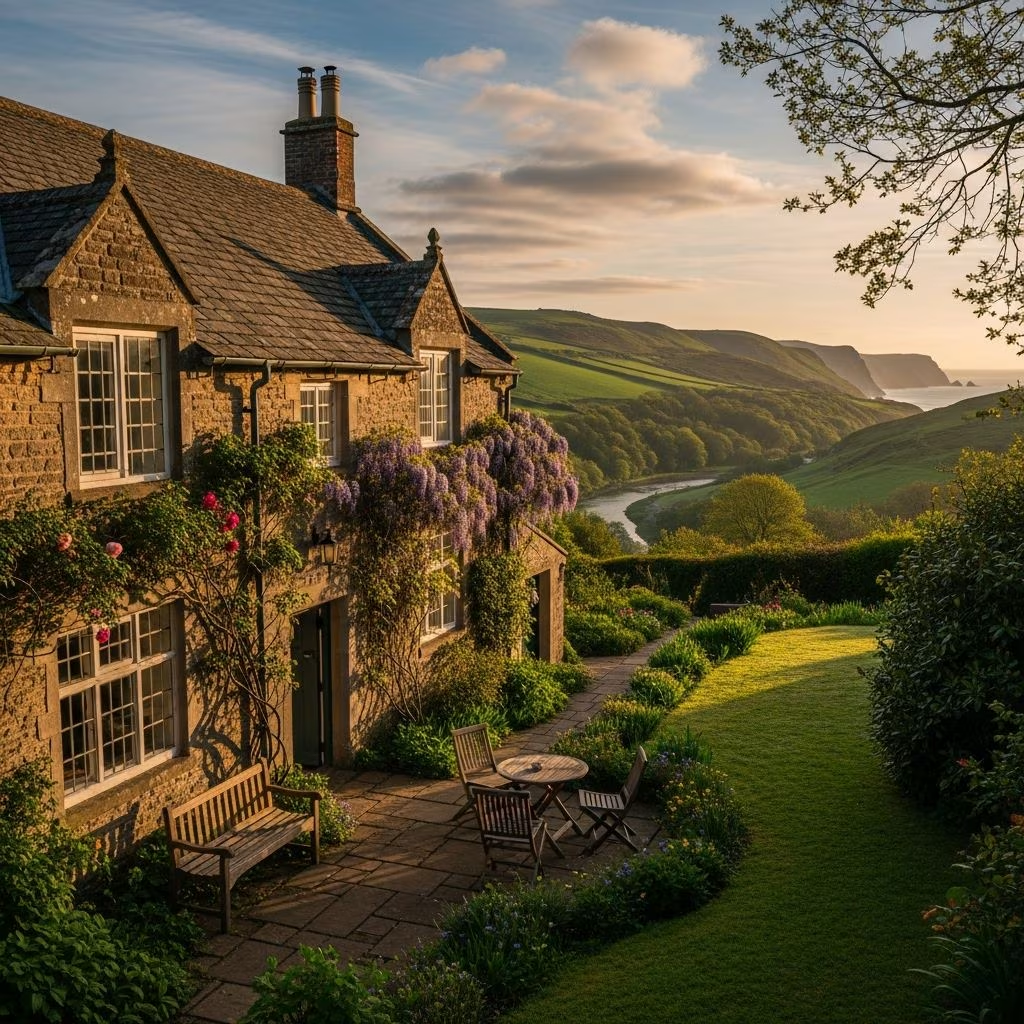
 Stays
StaysStays
Best Wine Hotels in Portugal: Douro & Alentejo Stays
Explore Portugal's finest wine hotels nestled in Douro Valley and Alentejo, offering immersive wine experiences, luxury accommodations, and authentic vineyard hospitality.
 Stays
StaysPortugal has established itself as one of Europe’s most compelling wine tourism destinations, attracting discerning travelers who seek authentic experiences within working vineyard environments. The country’s wine hotels represent a unique intersection of hospitality, viticulture, and cultural immersion, offering guests the opportunity to engage directly with the winemaking process while enjoying world-class accommodations and services. These establishments range from intimate family-run estates to sophisticated luxury properties, each providing distinct perspectives on Portuguese wine heritage and contemporary winemaking practices.
The Evolution of Wine Hotel Hospitality in Portugal
Wine hotels in Portugal have undergone significant transformation over the past two decades, evolving from basic accommodations attached to working wineries into comprehensive hospitality destinations. Many properties now integrate farm-to-table dining, spa facilities, wine museums, and educational programming alongside traditional vineyard operations. This expansion reflects both increased international demand for experiential travel and the recognition among Portuguese vintners that hospitality represents a valuable complement to wine sales.
The concept of staying within a functioning vineyard differs fundamentally from conventional hotel tourism. Guests experience the rhythms of agricultural life, encounter seasonal variations in vineyard management, and develop nuanced understandings of how environmental conditions influence wine quality. This immersive approach has proven particularly appealing to travelers seeking alternatives to standardized resort experiences.
Geographic Distribution and Regional Characteristics
Portugal’s primary wine hotel concentrations exist within two distinct regions, each offering characteristic experiences shaped by local terroir and winemaking traditions.
Douro Valley Wine Properties
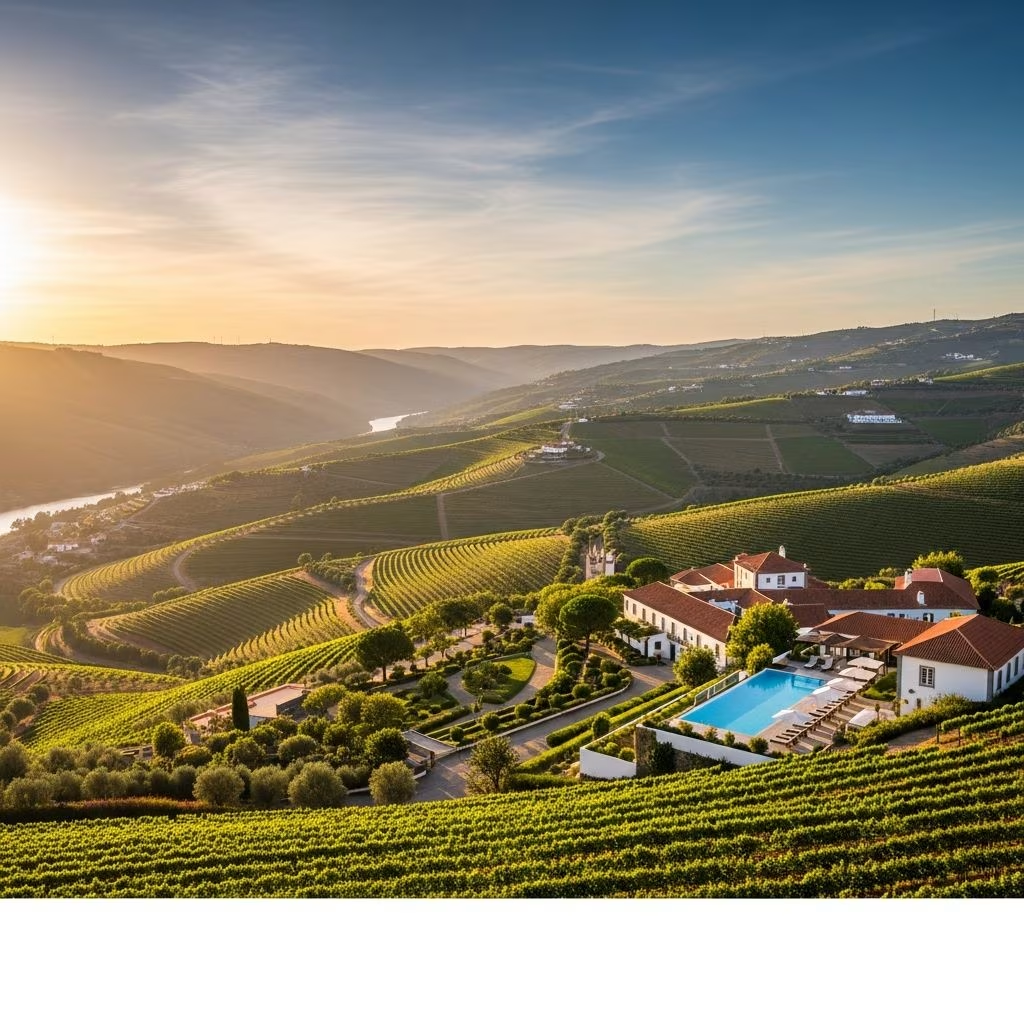
The Douro Valley, recognized internationally for Port wine production and increasingly celebrated for dry wines, features terraced vineyards dramatically carved into steep hillsides along the Douro River. Hotels in this region capitalize on spectacular landscape views, incorporating panoramic vistas into architectural design and guest experience programming. Properties typically feature modern or contemporary design elements that contrast with rustic surroundings, creating sophisticated environments that acknowledge both traditional winemaking heritage and contemporary comfort expectations.
Douro Valley accommodations frequently emphasize visual drama, with guest rooms positioned to maximize views across tiered vineyards and river valleys. Many properties include outdoor pools, wine bars, and terraced dining areas that extend the visual experience throughout the day. Complimentary winery tours and tastings provide structured opportunities for guests to understand the region’s distinctive wine production methods.
Alentejo Region Properties
The Alentejo region, characterized by expansive landscapes and Mediterranean climate influences, offers a contrasting aesthetic and hospitality model. Properties here frequently emphasize rustic authenticity, incorporating traditional architectural elements that reflect the region’s historical identity as agricultural heartland. The word “Herdade,” designating family-operated farm estates, captures the essence of Alentejo hospitality—relaxed, generational, and deeply connected to land stewardship.
Alentejo wine hotels typically develop gradually over time, with family owners incrementally expanding accommodation capacity while maintaining operational focus on wine and agricultural production. This organic growth pattern distinguishes these properties from purpose-built resort developments, creating properties with distinctive character shaped by individual family vision and regional context.
Signature Amenities and Guest Experience Programming
Contemporary Portuguese wine hotels have standardized certain amenities while developing differentiated programming reflecting individual property philosophies and capabilities.
Core Offerings
- Wine education programs: Structured tastings, vineyard tours, and winemaker interactions providing educational content ranging from introductory to advanced
- Farm-to-table dining: Restaurant operations featuring products cultivated on estate grounds, including vegetables, herbs, olive oils, and wine selections
- Spa and wellness facilities: Therapeutic services frequently incorporating local ingredients and techniques aligned with property philosophy
- Accommodation variety: Room categories ranging from standard vineyard-view options to luxury suites with private terraces and enhanced amenities
- Recreational infrastructure: Pools, wine bars, and landscaped grounds designed for relaxation and social gathering
Distinctive Property Features
Premium properties distinguish themselves through specialized offerings. Some estates maintain wine museums documenting production history and regional wine evolution. Others operate olive oil presses, lavender cultivation areas, and herb gardens that supply kitchen operations while providing visual and educational interest for guests. Secluded garden spaces, chapels, and orchards create multiple environment options for guests seeking different atmospheric experiences during their stay.
Accommodation Styles and Guest Selection Criteria
Wine hotels serve diverse traveler demographics, with individual properties positioning themselves strategically within this market spectrum.
| Traveler Profile | Ideal Property Type | Key Characteristics |
|---|---|---|
| Luxury-focused travelers | Six Senses properties and premium estates | High-end design, comprehensive amenities, sophisticated wine programming |
| Families with children | Properties emphasizing outdoor space and activities | Child-appropriate dining, recreational facilities, diverse programming options |
| Couples seeking romantic experiences | Smaller estates with intimate design | Private outdoor spaces, spa services, vineyard views from accommodations |
| Group travelers | Larger country estates | Multiple accommodation types, conference facilities, flexible programming |
| Wine enthusiasts | Working wineries with production focus | Advanced tasting programs, winemaker access, production area tours |
Selection Considerations for Prospective Guests
Travelers evaluating Portuguese wine hotels should consider multiple factors extending beyond accommodation quality and wine programming. Regional preference significantly impacts overall experience, with Douro Valley properties offering dramatic visual experiences and established wine tourism infrastructure, while Alentejo options provide more intimate, family-oriented hospitality models.
Seasonal considerations affect both availability and experience quality. Peak seasons attract international tourists, potentially diminishing the sense of exclusive access to agricultural operations. Shoulder seasons provide better opportunities for personalized attention and observation of specific vineyard management activities.
Proximity to regional attractions influences value considerations. Properties within accessible distances of charming towns facilitate cultural exploration and dining opportunities beyond estate operations. Conversely, remote locations emphasize tranquility and focus on on-site experiences.
Wine Tourism Integration and Educational Value
Beyond providing accommodation within vineyard settings, premier Portuguese wine hotels function as educational institutions, systematically developing guest knowledge about viticulture, winemaking, and regional wine characteristics. Structured programming typically progresses from fundamental introductions through increasingly sophisticated content for repeat visitors or wine-experienced guests.
Winemaker interactions represent particularly valuable programming elements, offering guests opportunities to engage directly with professionals responsible for production decisions. These conversations illuminate how technical knowledge, environmental observation, and artistic sensibility combine within winemaking practice. Many properties facilitate such interactions informally during tastings or formally through scheduled presentations.
Vineyard tours conducted during different seasonal periods reveal how agricultural work evolves throughout the annual cycle. Spring observations of bud break differ fundamentally from summer canopy management discussions or autumn harvest preparations. This temporal dimension enhances understanding of wine production complexity.
Culinary Experiences and Local Ingredient Integration
Wine hotel restaurants distinguish themselves through deliberate ingredient sourcing emphasizing estate-produced items and regional specialties. Many properties cultivate extensive herb and vegetable gardens, olive groves, and orchards that supply kitchen operations directly. This vertical integration approach ensures ingredient freshness while demonstrating commitment to local food systems and sustainability principles.
Wine pairing programming extends beyond traditional wine-and-food matching to encompass educational exploration of how specific wines interact with particular flavor profiles and preparation techniques. Some properties conduct tasting menus where multiple wines from the estate appear across different courses, allowing guests to observe how the same wine performs across varied culinary contexts.
Frequently Asked Questions
What is the typical length of stay at Portuguese wine hotels?
While guests may stay for single nights, two to four-night stays represent the typical duration, allowing sufficient time for comprehensive wine education programming and property exploration without requiring extended vacation commitments.
Do wine hotels require wine expertise for enjoyable stays?
No. Quality properties design programming to accommodate guests with varying wine knowledge levels, from complete beginners to experienced enthusiasts. Educational content progresses from foundational information through advanced topics.
Are wine hotels suitable for non-wine-focused travelers?
Yes. Spa services, outdoor recreation, culinary experiences, and cultural programming appeal to travelers prioritizing relaxation and regional exploration equally with wine activities. Many properties offer flexible programming allowing guests to customize their experience emphasis.
What is the typical price range for wine hotel stays?
Pricing varies substantially based on property positioning, region, and season. Budget-conscious travelers find options starting around €80-120 per night, while luxury properties command €300+ nightly rates, with most mid-range properties positioned between €150-250.
When is the optimal time to visit Portuguese wine hotels?
Shoulder seasons (April-May and September-October) offer ideal combinations of pleasant weather, moderate crowds, and observable vineyard activity. Summer provides warmth and festival programming but attracts peak tourist volume.
Sustainability Practices and Environmental Stewardship
Progressive Portuguese wine hotels increasingly emphasize environmental responsibility through sustainable viticulture practices, renewable energy implementation, and waste reduction initiatives. Many properties maintain organic or biodynamic vineyard certification, minimizing synthetic chemical applications and promoting soil health through natural methods.
Water conservation represents another priority, particularly important in Mediterranean and continental climate regions where summer precipitation becomes limited. Efficient irrigation systems, wastewater recycling, and drought-resistant planting selections reflect broader environmental consciousness integrated into property operations.
Planning Your Wine Hotel Visit
Successful wine hotel experiences require intentional planning aligned with personal preferences and travel objectives. Researching property specializations, programming offerings, and regional characteristics enables informed selection matching individual priorities. Direct communication with properties before booking clarifies specific programming availability, dietary accommodations, and custom experience possibilities.
Visitors should arrive with realistic expectations regarding authenticity. Working wineries involve noise, dust, and agricultural operations visible to guests. Properties prioritizing this authenticity deliberately maintain visible connection to production activities. Alternatively, properties emphasizing refined luxury may obscure production elements behind designed environments.
Building buffer time into itineraries accommodates wine-focused activities without excessive scheduling pressure. Wine education benefits from relaxed pacing allowing information absorption and reflection. Rushed itineraries compromise the experiential quality central to wine hotel value propositions.
References
- THE 10 BEST Vineyard Hotels in Portugal 2026 (with Prices) — TripAdvisor. 2026. https://www.tripadvisor.com/HotelsList-Portugal-Vineyard-Hotels-zfp7738606.html
- A luxury stay in one of Portugal’s top wine hotels — Wine Keller. https://www.winekeller.com/blog/stay-at-malhadinha-nova-alentejo
- 7 stylish places to stay in Portugal’s Douro Valley — These Four Walls Blog. https://thesefourwallsblog.com/7-stylish-places-to-stay-portugal-douro-valley/
- Sleep Among the Vines: 7 Stunning Wine Hotels in Portugal — Your Time to Fly. https://yourtimetofly.com/6-must-stay-at-wine-hotels-in-portugal/
- Wine Hotels – Wine Tourism in Portugal — Wine Tourism Portugal. https://www.winetourismportugal.com/en/hotels/wine-hotels
On This Page
The Evolution of Wine Hotel Hospitality in Portugal Geographic Distribution and Regional Characteristics Signature Amenities and Guest Experience Programming Accommodation Styles and Guest Selection Criteria Selection Considerations for Prospective Guests Wine Tourism Integration and Educational Value Culinary Experiences and Local Ingredient Integration Frequently Asked Questions Sustainability Practices and Environmental Stewardship Planning Your Wine Hotel Visit← Previous
Best Hotels in New Delhi: Luxury, Location & Comfort
Next →
Best Restaurants in Porto: From Street Food to Michelin Dining
Related Reading