


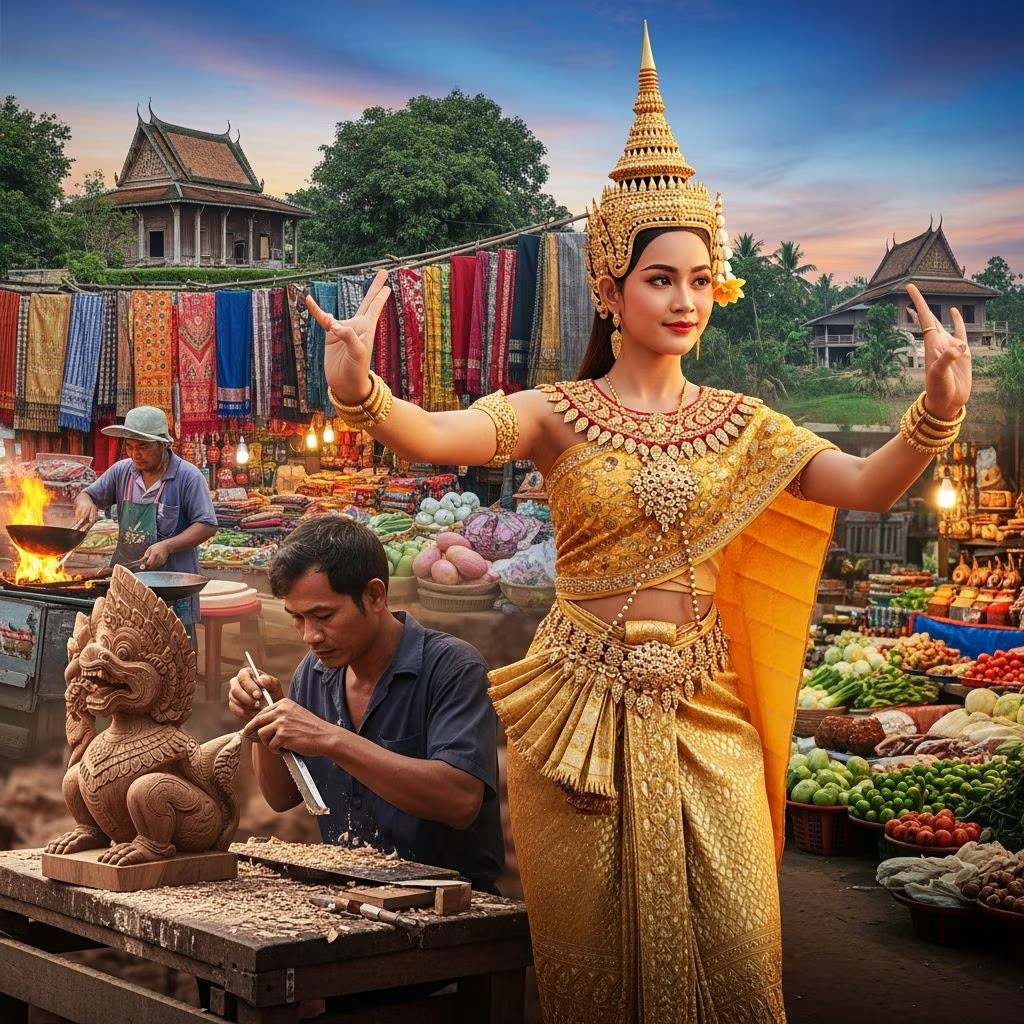
While Siem Reap is globally recognized for its archaeological significance and the magnificence of Angkor Wat, the city has evolved into a multifaceted destination that caters to diverse interests and travel styles. Visitors who dedicate their entire journey exclusively to temple exploration often miss the dynamic cultural landscape that makes Siem Reap a truly compelling place to visit. The city pulses with contemporary creativity, culinary innovation, and authentic local experiences that complement—and sometimes even surpass—the allure of historical monuments.
Understanding that temple fatigue is a genuine phenomenon affecting many travelers, savvy visitors increasingly balance their itineraries with alternative activities that showcase the city’s vibrant present alongside its impressive past. This approach not only enriches the travel experience but also provides meaningful connections with local communities and contemporary Cambodian culture.
The Living Museum: Understanding Angkor’s Modern Context
Before venturing into the city’s contemporary offerings, contextualizing the temples within Cambodia’s broader narrative enhances appreciation for both historical and modern aspects of Siem Reap. The Angkor Archaeological Park represents the largest religious site globally, encompassing over 72 major temples that chronicle centuries of Khmer civilization. However, understanding these monuments through curated museum experiences provides essential perspective.
The Angkor National Museum serves as an invaluable intermediary between temple visits and deeper cultural comprehension. This institution features eight galleries showcasing an extensive collection of Cambodian and Khmer artifacts that illuminate the religious beliefs, artistic sophistication, and daily realities of ancient civilizations. The museum’s collection includes an impressive 1,000 Buddha images crafted from diverse materials including wood, metal, and gold, each piece narrating specific historical periods and artistic traditions. Visitors typically require approximately two hours to adequately explore the galleries, which progress chronologically through Khmer history from its foundational periods through its zenith. Admission costs $12 per person, with optional audio guides available for an additional $5.
This museum experience transforms abstract temple ruins into comprehensible narratives, allowing visitors to understand architectural choices, religious symbolism, and cultural evolution that shaped the region.
Artistic Expression and Contemporary Performance
Siem Reap’s arts scene reflects Cambodia’s resilience and creative renaissance. Beyond traditional performances occasionally encountered at tourist venues, the city hosts genuine artistic communities and performance spaces that offer authentic cultural engagement.
Performance arts venues throughout the city present contemporary circus acts, traditional dance reinterpretations, and innovative theatrical productions. These spaces provide opportunities to witness skilled performers and support local artistic development. Many venues integrate traditional Apsara dance—a classical form deeply rooted in Khmer heritage—with modern production values and storytelling approaches, creating productions that honor tradition while speaking to contemporary audiences.
For visitors interested in supporting arts education, several nonprofits operate training programs in performance disciplines. These organizations serve local youth while occasionally offering public performances or workshops, enabling tourists to contribute meaningfully to community development while experiencing authentic artistic expression.
Nocturnal Commerce and Local Enterprise
Siem Reap’s night markets represent quintessential expressions of local commerce, entrepreneurship, and social activity. Unlike mass tourism infrastructure, these markets embody genuine community spaces where residents shop, socialize, and celebrate their culture.
The Angkor Night Market functions as a bustling commercial hub featuring local artisans and merchants selling handcrafted goods, decorative items, and souvenirs. Shoppers discover intricate stone carvings, silverware creations, silk paintings, and resourcefully designed recycled handbags. The market atmosphere combines commerce with entertainment, as live musical performances accompany the shopping experience while local food vendors offer traditional delicacies. This integration of commerce, entertainment, and culinary offerings creates a multisensory experience reflecting how locals genuinely spend leisure time.
The Siem Reap Art Center Market, positioned along the east bank of the Siem Reap River, elevates night market experiences by incorporating cultural performances into the shopping environment. Visitors browse local artifacts and handicrafts while enjoying complimentary nightly Apsara dance performances, merging commercial activity with cultural education. Operating from 4 PM to 11 PM daily, this venue attracts both tourists and locals, fostering genuine cultural exchange rather than purely transactional relationships.
These markets provide authentic opportunities to support local small businesses, acquire genuinely meaningful souvenirs directly from creators, and witness how contemporary Cambodians experience their own city.
Culinary Exploration and Contemporary Cuisine
Siem Reap’s restaurant landscape has undergone significant transformation, with a new generation of chefs revitalizing traditional family recipes and reimagining them for contemporary palates. This culinary renaissance represents broader cultural confidence and economic development affecting Cambodia.
Beyond street food experiences, the city now features establishments where trained chefs apply modern techniques to Khmer ingredients and flavor profiles. This movement differs fundamentally from tourism-oriented “fusion” cuisine, instead representing organic culinary evolution driven by Cambodian professionals reclaiming and reinterpreting their gastronomic heritage.
Engaging with this culinary scene requires intentionality. Rather than seeking international cuisine in tourist zones, visitors discover authentic contemporary Cambodian dining by exploring neighborhoods where locals eat, consulting community recommendations, and remaining open to unfamiliar flavor combinations. Such experiences provide genuine cultural immersion while supporting independent food entrepreneurs.
Hidden Temples: Expanding Beyond Main Complexes
While Angkor Wat dominates visitor itineraries, numerous lesser-known temples within the broader Angkor region offer compelling alternatives to crowded main circuits. These secondary temples frequently feature intricate carvings, architectural innovation, and peaceful environments free from substantial tourist presence.
Phnom Bok, positioned approximately 20-30 minutes north of the main Angkor complex, requires physical exertion—specifically 630 steps ascending to a 9th-10th century temple structure. This physical challenge effectively deters casual visitors, resulting in solitary or minimal-crowd experiences that contrast sharply with Angkor Wat’s bustling conditions. The elevated vantage point provides perspective on the broader landscape and ancient city planning.
Banteay Samre and Banteay Srei represent additional options positioned beyond primary circuits, offering stunning architectural details and serene environments conducive to contemplative exploration. These temples feature exceptional bas-relief carvings and demonstrate sophisticated engineering that rivaled or surpassed contemporary European construction.
Strategic combinations of hidden temples with main circuit visits prevent cumulative fatigue while providing more nuanced understanding of Khmer architectural development and regional significance.
Nature-Based Experiences and Environmental Connection
Siem Reap’s surrounding landscape offers opportunities for outdoor engagement beyond temple exploration. Sunrise hikes, guided nature walks, and ecological tours provide physical activity, environmental education, and connections to Cambodia’s natural heritage.
These experiences often incorporate community involvement, with local guides sharing knowledge about regional ecology, wildlife, and environmental conservation challenges. Such activities prove particularly valuable for visitors seeking balance between cultural tourism and physical engagement.
Comparing Activity Types and Planning Strategies
| Activity Category | Characteristics | Recommended Duration | Physical Demand |
|---|---|---|---|
| Temple Exploration | Archaeological sites, historical significance, guided tours | 3-5 days | Moderate to High |
| Museum Visits | Curated collections, cultural context, climate-controlled | 2-3 hours per venue | Low |
| Market Experiences | Local commerce, artisanal goods, authentic atmosphere | 2-4 hours | Low to Moderate |
| Culinary Activities | Restaurant dining, cooking classes, food tours | 2-3 hours per experience | Low |
| Performance Arts | Circus, traditional dance, theatrical productions | 1-2 hours | Low |
| Nature-Based Activities | Hiking, guided walks, ecological tours | 2-6 hours | Moderate to High |
Structuring a Balanced Itinerary
Effective trip planning integrates temple visits with supplementary activities, preventing monotony while maximizing cultural engagement. A typical approach allocates 2-3 days for temple exploration—allowing adequate time without inducing fatigue—while dedicating remaining days to alternative activities.
This strategy recognizes that exhaustion diminishes appreciation for subsequent experiences. By interspersing temple visits with market explorations, museum visits, performance attendance, and culinary experiences, travelers maintain engagement and enthusiasm throughout their stay.
Geographic proximity facilitates this integration. Many supplementary activities cluster within walking distance or brief tuk-tuk rides from temple areas, enabling logical daily planning that minimizes transportation inefficiencies.
Supporting Local Communities Through Tourism Choices
Intentional tourism decisions carry significant implications for local communities. Patronizing independently-operated restaurants, purchasing directly from artisans at markets, and attending performances by local artists channels income toward community members rather than international corporations.
Similarly, engaging local guides for temple tours or nature experiences ensures direct economic benefit to Cambodian professionals while supporting employment within the tourism sector. These choices require minimal additional effort while substantially improving outcomes for host communities.
Frequently Asked Questions
How many days should I spend in Siem Reap beyond temple visits?
Most visitors benefit from 4-6 total days in Siem Reap, allocating 2-3 days for temple exploration and 2-3 days for alternative activities. This balance prevents temple fatigue while allowing adequate engagement with markets, museums, performances, and culinary experiences.
Are night markets safe for tourists?
Siem Reap’s established night markets maintain active security and attract diverse crowds including local residents. Standard travel precautions regarding personal belongings apply, but these venues represent authentic community spaces generally welcoming to respectful visitors.
Can I visit hidden temples independently?
While possible, hiring local drivers familiar with temple locations proves more efficient. Drivers can navigate unpaved roads, arrange parking, and provide context about specific sites. Additional fees typically remain minimal and support local employment.
What is the best time to visit Siem Reap?
November through February offers optimal weather conditions—cooler temperatures and minimal rainfall. This period aligns with peak tourism, resulting in crowded temples but excellent overall conditions. Shoulder seasons (March-April, September-October) present fewer crowds with manageable weather variations.
Should I hire guides for market experiences?
Guides enhance understanding but aren’t necessary. Independent exploration allows flexibility and organic interactions. Consider guides if seeking specific artisan introductions or understanding market dynamics and negotiation customs.
References
- Angkor National Museum — Official Museum Website. Accessed 2026. https://www.angkornationalmuseum.com
- Beyond Angkor Wat: Alternative Things to Do in Siem Reap — Never Ending Voyage. https://www.neverendingvoyage.com/things-to-do-siem-reap/
- Siem Reap Beyond the Temples — The Rife Guide. https://therifeguide.com/siem-reap-beyond-the-temples/
- Exploring Hidden Temples beyond Angkor Wat — YouTube Travel Documentation. https://www.youtube.com/watch?v=ZoWxY9T3X_E
- Beyond Cambodia’s Temples: Siem Reap’s Hidden Gems — SandSpice Travel Guide. https://www.sandspice.com/siem-reap-alternative-experiences/
- Siem Reap Beyond the Temples: Travel Guide — Azure Road. https://www.azureroad.io/siem-reap-beyond-the-temples/

