

 Travel Essentials
 Travel Essentials

Comprehensive guide to visiting Bhutan: visas, best times, itineraries, transport, top attractions, and sustainable travel advice for first-timers.
 Travel Essentials
Bhutan, nestled in the eastern Himalayas, captivates with its pristine environment, profound spiritual heritage, and commitment to Gross National Happiness. This guide equips you with essential knowledge for a seamless trip, from entry protocols to immersive experiences.
Accessing Bhutan demands advance preparation due to its unique policies. All international visitors require a visa, processed exclusively through licensed tour operators or directly via official channels for certain categories. The standard fee stands at $40, with applications typically approved within 72 hours. Recent updates allow independent bookings for accommodations and guides in major areas like Paro and Thimphu, offering greater flexibility while mandating guides for most attractions beyond these hubs.
Entry points include Paro International Airport, the sole air gateway with flights from select Asian cities, and land borders from India at Phuentsholing, Gelephu, Samtse, and Samdrup Jongkhar. Road travel from India suits overland adventurers, but expect winding mountain routes. For treks, festivals, or remote areas, partnering with certified operators ensures compliance and enriches your journey.
Bhutan welcomes travelers year-round, but timing aligns with activities and weather. Spring (March-May) bursts with rhododendron blooms and clear skies ideal for hiking, while autumn (September-November) delivers crisp air, vibrant festivals, and panoramic views. Winter (December-February) suits cultural immersion with fewer crowds, clear photography conditions, and events like National Day, though nights chill at higher elevations.
Summer (June-August) brings lush greenery and monsoon rains, perfect for rafting but challenging for multi-day treks due to slippery paths. Festival enthusiasts should target tsechus in spring and fall, booking months ahead as venues fill quickly. Less-visited winter festivals offer intimate encounters with traditions.
Public transport is limited; private vehicles with drivers are the norm, included in tour packages. No self-drive rentals exist, ensuring safe navigation of the single national highway linking west to east via dramatic passes adorned with prayer flags. Opt for 4WD vehicles for rugged terrain, always accompanied by an English-speaking guide.
Domestic flights are scarce, so road travel dominates. Hotels and operators arrange transfers effortlessly. For eco-conscious moves, consider cycling tours in valleys, though roads demand caution due to sharp bends and elevations.
A standard 7-10 day trip focuses on western Bhutan, balancing culture, nature, and adventure. Here’s a curated sample:
Customize for interests: birders head to Gangtey in winter, trekkers to Druk Path or Snowman Trek.
Bhutan’s treasures blend spirituality and nature:
| Attraction | Location | Highlights |
|---|---|---|
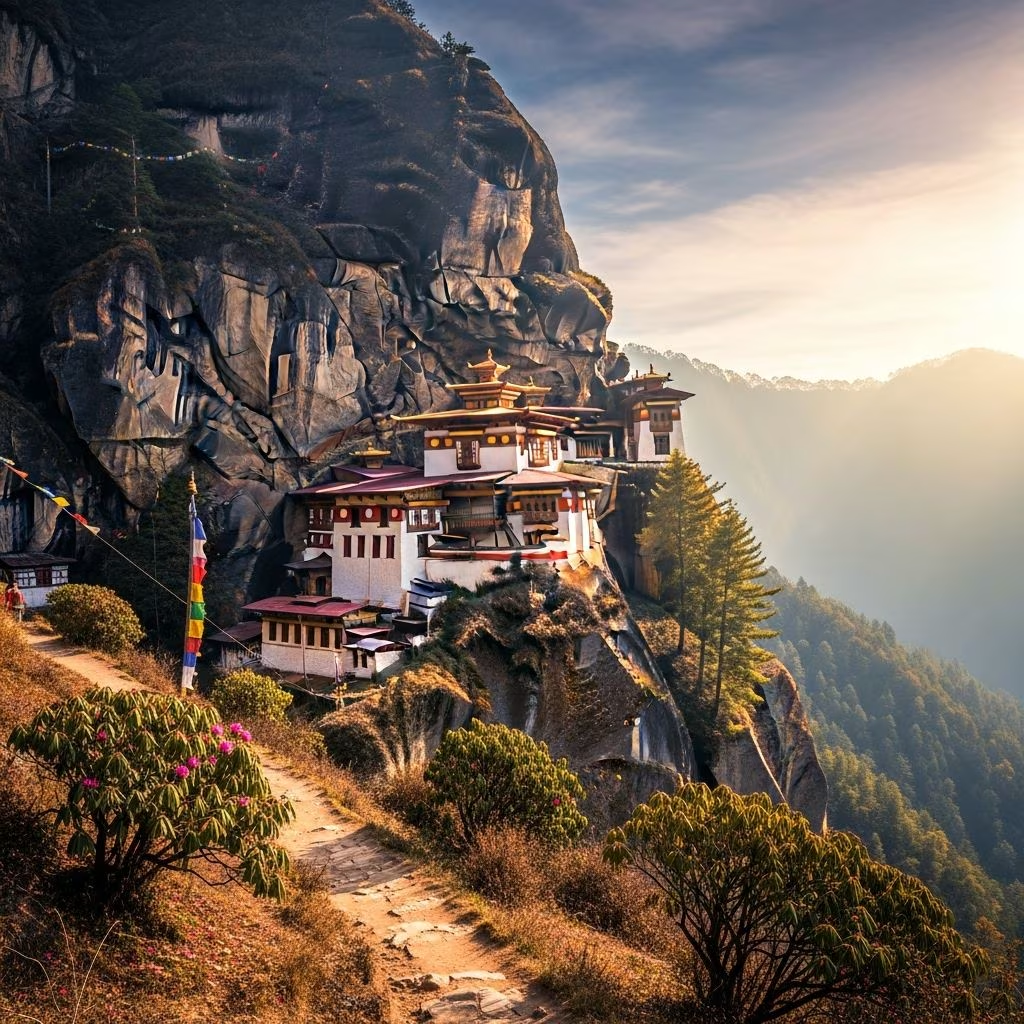
| Tiger’s Nest Monastery | Paro | Iconic cliffside hike (2-4 hours), sacred site with caves and views. |
| Punakha Dzong | Punakha Valley | Riverside fortress, wedding site of royalty, terraced fields. |
| Buddha Dordenma | Thimphu | 51m golden statue overlooking capital, serene trails. |
| Dochula Pass | En route Thimphu-Punakha | 108 stupas, Himalayan panoramas, prayer flags. |
| Gangtey Monastery | Phobjikha Valley | Black-necked cranes, farmhouse stays, valley hikes. |
Beyond sights, thrill-seekers enjoy rafting on Mo Chhu River, cycling valleys, or wildlife spotting.
Accommodations range from 5-star resorts like Six Senses to cozy homestays. Western hubs boast modern hotels with Himalayan views; rural valleys offer farmhouses for authentic meals. Book via operators or directly from certified lists on official sites. Sustainable lodges emphasize low-impact stays aligning with Bhutan’s ethos.
Respect customs: modest dress at dzongs, clockwise circumambulation of stupas, and receiving items with both hands. Festivals feature masked dances; attend one for vibrant rituals. Cuisine highlights ema datshi (chili cheese stew), momos, and red rice—spicy, organic, and hearty. Try suja (butter tea) and ara (local brew) mindfully.
Engage via homestays: learn weaving, archery (national sport), or cooking classes for deeper connections.
Altitude (up to 3,000m) requires acclimatization; consult doctors for high-elevation prep. No major health risks, but pack layers for variable weather. Bhutan is safe, with low crime; roads pose the main hazard—drive cautiously.
Prioritize sustainability: follow Leave No Trace, support community tourism, avoid single-use plastics. Bhutan’s carbon-negative status thrives on responsible visitors.
Yes, guides are mandatory for attractions; tours simplify logistics.
High-value tourism includes fees covering guide, transport, meals—varies by season and group size.
Premium destination, but value-packed with unique experiences.
Absolutely; kid-friendly hikes and cultural sites abound.
Tiger’s Nest or short Gangtey trails.
