

 Travel Essentials
 Travel Essentials

Essential information about passport requirements, visa processes, fees, and entry regulations for travelers planning a trip to Bhutan.
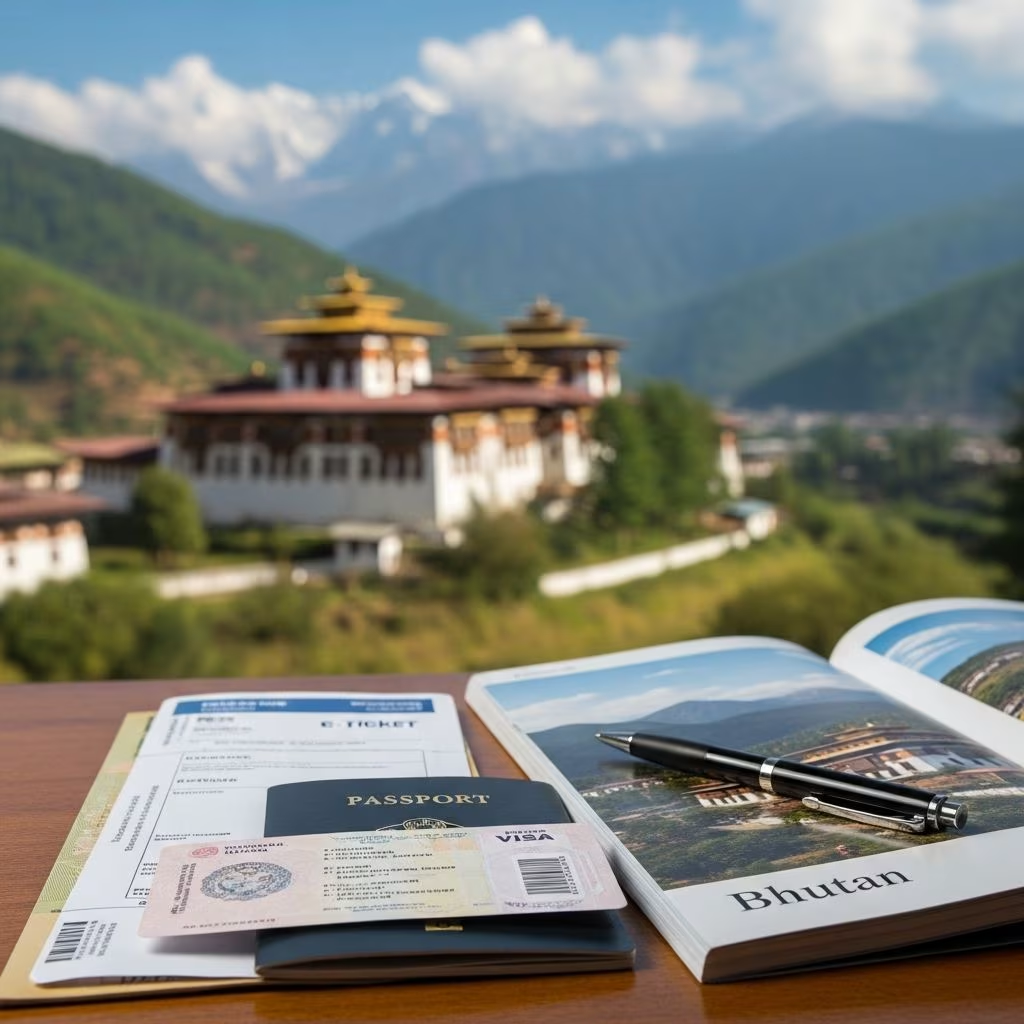 Travel Essentials
Planning a visit to the Kingdom of Bhutan requires understanding several important travel documentation requirements. Whether you’re an American citizen, European traveler, or coming from elsewhere around the world, navigating the entry process involves specific steps related to visa approval, passport validity, and mandatory fees. This comprehensive guide walks you through everything you need to know before booking your tickets and preparing for departure.
The foundation of any international travel begins with your passport. For Bhutan specifically, your passport must maintain validity for at least six months from your intended departure date[10]. This isn’t measured from your arrival but from when you leave the country, an important distinction that affects travel planning significantly.
Beyond validity duration, you’ll need at least one blank page in your passport for entry stamping. Immigration officials use this space to record your arrival and authorization to remain in the country. Before applying for your visa clearance, verify that your passport meets both these criteria to avoid delays or rejection of your application.
If your passport is expiring soon or approaching its final blank pages, consider renewal before initiating the visa application process. Some travelers discover passport issues only after submitting visa applications, which can derail carefully planned trips.
All visitors to Bhutan must obtain visa clearance before arrival, with specific exceptions for nationals of three countries. Citizens of India, Bangladesh, and the Maldives do not require advance visa arrangements due to special bilateral agreements and treaties. However, even these exempt nationals must follow specific entry procedures and may need permits for travel beyond designated border zones.
For most travelers, the visa takes the form of an electronic authorization commonly called an e-Visa. This digital document serves as your official permission to enter and remain in Bhutan for your specified travel dates. The e-Visa must be obtained before purchasing airline tickets, as carriers verify visa clearance status before allowing passengers to board.
Understanding the distinction between different visa types helps in selecting the appropriate option for your travel needs:
The visa application journey typically begins online through official government channels. Processing your application correctly takes approximately five days, though this timeline assumes you’ve submitted all required documentation accurately and completely.
You can apply through either the official Bhutan Department of Immigration website or through accredited tour operators who handle the paperwork on your behalf. Many travelers choose the tour operator route for convenience and expert guidance through the process.
The application period window is important to understand: you can submit applications up to 90 days before your intended travel date, but submissions must occur at least three days before arrival. This means planning should occur well in advance. Submitting applications too early or too late creates complications, so timing your submission strategically ensures smoother processing.
Understanding the complete financial requirements prevents surprises during the payment process. The visa itself carries a one-time fee of USD $40. However, this represents only one component of your total entry costs.
In addition to the visa fee, all visitors must pay the Sustainable Development Fee (SDF) of USD $100 per day for adults. This daily charge applies throughout your stay and supports Bhutan’s commitment to sustainable tourism and environmental conservation. Children qualify for concessionary rates, which tour operators can explain in detail.
The total financial commitment for a ten-day visit would include the flat $40 visa fee plus $1,000 for the SDF (10 days × $100), equaling $1,040 before considering accommodation and other travel expenses. Budget-conscious travelers often plan shorter visits or combine multiple destinations to optimize their financial outlay.
When submitting your visa application, you’ll need to compile several specific documents. Having these prepared in advance accelerates the application process significantly:
The passport copies should be clear, readable scans that accurately display all relevant information[10]. Blurry or incomplete scans can result in application rejection and resubmission requirements. Professional document scanning ensures quality and prevents delays.
An important shift in Bhutan’s travel policies occurred when the government eliminated the mandatory requirement to book all travel through accredited operators. However, the Department of Tourism still strongly recommends using accredited tour operators for their specialized knowledge and customer support.
More significantly, travelers wishing to visit attractions outside the major centers of Paro or Thimphu must be accompanied by an accredited guide. This requirement ensures visitor safety, protects cultural sites, and supports local employment in the tourism industry. Finding authorized operators through the official Bhutan travel website provides verified, trustworthy service providers who understand local regulations and conditions.
Tour operators handle visa applications on behalf of travelers, manage Sustainable Development Fee payments, arrange guides for site visits, and coordinate overall logistics. This service often proves worthwhile despite additional costs.
Once your visa application receives approval, you’ll receive an e-Visa confirmation letter electronically. This digital document must be presented to airlines during check-in and to immigration officials upon arrival at Bhutan’s sole international airport near Paro.
Airlines verify visa status before issuing boarding passes. If your visa has expired or contains information that doesn’t match your passport exactly, you won’t be permitted to board your flight. Double-check all details in your confirmation letter against your travel documents to prevent last-minute complications.
Immigration officers at the airport conduct final verification of your documentation before stamping your passport for entry. Having all required documents organized and easily accessible streamlines this process.
Citizens of India, Bangladesh, and the Maldives operate under different entry frameworks due to bilateral agreements with Bhutan. Indian nationals, for example, benefit from freedom of movement provisions established in a 1949 treaty. However, as of September 23, 2022, this freedom is restricted to three border towns: Phuentsholing, Gelephu, and Samdrup Jongkhar.
Travelers from these exempt nations wishing to travel beyond border zones must obtain additional permits available at the point of entry. Understanding these distinctions prevents confusion when planning itineraries that extend beyond common border regions.
Standard processing for correctly completed applications takes approximately five days. Submitting applications at least three days before arrival allows adequate processing time without rushing.
No. Airlines require visa clearance confirmation before issuing tickets. Visa approval must come first, then ticket purchases follow.
While not explicitly mandated by Bhutanese immigration, travel insurance protecting against medical emergencies and trip cancellations is highly recommended for all international travel.
Immigration requires passport validity extending six months past your departure date[10]. If your passport validity doesn’t meet this standard, renew it before applying for your visa.
Visa extension possibilities depend on your specific circumstances and the discretion of immigration officials. Discuss extension possibilities with your tour operator or the immigration office if you anticipate needing additional time.
Before finalizing your travel plans, verify you’ve addressed each requirement:
Successful travel to Bhutan begins months before your departure date. Understanding entry requirements, gathering proper documentation, and timing your visa application strategically ensures smooth processing and on-time arrival. The visa system, while requiring advance planning, ultimately protects both visitors and the country’s tourism infrastructure.
By following the outlined procedures, verifying all documentation requirements, and working with authorized service providers when appropriate, you’ll navigate the entry process confidently and focus your energy on enjoying this remarkable destination’s culture, landscapes, and experiences.
