

 Travel Essentials
 Travel Essentials

Comprehensive guide to Big Bear Lake covering seasonal activities, dining, accommodations, and outdoor recreation in this San Bernardino National Forest gem.
 Travel Essentials
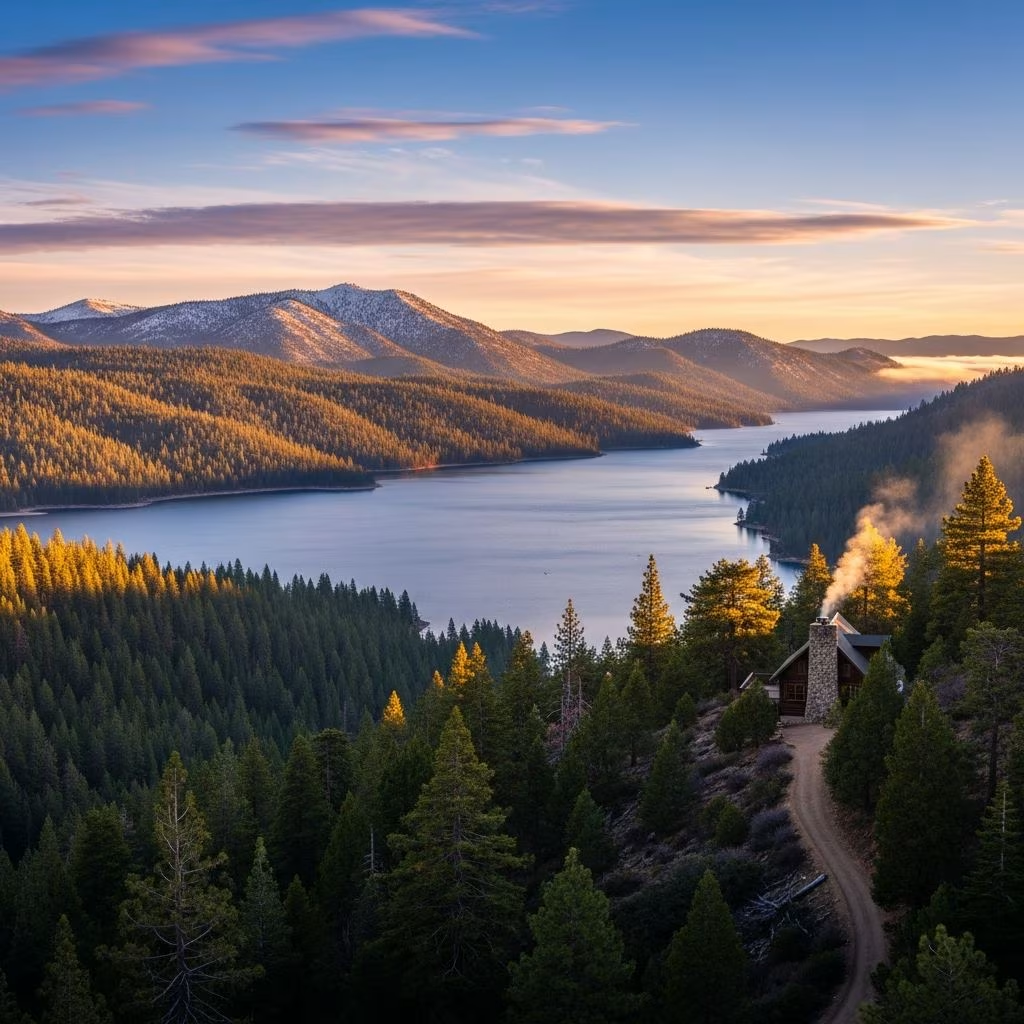
Nestled in the heart of Southern California’s San Bernardino National Forest, Big Bear Lake represents one of the region’s most distinctive mountain escapes, offering visitors a rare combination of high-altitude wilderness and accessible recreational opportunities. Positioned approximately 100 miles east of Los Angeles, this alpine community attracts adventure seekers, families, and relaxation enthusiasts throughout the year, each season bringing its own distinctive character and appeal.
Big Bear Lake functions as a four-season resort community built around a pristine mountain lake featuring 23 miles of shoreline. The elevation of this area creates what environmental scientists classify as a Sky Island Forest environment, a rare ecological formation that contributes to the region’s distinctive climate patterns and natural attractions. The surrounding San Bernardino National Forest provides the geographical context for numerous outdoor pursuits and scenic experiences that define the visitor experience.
The community has evolved beyond its traditional summer tourism base to become a year-round destination capable of accommodating diverse visitor preferences and activity levels. Whether travelers seek adrenaline-driven pursuits, contemplative nature experiences, or cultural engagement, the destination offers complementary options across all seasons.
Reaching Big Bear Lake from the Los Angeles metropolitan area requires travelers to navigate a straightforward but occasionally congested approach. The primary route involves taking either Interstate 10, 210, 605, or 91 toward the San Bernardino area, with Highway 330 providing the final ascent into the mountains. Once Highway 330 intersects with Highway 18, travelers follow directional signs toward Big Bear Lake, a route that offers increasingly spectacular panoramic views as elevation increases.
The scenic drive typically consumes 90 minutes to two hours depending on originating location and traffic conditions. Weekend morning departures, particularly on Friday evenings and Saturday mornings, tend to experience heavier traffic volumes along the single primary access route. Strategic timing during off-peak hours can significantly improve the driving experience, particularly during winter months when weather conditions occasionally impact road accessibility.
Winter transforms Big Bear Lake into a premier snow sports destination serving the broader Southern California region. Snow Summit, the region’s primary ski facility, offers both alpine skiing and snowboarding opportunities suitable for beginners through advanced practitioners. Rental equipment availability eliminates equipment ownership barriers, while instructional programs accommodate newcomers to winter sports. Beyond traditional skiing and snowboarding, the facility maintains tubing operations that appeal to families seeking more casual snow engagement.
Cross-country skiing, snowshoeing, and winter hiking expand the snow season activity portfolio beyond downhill pursuits, creating opportunities for visitors preferring lower-intensity winter experiences.
The crystalline alpine lake transforms into a vibrant recreation center during warmer months. The lake’s characteristics support an extensive array of water sports including:
Multiple marinas distributed around the 23-mile shoreline provide comprehensive facilities including boat permits, equipment rentals, and operational support services. The lake’s pristine water quality and mountain backdrop create aesthetically compelling settings for recreational boating and casual shoreline relaxation.
The surrounding San Bernardino National Forest maintains extensive trail networks accommodating hikers and mountain bikers across varying skill levels and distance preferences. Summer and fall seasons particularly attract trail enthusiasts, though spring conditions also provide appealing opportunities for forest exploration. The elevation gain and forest environment create distinctive hiking experiences compared to lower-altitude Southern California destinations.
Guided horseback riding adventures originating from Baldwin Lake Stables offer alternative perspectives on the surrounding landscape. Multi-hour trail rides provide comprehensive exposure to mountain topography while accommodating riders of varying experience levels.
Despite its modest proportions, Big Bear Lake’s downtown commercial district offers diverse retail, dining, and entertainment options that merit extended exploration. Independent boutiques, specialty shops, and local businesses create a distinctive shopping environment contrasting with standard mall retail experiences. The community’s walkable downtown layout encourages leisurely strolling and spontaneous discoveries, particularly for visitors preferring relaxed exploration without structured itinerary constraints.
The mountain community hosts a vibrant cultural calendar featuring theatre productions, visual arts exhibitions, and musical performances throughout the year. This cultural infrastructure provides intellectual and artistic engagement opportunities beyond outdoor recreation, appealing to visitors seeking diverse entertainment options during their mountain retreat.
The dining landscape accommodates varying preferences and occasions through establishments ranging from casual coffee houses to full-service restaurants.
Specialty Coffee Establishments serve as morning gathering points for locals and visitors. These venues typically feature locally roasted selections, alternative milk options, and comfortable seating conducive to extended visits or working arrangements.
Artisanal Bakeries offer handcrafted pastries and donuts, often featuring early morning availability for visitors beginning their daily adventures.
Family-oriented restaurants emphasizing local character and homestyle cooking create welcoming environments for multi-generational dining. Establishments focused on brunch service particularly attract weekend visitors seeking morning meal experiences with mountain community ambiance.
Bar and restaurant combinations often feature appetizer-focused dining in casual atmospheres, with variations in service availability depending on seasonal demand fluctuations.
Lodging options range from rustic cabin experiences to contemporary resort properties, enabling visitors to calibrate accommodation amenities to personal preferences and budget parameters. Many properties position themselves proximate to either the lake shoreline or downtown commercial areas, with location choices affecting guest accessibility to different activity categories.
Seasonal pricing variations reflect demand fluctuations, with peak pricing typically occurring during winter snow season weekends and summer vacation periods. Off-season travel offers cost advantages alongside reduced crowds and enhanced parking availability.
The Visit Big Bear information center, located at 40824 Big Bear Boulevard, provides comprehensive resources for activity planning, event schedules, guided tour arrangements, and trail recommendations. Staff members offer personalized recommendations based on visitor preferences, experience levels, and time constraints. This facility serves as a valuable starting point for visitors seeking curated suggestions rather than independent research navigation.
Seasonal preferences depend on activity interests. Winter attracts snow sports enthusiasts, summer appeals to water recreation visitors, while spring and fall offer moderate temperatures and fewer crowds for hiking and general exploration.
Weekend trips provide adequate time for introductory experiences, while three to four-day visits enable more comprehensive activity engagement and relaxation opportunities.
Downtown shopping, restaurant experiences, casual lakeside relaxation, cultural events, and scenic drives offer engaging options for visitors prioritizing comfort over athleticism.
Yes, the destination offers extensive family-oriented activities including tubing, gentle boat cruises, horseback riding, and downtown exploration alongside more challenging options for older children and adults.
Layered clothing accommodates temperature fluctuations, particularly during seasonal transitions. Winter visits necessitate cold-weather gear, while summer excursions require sun protection and water activity clothing.
Advance planning regarding season selection, activity prioritization, and accommodation reservation enhances visit satisfaction. Traffic mitigation through strategic departure timing improves journey quality. Combining activity types across physical intensity levels prevents visitor fatigue while maximizing engagement with the destination’s diverse offerings.
The mountain environment requires respect for elevation adjustment and altitude exposure, particularly for visitors originating from lower-altitude regions. Adequate hydration, appropriate pacing, and realistic physical expectations contribute to safe and enjoyable experiences.
Big Bear Lake’s comprehensive recreational infrastructure, natural beauty, and year-round accessibility establish it as a distinctive Southern California mountain destination worthy of repeated visits across multiple seasons. Whether pursuing adventure, cultural engagement, or restorative relaxation, the destination accommodates diverse travel philosophies within a geographically accessible mountain setting.
