

 Travel Essentials
 Travel Essentials

Big Bend tops U.S. canyon parks for fatalities. Learn heat risks, flash floods, falls, and ranger-approved strategies for safe adventures in this remote Texas gem.
 Travel Essentials
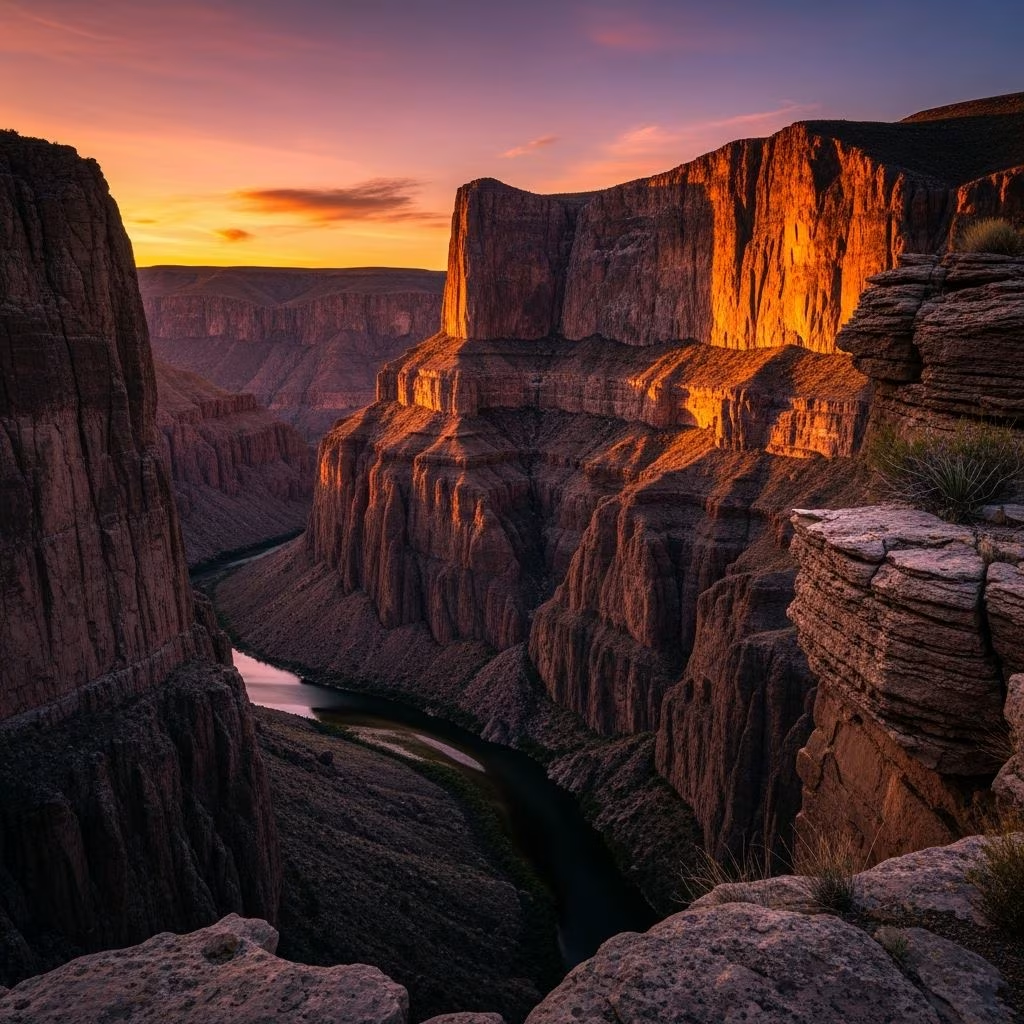
Big Bend National Park in Texas stands out among U.S. national parks for its extreme hazards, particularly in canyon areas where summer deaths outpace other sites. Data from 2007-2023 shows it leading 21 canyon parks in fatalities, driven by scorching heat and rugged terrain. This 800,000-acre desert wonder along the Rio Grande offers unmatched beauty but demands rigorous preparation.
Spanning mountains, desert basins, and river canyons, Big Bend challenges visitors with isolation and volatile conditions. Unlike crowded parks, its remoteness means help arrives slowly—emergency response can take hours due to vast distances and limited facilities. Annual visitors hover around 500,000, yet incidents affect under 0.01%, though severity rises in summer.
Key dangers include:
Since 2014, over 30 deaths occurred, highlighting per-capita risks in this under-visited gem.
Summer fatalities dominate Big Bend’s record, per National Park Service analysis. From 2007-2023, it topped canyon parks despite lower traffic. Daily swings of 30°F+ amplify dangers—mornings cool, afternoons brutal.
| Hazard | Common Causes | Fatality Rate Insight |
|---|---|---|
| Heat-Related | Dehydration, exhaustion, stroke | Highest in summer; 70% SAR self-resolve but escalate fast |
| Falls | Cliffs, trails without railings | Major in mountains/canyons |
| Floods | Thunderstorms in washes | Avoid narrow canyons |
| Vehicle | Speeding, wildlife, breakdowns | Top injury cause |
Youth and experience offer no immunity; overconfidence kills.
Dehydration strikes silently—carry 1 gallon water/person for long hikes, plus salty snacks. Symptoms: headache, dizziness, nausea—stop, shade, hydrate immediately. Heatstroke needs urgent aid.
Refill stations are sparse—map them. Rest more than usual; pack extra supplies.
Big Bend’s canyons boast epic views but treacherous drops. Stay behind railings, avoid edges. Trails are rocky, steep—wear sturdy boots.
Flash floods: Skip narrow canyons/washes during storms; lightning? Stay low, off ridges. About half of search-and-rescue (SAR) needs minimal care, 70% hike out aided.
Snakes, scorpions, javelina roam—watch feet, keep kids near. Bears/mountain lions: Don’t run; stand tall, yell, throw objects. Report sightings.
Rio Grande: Avoid swimming—strong currents, drop-offs. Border proximity means occasional illegal activity—report suspicions to rangers, don’t engage.
Roads cap at 45 mph; watch deer, rabbits at dusk. Pull fully off for views. Backcountry: High-clearance 4WD, spare tire, extra water/food.
Vehicle crashes top injuries—drive slow, sober.
Over 200 miles of trails: Use GPS, NPS app, maps; tell someone plans/return time; carry whistle. Never overestimate fitness—rangers tailor itineraries.
Preparation checklist:
Yes, with caution—low incident rate, but remoteness amplifies errors. Families: Short, easy trails; supervise near edges. Solo: Share plans, check in.
2026 updates emphasize preparation amid climate shifts intensifying heat/floods.
High summer fatalities from heat in low-traffic canyons, per 2007-2023 NPS data.
Fall-spring; avoid summer peaks. Early mornings anytime.
1 gallon/person for long treks; more in heat.
Yes, black bears; make noise, report sightings.
High in washes/canyons—avoid during storms.
45mph max, full pull-offs, 4WD for backcountry.
Big Bend rewards preparedness with unparalleled vistas. Study limits, flex plans, respect nature—unlock its magic without regret. NPS urges: Pace yourself, stay informed.
