

 Travel Essentials
 Travel Essentials

Explore Big Sky Resort's 5,850 acres of skiable terrain, from beginner groomers to extreme couloirs, with tips on planning, itineraries, and non-ski activities for an unforgettable winter escape.
 Travel Essentials
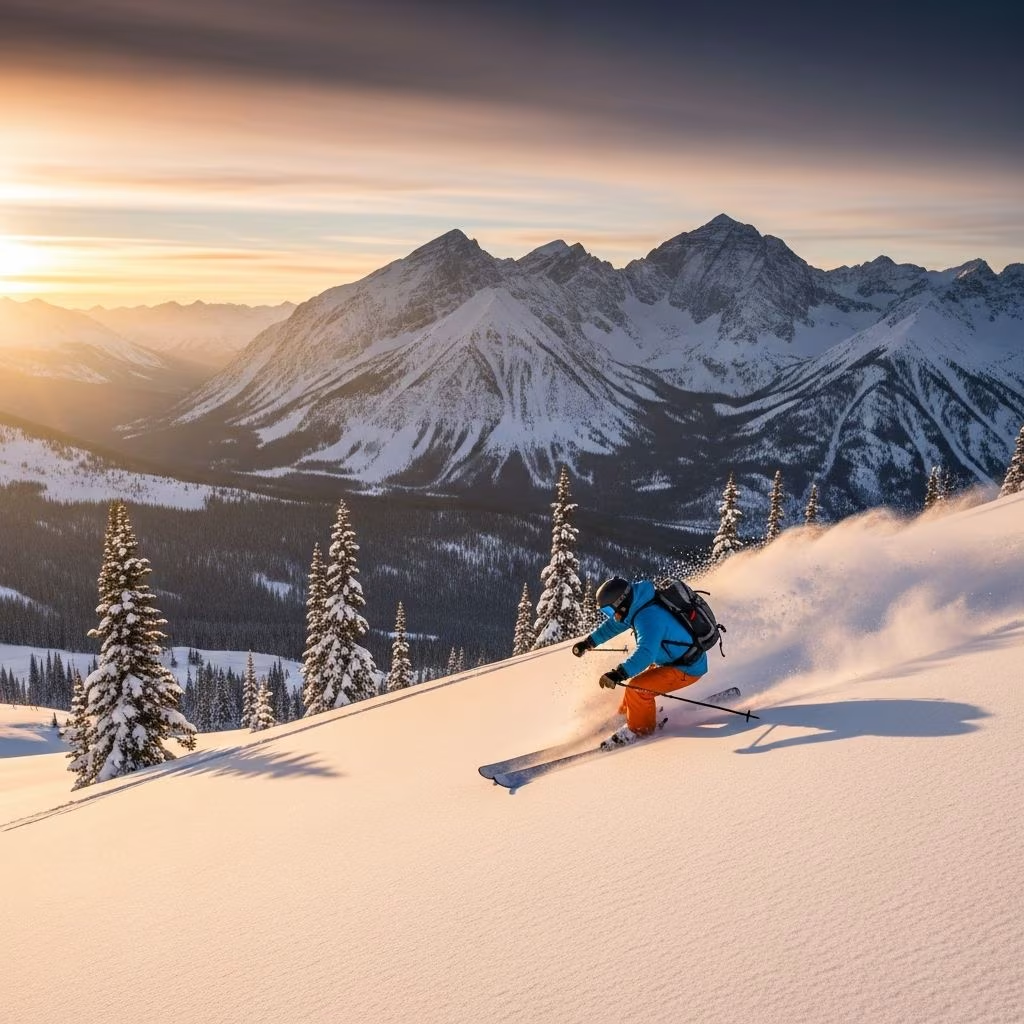
Big Sky Resort in Montana stands as a premier destination for winter sports enthusiasts, offering an expansive 5,850 acres of skiable terrain across multiple peaks, ideal for skiers and snowboarders of all levels. Nestled in the Greater Yellowstone Region, this resort combines vast open bowls, thrilling chutes, and gentle groomers with uncrowded slopes and reliable snowfall averaging 400 inches annually.
The allure of Big Sky lies in its sheer scale and variety. With 38 chairlifts serving four main peaks—Lone Peak, Andesite Mountain, Moonlight Basin, and more—visitors can explore more ground in a single day than at many other resorts, though three days are recommended to fully appreciate the terrain. The Lone Peak Tram provides access to high-alpine adventures, while lower areas offer accessible blues and greens. Unlike crowded destinations, Big Sky maintains over an acre per skier, ensuring a peaceful experience even during peak season.
February and March emerge as prime months, delivering the deepest snow bases and frequent powder days, with 4-5 snowfalls per week transforming the landscape into a skier’s paradise. The resort’s advanced lift system, including heated options, enhances comfort on chilly days.
Big Sky’s complexity rewards preparation. Trail maps and on-mountain signage guide visitors through base areas and lifts, but studying them beforehand prevents confusion amid the vast layout. Free Mountain Host Tours, lasting about 90 minutes, cater to intermediate skiers and above, traversing green and blue runs while highlighting expert terrain and answering queries.
For newcomers, private lessons or guided tours are invaluable. Instructors tailor routes to skill levels, introducing high-alpine zones and tram-accessible runs safely. These sessions build confidence, helping families and solo adventurers maximize enjoyment.
Big Sky balances accessibility with challenge: roughly 50% beginner-to-intermediate terrain and 50% advanced, spread across seven terrain parks.
| Skill Level | Key Areas | Signature Runs | Lift Access |
|---|---|---|---|
| Beginner | Andesite | Safari, wide greens | Southern Comfort |
| Intermediate | Moonlight Basin, Andesite | Horseshoe, Liberty Bowl | Swift Current, Dakota |
| Advanced/Expert | Lone Peak, South Face | Big Couloir, Lone Tree Face | Lone Peak Tram, Shedhorn |
Experts can dedicate days to Big Sky’s legendary lines. Start from Mountain Village via Swift Current Lift (“Swifty”), traversing to Powder Seeker and the Lone Peak Tram base. The tram unlocks extreme terrain; prioritize Big Couloir when open—requiring a partner, avalanche gear, waiver, and patrol-timed slots. Skiers wait in the summit “Penalty Box” before dropping into this iconic chute, exiting via Upper and Lower Morningstar back to Swift Current.
Transition to South Face via Calamity Jane to Cow Flats cat track, ascending Shedhorn for Hanging Valley, Kircher’s Cliffs trees, and Bavarian Forest. Liberty Bowl offers a spacious bowl alternative, linking to Dakota Gully glades. Lap Lone Tree Lift for Face laps, then rip Horseshoe groomer to Six Shooter.
Afternoon highlights include Challenger Lift’s Big Rock Tongue chute—a narrow, late-day soft line connecting to Fast Lane back to the village. Break itineraries across days to savor powder and avoid fatigue.
Families thrive at Big Sky with dedicated learning zones, kids’ programs, and heated lifts. Rentals from evening prior at spots like Grizzly Outfitters streamline mornings. Mountain Hosts provide orientation, easing first-day nerves.
Progression tips: Beginners stick to Andesite’s broad runs; families mix skiing with base-area fun like tubing or ice skating.
Big Sky extends beyond skiing. Explore backcountry with guides from Big Sky Backcountry Guides for hut trips, Yellowstone day tours, or avalanche courses. Non-skiers enjoy snowshoeing, sleigh rides, and village dining.
Logistics: Fly into Bozeman (one-hour drive), book multi-day passes, and reserve lessons early. Rentals, parking, and shuttles simplify access.
Peak snow in late winter demands advance bookings for lodging, lifts, and guides. Check resort apps for real-time conditions, lift status, and terrain openings.
February and March offer the best snow with deep bases and frequent storms.
Yes, with 50% easy terrain, wide greens, and lessons—avoid crowded narrow runs.
Avalanche transceiver, probe, shovel, partner, and patrol waiver.
Mountain Host Tours are free for intermediates, 90 minutes on greens/blues.
5,850 acres across 38 lifts and four peaks.
