Understanding the Basque Culinary Landscape
The Basque region of Spain, particularly the city of Bilbao, has established itself as one of Europe’s most compelling destinations for food enthusiasts. The local gastronomic scene extends far beyond the internationally recognized pintxos culture, encompassing a sophisticated food philosophy that celebrates regional ingredients, traditional preparation methods, and an unwavering commitment to culinary excellence. The region’s approach to food reflects centuries of cultural development, geographic influences, and a population that views eating not merely as sustenance but as a fundamental expression of identity and community.
Bilbao’s food culture represents a fascinating blend of historic traditions and contemporary innovation. The city has undergone significant transformation over recent decades, evolving from an industrial center into a modern metropolis while maintaining deep connections to its gastronomic roots. This balance between preservation and progress creates a unique dining landscape where visitors encounter both authentic family-run establishments and cutting-edge culinary establishments operating within the same neighborhoods.
Timing Your Gastronomic Adventure
Strategic planning enhances any food-focused trip to Bilbao. The region experiences distinct seasonal variations that influence both ingredient availability and visitor experiences. June and September emerge as particularly advantageous months for culinary travelers, offering moderate weather conditions, abundant fresh produce, and reduced crowding compared to peak summer tourism. During these periods, local markets flourish with seasonal harvests, restaurants maintain more intimate atmospheres, and dining prices remain more reasonable than during July and August when international visitors surge.
Spring and autumn provide additional benefits for food enthusiasts. March through May brings new seasonal ingredients including fresh vegetables and lighter fish preparations, while October through November offers heartier preparations and wine harvest-related celebrations. Winter months, though cooler, feature warming traditional dishes and fewer tourists competing for restaurant tables.
The Pintxos Culture: Beyond Simple Bar Snacks
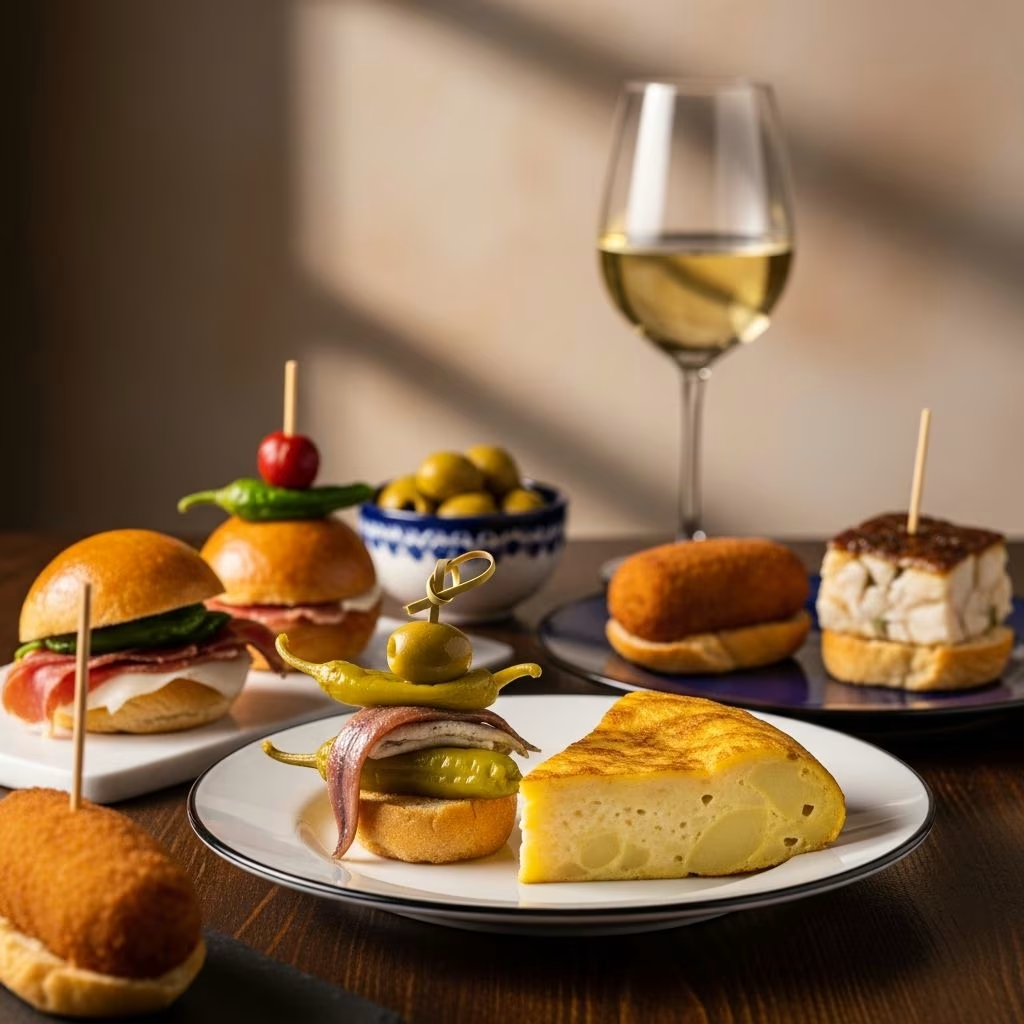
Pintxos represent the most recognizable aspect of Basque gastronomy internationally, yet their cultural significance extends considerably deeper than casual appetizers. These small, carefully crafted bites showcase individual creativity, technical skill, and respect for ingredients. Each pintxo tells a story through its composition, flavor profile, and presentation, reflecting the chef’s interpretation of traditional or innovative combinations.
Navigating Plaza Nueva for Pintxos
Plaza Nueva serves as the historic heart of Bilbao’s Old Town and the ideal starting point for any pintxos exploration. This neoclassical square, surrounded by traditional buildings and bustling bars, presents an immersive introduction to the pintxos culture. The atmosphere encourages wandering between establishments, sampling offerings from different bar counters, and developing a personal preference palette. Strategic tasting involves sampling selectively rather than consuming indiscriminately, allowing palate progression throughout the evening without premature satiation.
Establishments like Gure Toki and Sorginzulo have earned reputations for artistic precision and flavor intensity. Gure Toki particularly stands out for its award-winning Idiazabal cheese soup, a pintxo that captures the essence of local sheep’s milk cheese in an innovative format. The bar’s commitment to technical excellence and ingredient quality sets a standard that defines the upper echelon of pintxos preparation.
Alternative Pintxos Districts
The Indautxu neighborhood offers a more relaxed alternative to Plaza Nueva’s intensity. This residential area features established pintxos bars serving devoted local clientele. El Puertito specializes in oyster preparations, while Gaztandegi focuses on cheese-based offerings. Pairing these selections with Txakoli, a slightly effervescent local white wine with subtle acidity, creates harmonious flavor combinations that enhance both the food and wine experiences.
The Old Town beyond Plaza Nueva harbors additional notable establishments, including Baste, which prepares stuffed mussels with béchamel sauce—a traditional preparation that exemplifies Basque technique applied to local seafood resources.
Beyond Pintxos: Signature Basque Dishes
Basque cuisine encompasses substantial dishes that warrant dedicated attention. Understanding these preparations provides context for the region’s broader culinary philosophy and historical food traditions.
Protein-Focused Preparations
Txuleta represents the Basque approach to beef preparation, featuring premium locally-sourced cuts cooked with minimal intervention to highlight meat quality. This dish appeals particularly to meat enthusiasts seeking authentic, technique-focused preparation. Kokotxas, a fish stew preparation featuring local catches, embodies the region’s seafood mastery. The dish combines carefully selected fish with aromatic elements and traditional cooking methods refined over generations.
Bacalao al pil pil stands as perhaps the region’s most iconic dish. This preparation features salt cod combined with a thick, emulsified sauce created from olive oil, garlic, and chili peppers. The technical challenge of achieving the proper emulsion, combined with the quality demands for ingredient selection, explains this dish’s legendary status. Victor, located in Plaza Nueva and operating continuously since the 1940s, represents the historical anchor for this preparation’s authentic expression in Bilbao.
Innovative Preparations
Mejillones tigres exemplifies Basque innovation applied to humble ingredients. This preparation involves chopping mussels and mixing them with onions, tomato, and paprika, then combining with béchamel sauce, stuffing the mixture into mussel shell halves, breading, and frying until golden. The result transforms simple mussels into a sophisticated preparation that demonstrates technical skill and flavor complexity. Con b de Bilbao specializes in this distinctive local creation.
Market Experiences and Fresh Ingredient Discovery
Mercado de la Ribera represents a cornerstone destination for understanding Bilbao’s food culture. This covered market, one of Europe’s largest, spans three stories filled with vendors offering fresh regional produce, seafood, and prepared foods. The market’s Gastro Plaza section features multiple pintxos counters, prepared dishes, and traditional sweets, creating an environment where visitors sample authentic preparations in a bustling, energetic atmosphere.
Traditional Basque desserts available throughout the market include Carolinas and pantxineta. Carolinas, beloved by Bilbao residents, combine light pastry with custard filling and chocolate coating. Pantxineta, originating from neighboring San Sebastián, features pastry surrounding custard and nut fillings. These sweets represent centuries-old traditions still produced using time-honored methods.
Establishing a Food-Focused Itinerary
Foundational Day Structure
A strategic food-oriented visit typically begins with morning market exploration, allowing visitors to observe ingredient quality and availability while experiencing the market’s authentic commercial rhythm. Mid-morning coffee and pastries at a neighborhood café provide transition into lunch planning. Afternoon activities might include market shopping, food tour participation, or museum visits, with evening dedicated to pintxos exploration and dinner at selected establishments.
Complementary Dining Experiences
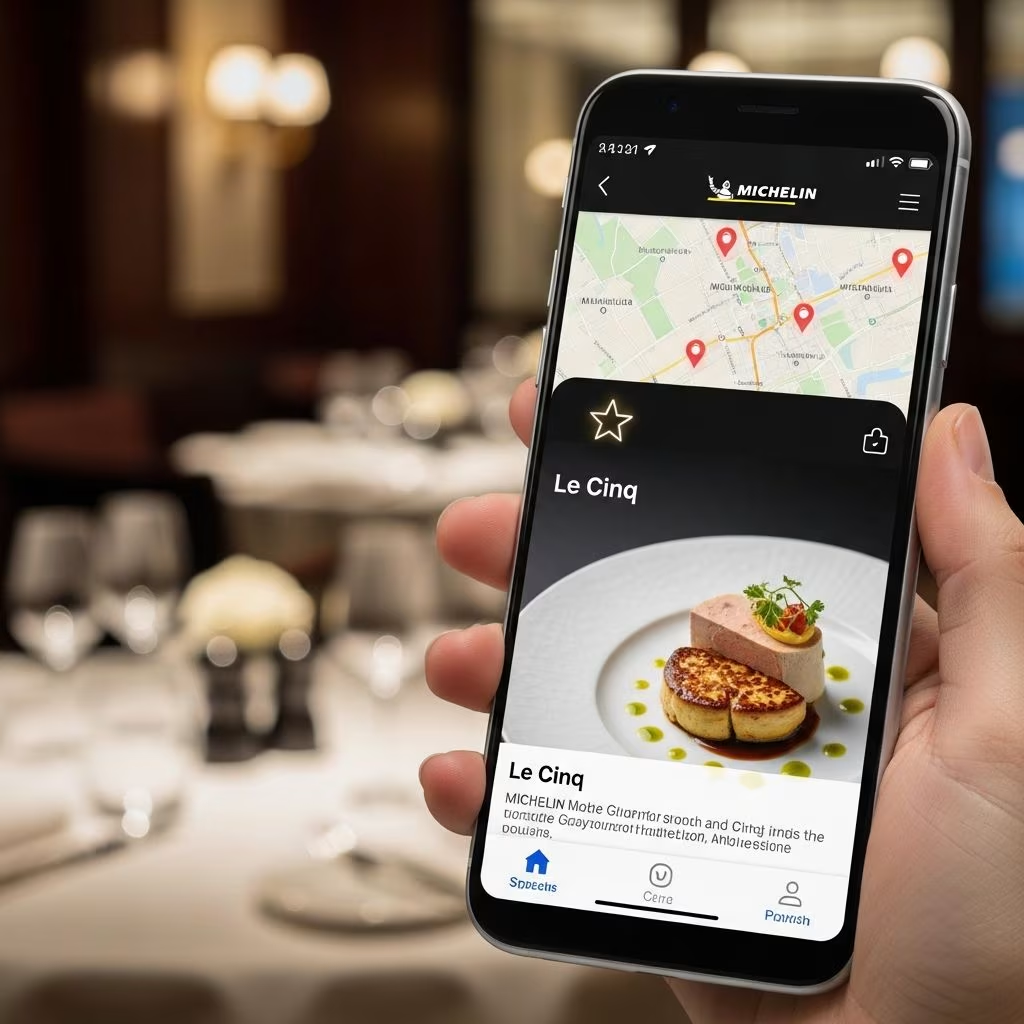
Beyond pintxos bars and casual establishments, Bilbao’s fine dining scene merits inclusion in comprehensive food itineraries. Michelin-starred restaurants showcasing Basque traditions prepared at the highest technical levels offer contrast to casual dining experiences. These establishments often feature tasting menus highlighting seasonal ingredients, innovative presentations, and wine pairings that illuminate regional viticulture.
Specialty establishments focusing on specific preparations deserve attention. Lucky Baster has gained recognition for creative preparations including oxtail bikini sandwiches and Basque-style cheesecake—a preparation distinguished by extra creaminess and generous portion that extends beyond plate edges. Le Chocolat specializes in bollo de mantequilla, a traditional Basque butter bun filled with buttercream that represents quintessential Bilbao pastry culture.
Wine and Beverage Pairings
Txakoli wine represents the region’s signature white wine, characterized by slight effervescence, subtle acidity, and mineral qualities that complement both lightweight pintxos and heavier seafood preparations. The wine’s modest alcohol content and delicate character reflect the Basque philosophy of allowing ingredients to shine rather than overwhelming palates with heavy spirits.
Exploring local wine regions enhances overall gastronomic understanding. Dedicated wine experiences, including winery visits and tastings at specialized establishments, provide context for pairing traditions and production methods. Many food-focused tour operators include wine education components within comprehensive itineraries.
Planning Practical Considerations
Reservation Requirements
Certain establishments require advance planning. Popular restaurants and specialized bars often maintain reservation systems, with some accepting bookings exclusively through digital messaging platforms. This approach, while initially requiring additional planning steps, ensures table availability at desired establishments and prevents disappointment during peak dining periods.
Neighborhood Navigation
Bilbao’s food scene distributes across distinct neighborhoods, each offering unique character and specialization. Plaza Nueva anchors Old Town dining, while Indautxu provides residential-feeling alternatives. The Abandoibarra area, home to the Guggenheim Museum, features contemporary dining establishments within modern architecture. Navigating between neighborhoods allows visitors to experience the city’s geographic and cultural diversity while encountering varied approaches to Basque cuisine preparation.
FAQ Section
How much should I budget for food experiences in Bilbao?
Bilbao accommodates various budget levels. Pintxos bar hopping allows sampling multiple preparations for €15-30 per person. Casual lunch establishments serve complete meals for €12-20. Fine dining experiences range from €60-150 per person. Market exploration and self-catering provides budget-friendly options while maintaining quality ingredient access.
Are reservations necessary for pintxos bars?
Most pintxos bars operate on walk-in basis, though popular establishments may experience wait times during peak hours (8-10 PM). Fine dining establishments absolutely require advance reservations. Casual lunch restaurants typically accommodate walk-ins except during peak midday periods.
What language should I expect in restaurants?
Bilbao maintains increasing English capability, particularly in tourist-focused establishments. However, learning basic Spanish phrases enhances interactions and demonstrates cultural respect. Menu items often appear in Spanish, Basque, and increasingly English, though smaller establishments may feature Spanish-only menus.
How long should I allocate for a comprehensive food visit?
A minimum three-day visit allows sampling various preparation styles, market exploration, and neighborhood discovery. Four to five days provides comfortable pacing for market visits, cooking classes, wine experiences, and diverse restaurant patronage. Extended stays enable day trips to surrounding regions offering culinary specializations and agricultural heritage experiences.
References
- A Foodie’s Travel Guide to Bilbao, Spain: Top Basque Spots & Things to Do — Under the Sun Travels. 2025-10-25. https://underthesuntravels.com/2025/10/25/a-foodies-guide-to-bilbao-spain/
- Savoring Bilbao: A Foodie’s Guide on Where to Eat in Bilbao, Spain — Appetite’s Abroad. https://www.appetitesabroad.com/bilbao-food-guide/
- Here’s how to eat your way through Bilbao and Spain’s Basque — Lonely Planet. https://www.lonelyplanet.com/articles/planning-foodie-trip-bilbao-basque-country-spain
- Luxury Basque Country Food Tours: Bilbao & San Sebastián — The International Kitchen. https://www.theinternationalkitchen.com/program/cooking-vacations-in-spain-basque-country-basque-cuisine-in-bilbao-from-pintxos-to-txakoli/
- 4 Days In Bilbao (Where To Eat & What To See) — Well Seasoned Studio. https://www.wellseasonedstudio.com/4-days-in-bilbao/