

 Travel Essentials
 Travel Essentials

A complete travel guide to Bilbao covering museums, local cuisine, historic neighborhoods, and essential visitor information for exploring Spain's Basque capital.
 Travel Essentials
Bilbao, the capital of Spain’s Basque Country and the largest city in the north, represents a fascinating blend of historical tradition and contemporary innovation. This industrial city has undergone a remarkable transformation over recent decades, emerging as a cultural destination that attracts visitors from around the world. Whether you’re interested in world-class art, authentic regional cuisine, or exploring medieval neighborhoods, Bilbao offers a rich tapestry of experiences that justify a prominent place on any Spain itinerary.
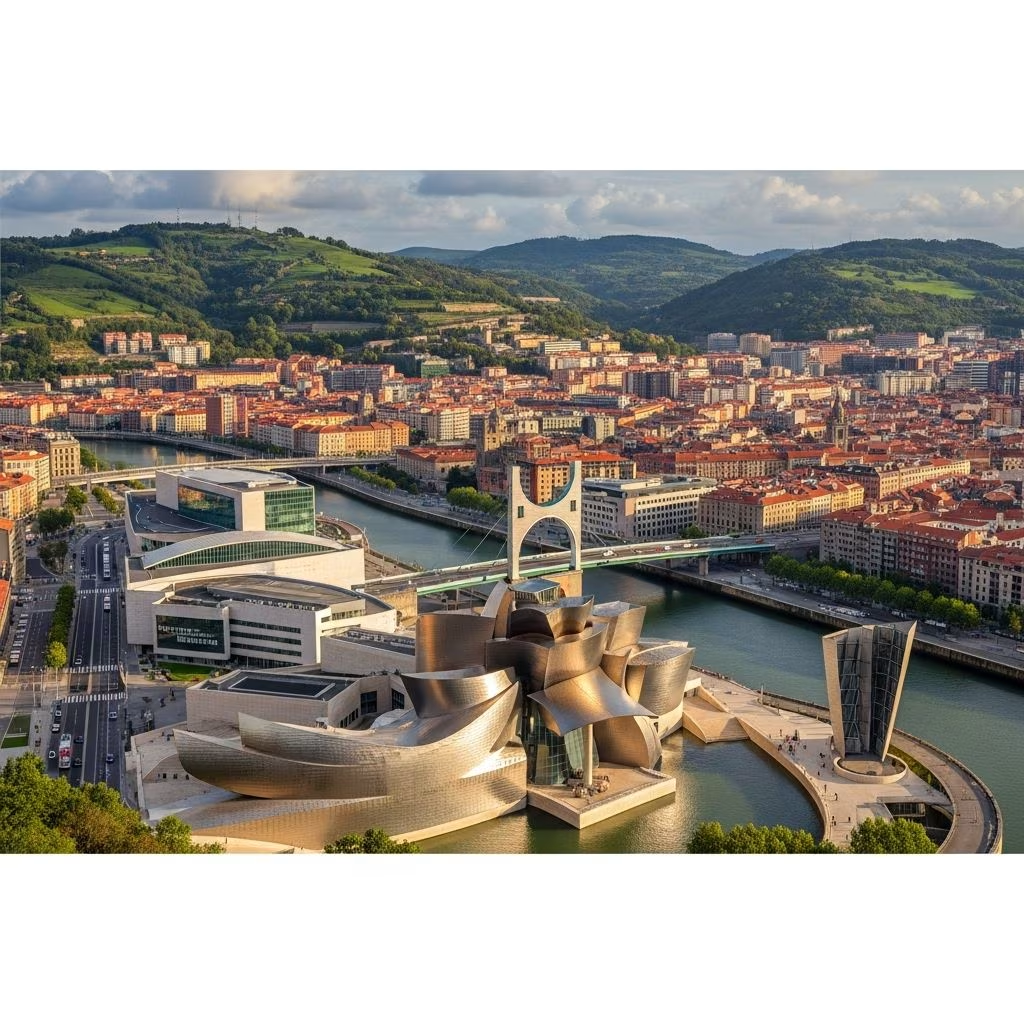
Understanding Bilbao’s geographical and cultural divisions helps visitors navigate the city more effectively. The city is organized into several distinct districts, each with its own personality and attractions. The historic Casco Viejo, also known as the Old Town, sits at the city’s heart with narrow winding streets that date back centuries. Modern Bilbao extends outward with wider boulevards, parks, and contemporary architecture that showcase the city’s reinvention. The Nervión River serves as a natural dividing line and a focal point for the city’s urban development, with numerous bridges and waterfront promenades offering scenic pathways throughout the urban landscape.
The city benefits from its compact size, making it easily navigable for first-time visitors. Most major attractions are within walking distance or a short metro ride from the city center. This accessibility allows travelers to experience multiple aspects of Bilbao’s character without spending excessive time in transit.
Bilbao’s food scene represents one of Spain’s most distinctive regional cuisines, centered around the concept of pintxos rather than traditional tapas. Pintxos are small, individually-portioned plates that showcase Basque culinary traditions and local ingredients. These delicacies are typically priced affordably, making them accessible for casual sampling throughout the day.
The pintxo culture encourages a social dining style where visitors move from one establishment to another, sampling different creations and engaging with locals. This traditional practice, known as a pintxos crawl or tour, provides an authentic window into daily Basque life and community dining rituals. Many visitors find these informal food experiences more memorable than formal restaurant dining.
The titanium-clad museum that opened in the 1990s stands as Bilbao’s most recognizable symbol and one of Spain’s most visited cultural institutions. This architectural marvel features striking metallic surfaces that reflect light differently depending on weather conditions and time of day. The building itself functions as an artwork, with its undulating forms creating visual interest from every angle. Inside, the museum houses an impressive collection of contemporary and modern artworks, including installations specifically commissioned for the space. The outdoor sculpture garden adds another dimension to the experience, allowing visitors to engage with large-scale artworks in an open setting.
Beyond the titanium-clad icon, Bilbao contains several other significant museums housing diverse collections. The Fine Arts Museum preserves an important assemblage of Spanish and European artwork spanning multiple centuries. This institution offers insight into regional artistic traditions and includes pieces by renowned Spanish masters. Specialized museums focusing on maritime history, design, and industrial heritage provide additional perspectives on the city’s past and cultural identity.
The walled medieval quarter preserves much of Bilbao’s original urban structure, with seven primary streets forming the core of the historic district. These narrow lanes create an atmospheric environment quite distinct from the modern city beyond. The layout encourages leisurely wandering and spontaneous discovery, as narrow passages open unexpectedly into small plazas or hidden architectural treasures.
| Location | Significance | Visitor Experience |
|---|---|---|
| Santiago Cathedral | 14th-century Gothic structure and spiritual center | Architectural appreciation and quiet reflection |
| Plaza Nueva | 19th-century public square and social hub | Café culture, dining, and observation of daily life |
| Flower Markets and Stalls | Traditional commerce and local commerce | Colorful scenes and authentic atmosphere |
| Independent Boutiques | Local artisan products and unique items | Shopping for distinctive souvenirs and crafts |
The quarter attracts both tourists and local residents, maintaining its function as a living neighborhood rather than a preserved museum piece. Street performers, outdoor cafés, and lively bars contribute to an energetic environment that changes character throughout the day and evening.
The Nervión River corridor has been transformed into a linear park and promenade system offering walking paths, rest areas, and excellent vantage points for observing the city’s architectural variety. This riverside development showcases the transition between historic and contemporary Bilbao, with traditional industrial buildings alongside modern structures. The waterfront attracts both tourists and locals seeking recreation and fresh air.
Pedestrian bridges span the river at several points, allowing for circular walking routes and exploration of different neighborhoods. The riverside paths connect major attractions, making them functional as transportation routes while offering aesthetic value and opportunities for informal observation.
The Basque coast lies remarkably close to the urban center, approximately 20 minutes by regional transit. This proximity allows visitors to combine urban exploration with beach experiences. The coastal area includes both natural beach environments and charming small communities that have adapted to modern tourism while maintaining local character.
The famous bridge dating to 1888 represents an engineering achievement that still functions as the primary transport connection between the coastal peninsula and the mainland. This structure attracts engineering enthusiasts and photographers interested in industrial heritage. The surrounding waterfront features residential neighborhoods, promenades, and recreational areas that appeal to visitors seeking quieter, less crowded experiences than central Bilbao provides.
Mount Artxanda, accessible via funicular railway, offers elevated perspectives of the entire city and surrounding landscape. The viewing platform provides context for understanding the city’s geographical position, urban organization, and relationship to the broader region. Clear days offer visibility extending to distant mountains and the river valley.
Bilbao’s airport sits approximately 15 minutes from the city center by automobile or shuttle service. The airport features modern facilities and regular connections to major European cities. Transit options from the airport include taxis, shuttle buses, and rental vehicle services. The city center remains compact enough that visitors without vehicles can access primary attractions through public transit or walking.
First-time visitors with 48 hours can structure their time to experience primary attractions and sample local food culture. A typical itinerary might begin with Casco Viejo exploration and pintxo sampling, followed by museum visits and waterfront walks. Additional time allows for day trips to coastal areas or more thorough exploration of specific museums and neighborhoods.
Visitors with limited time (24 hours) should prioritize the most emblematic experiences: the titanium-clad museum, historic quarter wandering, and authentic regional meal. This focused approach provides representative insight without overwhelming scheduling.
Extended visits of three or more days allow deeper cultural immersion, attendance at local events or performances, more comprehensive museum exploration, and authentic social interactions with residents. Longer stays facilitate seasonal activities and exploration of the broader regional context.
Bilbao reflects strong regional identity and Basque cultural pride. Local residents maintain distinct linguistic and cultural traditions that distinguish the region from other Spanish areas. Visitors who demonstrate respect for local culture and language find warmer receptions and richer interactions. Learning basic Basque phrases or acknowledging the region’s distinct character enhances the travel experience.
The pintxo culture emphasizes community and social interaction rather than rushed consumption. Visitors who adopt the local pace, engage with bar staff, and participate in the social rituals of the pintxo crawl experience the culture more authentically than those approaching it purely as a tourist activity.
Beyond the famous titanium museum, Bilbao offers numerous architectural styles spanning medieval, Renaissance, industrial, and contemporary periods. Self-guided architectural tours can highlight stylistic evolution across different neighborhoods. Photography opportunities abound for those interested in capturing urban aesthetics.
Beyond pintxo sampling, Bilbao offers cooking classes, market tours led by knowledgeable guides, and restaurant experiences ranging from casual to Michelin-starred establishments. Food tourism provides deep engagement with regional culture and agricultural traditions.
Athletic Club Bilbao represents one of Spain’s most historic football teams with a distinctive recruitment philosophy. The stadium and team museum attract sports fans and those interested in Spanish sporting culture. The city’s location near beaches and mountains provides outdoor recreation opportunities for visitors seeking active experiences.
Bilbao offers accommodation options across multiple price points and styles. Central locations near the historic quarter or riverfront provide convenient access to primary attractions with walkable distances to restaurants, cafés, and shopping. Boutique hotels in the historic quarter offer atmospheric stays in converted historic buildings. Modern hotels in the ensanche district provide contemporary comfort with proximity to shopping and dining establishments.
Staying centrally reduces transit time and allows maximum flexibility for exploration, while peripheral accommodations may offer quieter environments and potentially lower rates for budget-conscious travelers.
Bilbao’s northern location means weather varies significantly by season. Summer months offer pleasant temperatures and longer daylight hours, making outdoor exploration easier. Spring and autumn provide mild weather with fewer crowds than summer peak season. Winter brings cooler temperatures and occasional rain but represents the quietest tourist season with lower accommodation rates.
The titanium-clad museum typically requires 3-4 hours for a thorough visit including exterior observation. The Fine Arts Museum warrants 2-3 hours. Specialized museums focusing on particular subjects can be experienced in 1-2 hours depending on personal interest levels.
The traditional pintxo crawl occurs during late afternoon hours (5-7 PM) and evening hours (8-10 PM) when locals frequent bars before dinner. These times offer the most authentic atmosphere and widest selection of freshly prepared pintxos.
In tourist-oriented areas, English is commonly spoken. In smaller establishments and outlying neighborhoods, Spanish or Basque may be more prevalent. Learning basic phrases enhances interactions and demonstrates respect for local culture.
While walk-up entry remains possible for many attractions, advance booking guarantees entry during busy periods and potentially reduces wait times. Popular museums and specialized tours benefit from advance reservations.
Regional products include Basque txuleta (premium beef), local wines and txakoli (regional white wine), artisan foods, locally-designed fashion items, and artistic crafts. The Ribera Market and independent boutiques in the historic quarter offer authentic local products with more character than mass-produced tourist items.
