

 Travel Essentials
 Travel Essentials

Explore Biscayne National Park's coral reefs, mangroves, and historic keys through guided tours, paddling adventures, and visitor center exhibits. Perfect for water lovers seeking marine biodiversity.
 Travel Essentials
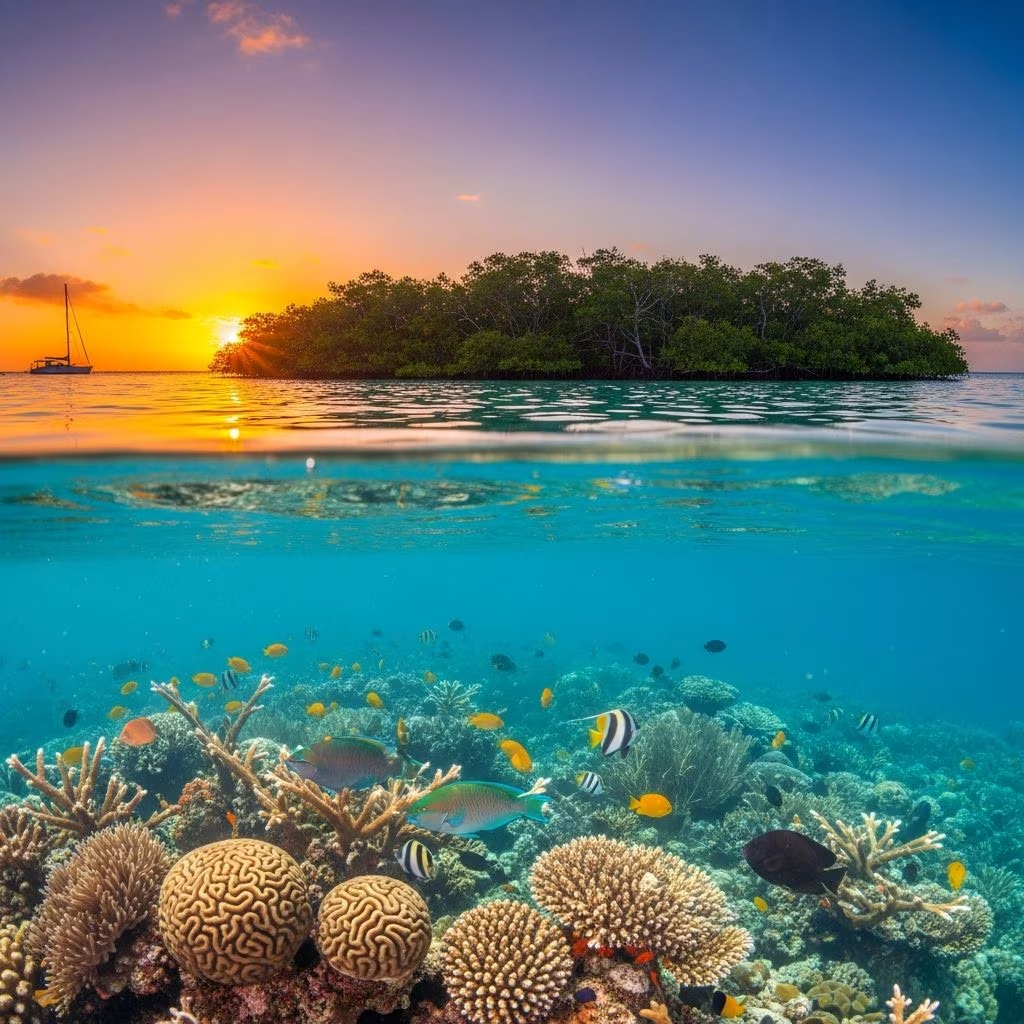
Biscayne National Park spans 173,000 acres, with over 95% underwater, offering a unique blend of coral reefs, mangrove ecosystems, and offshore keys accessible primarily by boat. This aquatic haven south of Miami provides exceptional opportunities for snorkeling, paddling, and island exploration without an entrance fee, though docking and tours incur costs.
The park’s vast marine environment hosts diverse ecosystems, from shallow bays teeming with tropical fish to deeper reefs supporting sea fans and sponges. Managed by the National Park Service, it protects critical habitats for manatees, sea turtles, and over 200 fish species. Unlike land-heavy parks, Biscayne demands water-based access, making it ideal for boating enthusiasts and eco-tour participants.
Key zones include the mangrove-fringed shoreline along Biscayne Bay, the offshore keys like Elliott Key (the longest at 7 miles), Boca Chita Key with its historic lighthouse, and Adams Key for secluded picnics. The Maritime Heritage Trail features shipwrecks dating back centuries, blending natural and cultural history.
Located 20 miles south of downtown Miami near Homestead, the primary gateway is Convoy Point via SW 328th Street (North Canal Drive). Driving from Miami takes about 45 minutes; public transport is limited, so rideshares or rentals are recommended. Free parking at the Dante Fascell Visitor Center fills early, especially weekends—arrive by 8 AM.
Pack sunscreen, water, snacks, and motion sickness remedies. Rentals for kayaks/paddleboards available on-site or via tours; no concessions beyond the visitor center store.
This waterfront hub at Convoy Point features interactive exhibits on marine life, shipwrecks, and ecology, plus a park store and ranger talks. The short Jetty Trail (0.8 miles) offers bay views, birdwatching, and sunset spots—perfect for a low-key intro.
Launch kayaks or paddleboards here for free (bring your own) or join guided tours. Rangers provide navigation advice and weather updates essential for safe outings.
Boats unlock 95% of the park; private vessels use the Intracoastal Waterway, but guided options suit most visitors.
Biscayne National Park Institute runs 3–4 hour Heritage Cruises ($83/adult) visiting Boca Chita, Elliott, or Adams Key. Tour historic sites like Boca Chita’s lighthouse keeper’s cottage (built 1937) or Elliott Key’s hiking trails and camping ($35/night, reservations required).
Sunset cruises showcase Miami’s skyline; check schedules as stops vary by conditions.
Half-day snorkel trips ($60+) explore reefs, shipwrecks, and mangrove bays, spotting barracuda, rays, and corals. Scuba options (6 hours, two dives) for certified divers target deeper sites. The Maritime Heritage Trail includes six wrecks, three scuba-friendly.
Beginner-friendly with gear provided; marine biologists educate on ecosystems.
Glide via 1.5-hour guided kayak tours ($39) into Jones Lagoon for birdlife, nurse sharks, and serene tunnels. Self-guided from Convoy Point; calm waters suit all levels.
| Island | Key Features | Access & Fees | Best For |
|---|---|---|---|
| Elliott Key | 7-mile length; 4-mile trail, camping, beaches, snorkeling | Boat/dock fee; $35 camping | Hiking, overnight stays |
| Boca Chita Key | Historic lighthouse, harbor, picnic areas, short trails | Boat/dock fee; no pets | History buffs, picnics |
| Adams Key | Secluded dock, trails, lighthouse ruins | Boat access | Quiet exploration |
These keys reveal human history—from smuggling pasts to early 20th-century resorts—amid pristine nature.
One-Day Trip (Families/Beginners): Morning at visitor center and Jetty Trail; afternoon kayak tour; evening sunset views.
Two-Day Adventure (Active Travelers): Day 1: Boat cruise to Elliott Key for hiking/camping. Day 2: Snorkel Maritime Trail and Stiltsville houses.
Miami Day Trip: Depart early; combine with Everglades for full immersion.
Book tours 1–2 weeks ahead via Biscayne National Park Institute; mornings best for calm seas.
Yes, for its unique underwater focus and proximity to Miami—ideal if you enjoy water sports over hiking.
Not necessarily; guided tours from the visitor center provide access.
Yes, at Elliott Key ($35/night, first-come or reserved).
No entry fee; tours $39–$83, docking $25 weekends.
Winter mornings for visibility and fewer crowds.
Biscayne offers an accessible dive into Florida’s marine heritage, contrasting busier parks like Everglades. Its blend of adventure, education, and biodiversity makes it a must for eco-conscious travelers.
