

 Travel Essentials
 Travel Essentials

Discover volcanic black sand beaches worldwide, from Iceland's dramatic coastlines to Hawaii's tropical paradises. Learn what creates these rare geological wonders.
 Travel Essentials
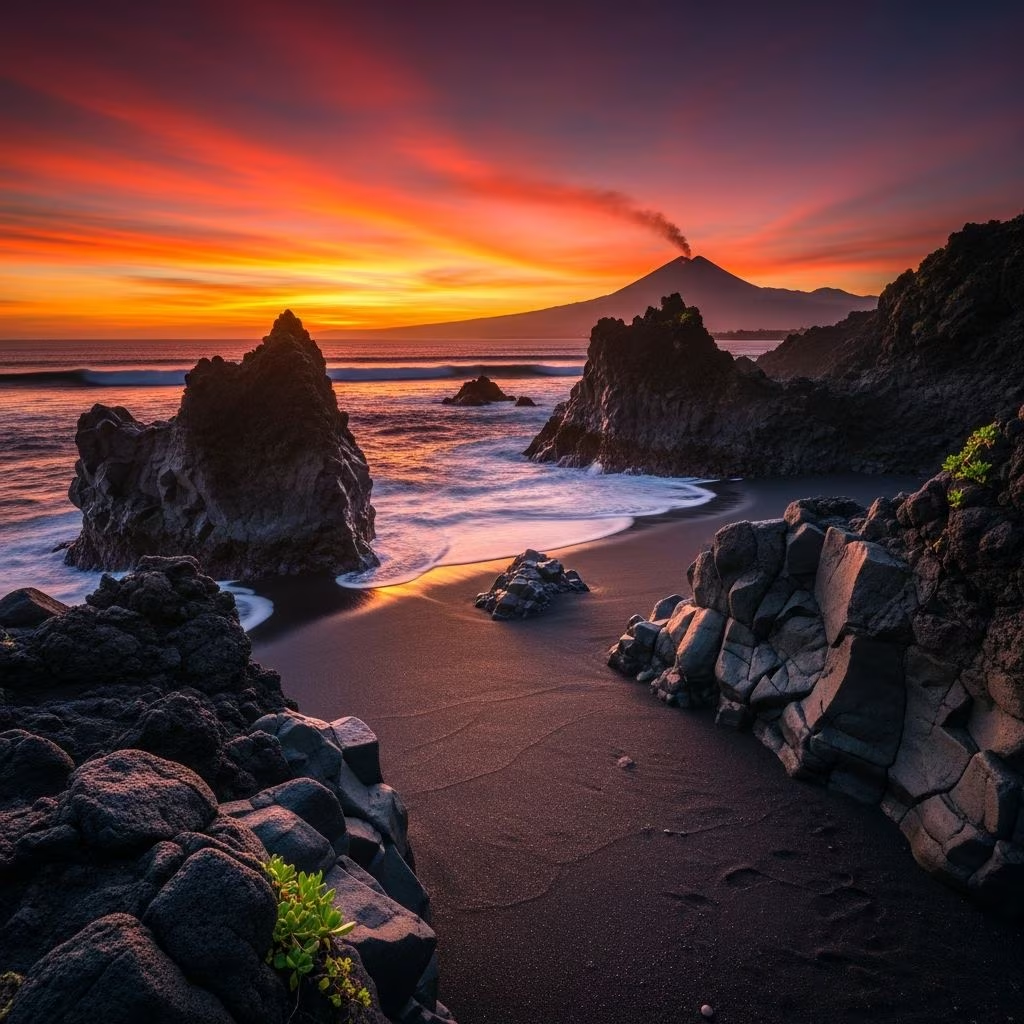
Black sand beaches represent some of Earth’s most distinctive and visually striking coastal environments. Unlike the pristine white sands found on tropical islands worldwide, these ebony shorelines tell a dramatic geological story shaped by millennia of volcanic activity. Travelers seeking unique beach experiences increasingly venture to these extraordinary destinations, drawn by their otherworldly appearance and the scientific phenomena that create them.
The formation of black sand beaches represents a fascinating intersection of geology and oceanography. When molten lava from active or dormant volcanoes reaches the ocean’s surface, it undergoes a rapid and dramatic transformation. The extreme temperature of lava—approximately 1200 degrees Celsius—causes immediate cooling when it contacts seawater, creating a violent chemical reaction that fragments the molten rock into fine particles. This process, known as lava-to-sand conversion, occurs remarkably quickly compared to traditional beach formation mechanisms.
The compositional difference between black and white sand beaches lies in their mineral origins. Black sand primarily consists of basalt, magnetite, and other iron-rich minerals derived from volcanic rock. In contrast, white sand beaches develop through the weathering and breakdown of feldspar and quartz-containing rocks over thousands or even millions of years. This fundamental difference explains why black sand beaches, while geologically young, possess such distinctive visual characteristics that immediately capture travelers’ attention and imagination.
Black sand beaches cluster in specific regions characterized by significant volcanic activity or geological history. The Pacific Ring of Fire contains numerous examples, while Mediterranean volcanic zones and Atlantic island chains also host remarkable specimens. Understanding these geographic concentrations helps travelers plan expeditions to experience multiple black sand destinations within single trips.
| Destination | Region | Primary Appeal | Accessibility | Crowds |
|---|---|---|---|---|
| Punalu’u, Hawaii | Pacific | Sea turtles, warm waters | High | High |
| Karekare, New Zealand | Pacific | Waterfalls, wilderness | High | Medium |
| Reynisfjara, Iceland | Atlantic | Dramatic geology, photography | High | High |
| Perissa, Santorini | Mediterranean | History, organized facilities | High | High |
| Rosalie Bay, Dominica | Caribbean | Sea turtle nesting, solitude | Medium | Low |
| Playa Negra, Costa Rica | Central America | Surfing, rainforest views | Medium | Low |
Black sand possesses distinctive thermal characteristics that differentiate it from conventional beach sand. The dark coloration increases solar absorption, causing black sand to reach higher temperatures than white sand under identical sunlight conditions. This phenomenon means visitors should exercise caution when barefoot, particularly during peak midday hours. However, this same property makes black sand beaches comfortable for evening walks after the sun’s intensity diminishes, and many travelers appreciate the warmth for relaxation during shoulder seasons.
Black sand beaches contain magnetite and iron-rich minerals that distinguish them chemically from white sand compositions. These minerals have attracted scientific interest and folk traditions surrounding purported health benefits, though claims require careful evaluation. The beaches’ dramatic appearance and unique mineral content make them particularly appealing to photography enthusiasts and geology students seeking natural educational opportunities.
Different black sand beach destinations experience distinct seasonal patterns influencing optimal visitation periods. Hawaiian beaches remain warm and accessible year-round but experience higher tourist volumes during winter months. Icelandic black sand beaches showcase their dramatic characteristics throughout the year, though summer provides more manageable weather and extended daylight hours. Mediterranean destinations including Santorini benefit from warm temperatures and calm seas during summer through early autumn. Tropical Caribbean destinations like Dominica offer best conditions during specific windows outside hurricane seasons.
Black sand beaches form through volcanic processes, specifically when lava from active or dormant volcanoes contacts ocean water. The rapid cooling and fragmentation of lava creates fine sand particles rich in iron-based minerals including basalt and magnetite, producing the distinctive dark coloration.
Swimming safety varies significantly by location. Hawaiian black sand beaches with calm waters prove suitable for swimming when conditions are favorable. Iceland’s black sand beaches experience strong surf and cold temperatures making swimming inadvisable. Always research specific beaches and current conditions before entering the water.
Black sand beaches form remarkably quickly through volcanic processes, potentially within years or decades. In contrast, white sand beaches develop through weathering and erosion occurring across thousands or millions of years, making black sand beaches geological infants by comparison.
Punalu’u Beach in Hawaii, Perissa Beach in Santorini, and Karekare Beach in New Zealand offer the highest accessibility through established tourism infrastructure, international airports, and extensive accommodation options. These destinations balance adventure with practical travel conveniences.
Yes. Regional clusters allow multi-destination itineraries, such as exploring multiple Hawaiian islands, visiting several Canary Islands destinations, or combining Mediterranean beaches in Greece with nearby island locations.
As black sand beaches gain popularity, conservation considerations become increasingly important. Turtle nesting areas require protection during breeding seasons, and fragile coastal ecosystems warrant respectful visitor behavior. Many destinations implement guidelines protecting beach vegetation, wildlife, and geological features. Travelers should research local regulations, follow designated paths, and avoid removing volcanic sand samples or disturbing nesting areas.
Black sand beaches present unparalleled photography opportunities due to their dramatic visual contrast and unique geological formations. The juxtaposition of dark sand against turquoise or emerald waters creates striking compositions appealing to both professional and amateur photographers. Coastal cliffs, volcanic formations, and unusual weather patterns in locations like Iceland amplify the photographic potential. Many travelers specifically plan black sand beach visits around photography objectives, making these destinations increasingly popular on social media and travel photography platforms.
Black sand beaches represent remarkable geological phenomena shaped by Earth’s dynamic volcanic systems. From Hawaii’s tropical warmth to Iceland’s dramatic northern landscapes, these destinations offer distinctive experiences impossible to replicate at conventional beach locations. Their relative rarity, striking appearance, and connection to geological forces appeal to travelers seeking deeper engagement with natural environments. Whether pursuing adventure, photography, relaxation, or scientific interest, black sand beaches deliver memorable experiences grounded in Earth’s powerful geological processes. Planning a black sand beach expedition combines travel excitement with appreciation for planetary dynamics that continue shaping our world.
