
 Stays
StaysStays
Blackpool Hotel Fined Guests for Bad Review: What Happened
Explore the infamous Blackpool hotel incident where a couple faced a fine for calling their stay a 'hovel.' Learn legal outcomes, industry impacts, and tips for safe reviewing.
 Stays
StaysIn the world of travel, honest feedback from guests can make or break a hotel’s reputation. But what happens when a property fights back against criticism? A striking incident at a Blackpool establishment highlights the tensions between business owners and online reviewers, raising questions about free speech, contract terms, and consumer protections.
The Incident Unfolds: A Night to Remember for All the Wrong Reasons
During a short getaway to the popular seaside town of Blackpool, a couple checked into a modest hotel expecting relaxation by the sea. Instead, they encountered conditions that prompted them to document their dissatisfaction publicly. Upon departure, they left a scathing review on a major travel site, describing the property in unflattering terms that caught widespread attention.
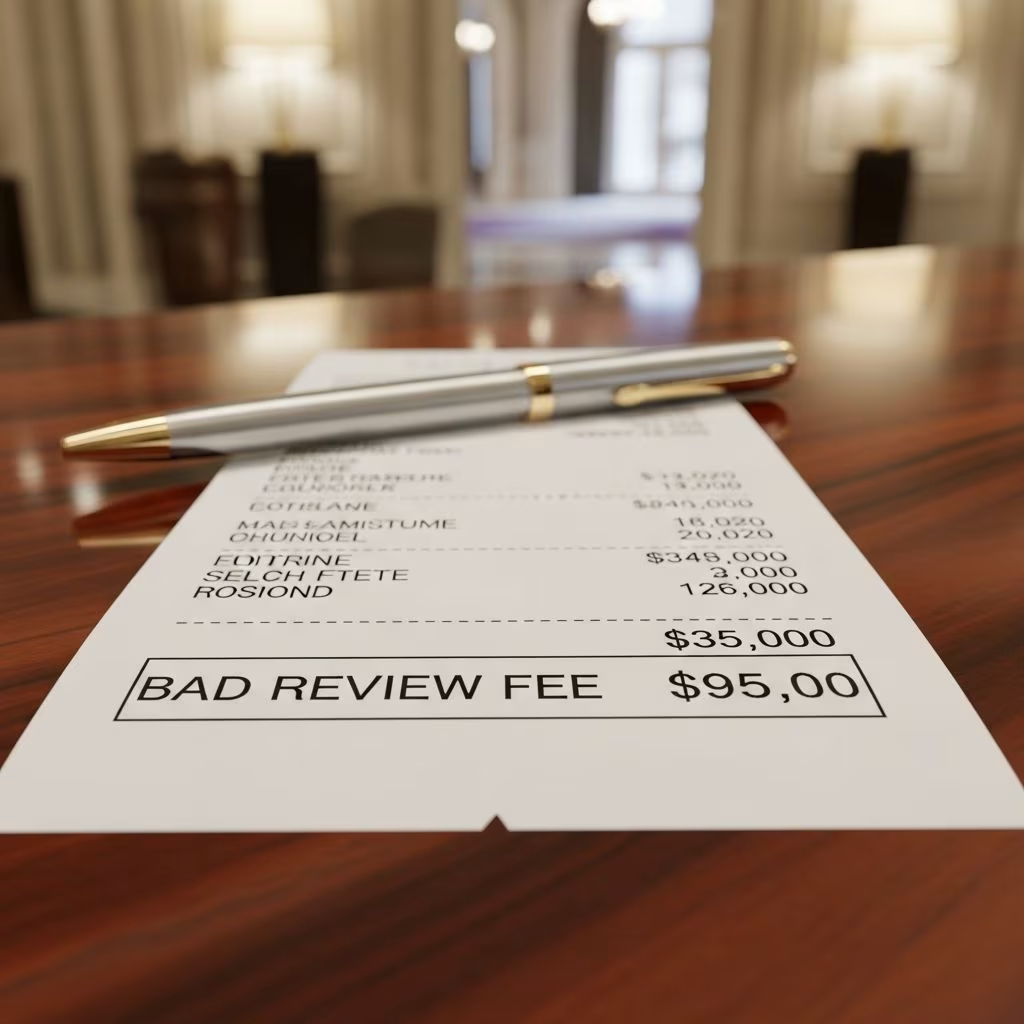
The review detailed issues like poor cleanliness and substandard amenities, terms strong enough to label the place harshly. Unbeknownst to the guests, the hotel had a policy displayed at check-in warning against negative postings, with a penalty attached. Days later, they received a charge for the full amount specified in that policy, turning their vacation memory into a financial dispute.
Understanding Hotel Policies on Guest Feedback
Many accommodations implement terms of stay to manage their online image. These can range from requests for constructive criticism to outright prohibitions on public complaints. In this case, the Blackpool hotel’s notice explicitly threatened a deduction from the guests’ deposit if they posted anything deemed damaging.
Such clauses aim to encourage direct communication with management rather than public shaming. Proponents argue they foster improvements without reputational harm. Critics, however, see them as gag orders that stifle legitimate consumer voices in an era where platforms like TripAdvisor heavily influence bookings.
- Common Policy Types: Some hotels offer incentives for positive reviews, like discounts on future stays.
- Penalty Structures: Fines, deposit withholdings, or bans from future visits.
- Legal Enforceability: Varies by jurisdiction; often challenged as unfair contract terms.
Legal Battle and Resolution
The couple refused to accept the charge quietly. They contested it through their credit card provider, citing unfair practices. Public outcry amplified via media coverage pressured the hotel. Ultimately, the establishment relented, issuing a full refund and closing the controversial policy.
This outcome underscores the power of consumer advocacy. In the UK, organizations like Trading Standards scrutinize such clauses under the Consumer Rights Act 2015, deeming them potentially unenforceable if they limit fair criticism. The case set informal precedents, prompting other properties to rethink similar tactics.
| Aspect | Hotel’s Position | Guests’ Defense | Resolution |
|---|---|---|---|
| Policy Notice | Displayed at reception | Overlooked or unclear | Policy withdrawn |
| Charge Amount | £100 from deposit | Disputed via bank | Full refund issued |
| Public Reaction | Defended initially | Media support | Hotel backed down |
Broader Implications for the Hospitality Industry
This event rippled through the sector, spotlighting the risks of aggressive review management. Hotels worldwide have faced similar backlash, from no-review clauses in Asia to review-buying scandals in Europe. Platforms responded by updating guidelines, prohibiting compensated feedback to maintain authenticity.
For business owners, the lesson is clear: Addressing complaints internally builds loyalty more effectively than penalties. Data shows that responsive properties see rating improvements over time. Travelers benefit from empowered voices, ensuring subpar experiences are flagged for others.
Traveler Rights: What You Need to Know
Arm yourself with knowledge before booking. Check for unusual terms in booking confirmations or on-site signage. If encountered:
- Document everything: Photos, receipts, communications.
- Report to payment providers or consumer bodies immediately.
- Share experiences judiciously, focusing on facts to avoid defamation claims.
In the EU and UK, the Unfair Contract Terms Act protects against one-sided penalties. Globally, platforms like Booking.com have guest advocate teams for disputes.
Alternatives to Negative Reviews: Constructive Paths Forward
Not all feedback needs to go public. Many hotels appreciate private emails detailing issues, often leading to compensations like free upgrades. This approach resolves problems swiftly while giving properties a chance to amend.
- Request management meetings during stays.
- Use hotel apps for real-time reporting.
- Follow up post-stay for goodwill gestures.
The Rise of Review Culture in Modern Travel
Online reviews shape 90% of booking decisions, per industry studies. They democratize information but invite abuse from fake posts. Hotels invest in reputation management services, analyzing sentiment and responding promptly.
Balanced feedback—highlighting positives alongside critiques—earns more credibility. Travelers who do so often receive direct apologies or offers, turning negatives into positives.
Case Studies: Similar Disputes Around the World
This Blackpool saga isn’t isolated. In the US, a Florida hotel attempted lawsuit threats over a 1-star review, dropped after publicity. Australian properties have banned guests for complaints, facing fines from regulators. Each reinforces that transparency trumps suppression.
Protecting Yourself from Review Retaliation
Pro tips for safe sharing:
- Be Factual: Stick to verifiable experiences, avoiding emotional hyperbole.
- Multiple Platforms: Post across sites for visibility.
- Legal Backup: Know local consumer laws; in the UK, contact Citizens Advice.
- Anonymity Options: Some sites allow pseudonyms.
FAQs: Common Questions on Hotel Review Disputes
Q: Can hotels legally charge for bad reviews?
A: Rarely; most jurisdictions view it as an unfair term. Check local laws.
Q: What if a hotel withholds my deposit?
A: Dispute via bank or credit card chargeback process promptly.
Q: Should I delete a review if threatened?
A: No—stand firm and seek advice from consumer groups.
Q: How do review sites handle retaliation claims?
A: They investigate and may remove retaliatory policies from listings.
Q: What’s the best way to complain without public posts?
A: Email management first, escalating if unresolved.
Lessons for Hoteliers: Embracing Criticism
Forward-thinking owners train staff on service recovery, turning detractors into promoters. Tools like review monitoring software help track and respond. Ultimately, quality trumps control.
This incident, now over a decade old, remains a cautionary tale. It reminds us that in travel, trust is earned through actions, not enforced silence.
References
- Couple refunded over ‘hovel’ jibe after fine over hotel review — RTE. 2014-11-20. https://www.rte.ie/news/2014/1120/661003-hotel-bad-review-fine/
- UK Hotel Fines Couple for ‘Stinking’ Review — Naharnet. 2014-11-20. https://www.naharnet.com/stories/en/156073-uk-hotel-fines-couple-for-stinking-review
- Couple Charged for Negative Hotel Review — Woman’s Day. N/A. https://www.womansday.com/life/a49065/couple-charged-for-negative-hotel-review/
On This Page
The Incident Unfolds: A Night to Remember for All the Wrong Reasons Understanding Hotel Policies on Guest Feedback Legal Battle and Resolution Broader Implications for the Hospitality Industry Traveler Rights: What You Need to Know Alternatives to Negative Reviews: Constructive Paths Forward The Rise of Review Culture in Modern Travel Case Studies: Similar Disputes Around the World Protecting Yourself from Review Retaliation FAQs: Common Questions on Hotel Review Disputes Lessons for Hoteliers: Embracing Criticism← Previous
El Tatio Geyser Tragedy in Chile: Safety Lessons for Travelers
Next →
Top Royal Destinations with Active Monarchies to Visit
Related Reading