

 Travel Essentials
 Travel Essentials

Discover how to experience the Blue Ridge Parkway's most iconic destinations, scenic overlooks, and mountain attractions across five unforgettable days of driving.
 Travel Essentials
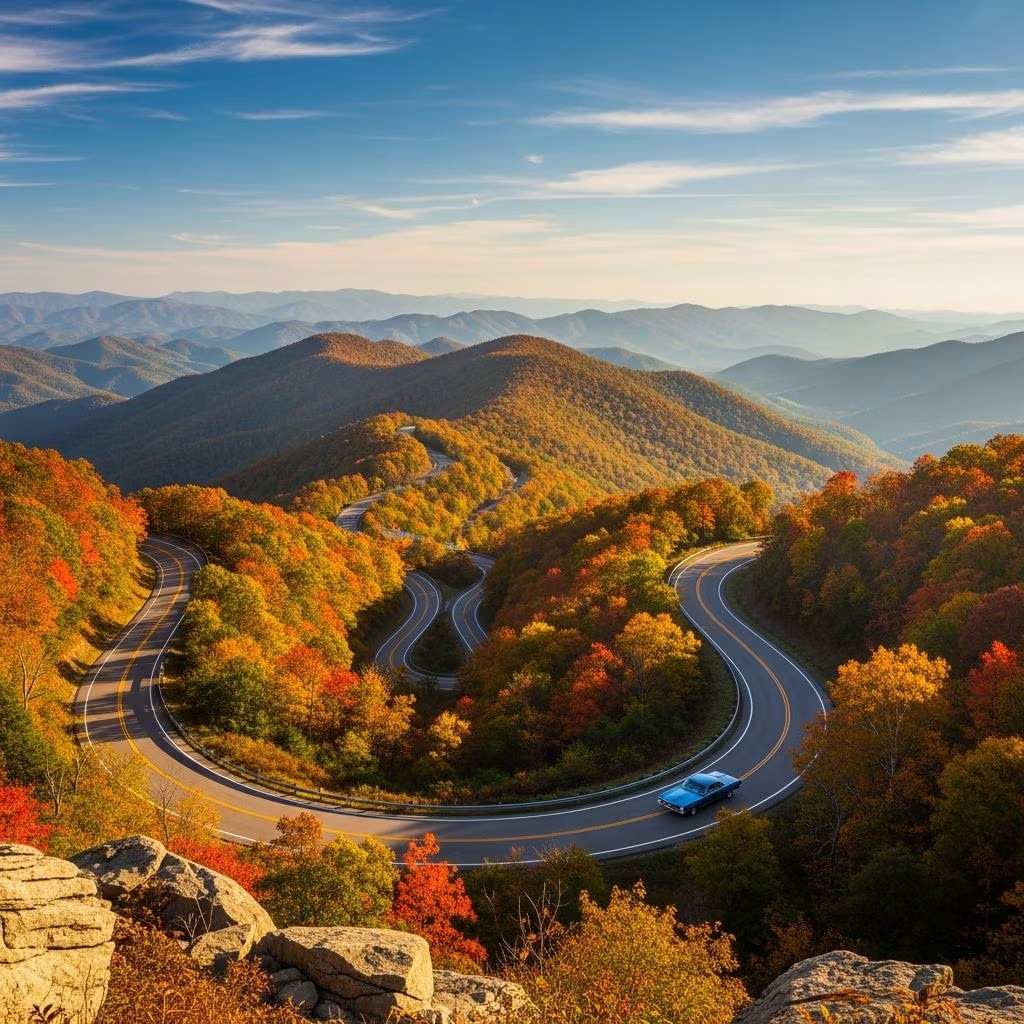
The Blue Ridge Parkway stands as one of the most celebrated scenic routes in the United States, stretching approximately 469 miles through the heart of Appalachia. This magnificent corridor winds through the Blue Ridge Mountains, connecting two of America’s most treasured national parks while offering travelers an unparalleled journey through some of the nation’s most breathtaking landscapes. Whether you’re a seasoned road-tripper or embarking on your first mountain adventure, this comprehensive guide will help you maximize your experience along this iconic byway.
Before venturing onto the Parkway, it’s essential to understand what makes this drive unique. Unlike typical highways with frequent intersections and commercial development, the Blue Ridge Parkway maintains a pristine, undeveloped character that feels worlds away from everyday traffic. The route features no stop signs or traffic lights along its entire length, creating an uninterrupted flow through mountain terrain. However, this scenic advantage requires careful attention to driving conditions and safety considerations.
The Parkway’s speed limits typically cap at 45 mph, with frequent reductions to accommodate sharp curves and steep inclines characteristic of mountainous terrain. Rather than viewing this restriction as a limitation, savvy travelers recognize it as an invitation to slow down and absorb the landscape. Expect to cover approximately 30 miles per hour when accounting for natural driving pace, road conditions, and the temptation to stop at scenic pullouts that emerge around nearly every bend.
Success on the Blue Ridge Parkway begins with proper preparation. Mountain driving differs substantially from highway travel, demanding heightened awareness and vehicle readiness. Narrow shoulders, limited sight distances, and steep grades characterize much of the route, particularly in higher elevations. If you’re unaccustomed to mountain driving, take time to acclimate yourself to these conditions before tackling longer segments.
Vehicle maintenance takes on added importance when traversing mountain roads. Ensure your brakes are in excellent condition, tires have adequate tread depth, and fluid levels are topped off before departure. The Parkway itself has limited services, making roadside assistance potentially challenging in remote areas. Additionally, remain vigilant for wildlife crossing, cyclists navigating the route, and occasional rockslides that can affect driving conditions.
Starting Point and Preliminary Exploration
Your Blue Ridge Parkway adventure begins in Crozet, Virginia, strategically positioned just 10 minutes from the Parkway’s northern entrance at Rockfish Gap. This small town serves as the perfect launching point, offering opportunities to fuel up your vehicle and stock supplies before entering the mountain wilderness. Crozet’s central location between Charlottesville and Waynesboro provides a convenient convergence point for travelers originating from different directions.
Before officially entering the Parkway, consider exploring the Blue Ridge Tunnel Trail, a 427-foot-long underground passage that runs beneath Afton Mountain. This unique historical feature offers an intriguing introduction to the region’s mining heritage and engineering accomplishments, providing a memorable warm-up hike before committing to several hours of mountain driving.
The First Segment: Ridge Region Highlights
Upon entering at Rockfish Gap, you’ll embark on a 120-mile journey through the Ridge Region, consuming approximately 3.5 hours of driving time. Just beyond the entrance, the Humpback Rocks visitor center emerges as your first significant stop. Here, a reconstructed 1890s mountain farm offers authentic insights into Appalachian life during the late 19th century. The center features three hiking trails accommodating various skill levels, from leisurely walks to more challenging climbs. These trails provide excellent opportunities to stretch your legs and experience the forest ecosystem up close.
As you continue southward, the Parkway reveals its visual treasures. Key overlooks reward stopping: Greenstone Overlook at milepost 8 presents expansive valley vistas, Yankee Horse Ridge at milepost 34 offers additional panoramic perspectives, and Thunder Ridge at milepost 74 delivers dramatic mountain views. Each pullout provides distinct photographic opportunities and chances to decompress from driving.
By milepost 89, plan your lunch break at Peaks of Otter, a notable facility where dining options and visitor amenities await. This location marks an excellent midpoint pause, allowing you to refuel both vehicle and body before tackling the afternoon’s drive toward Roanoke.
Roanoke’s Urban Mountain Interface
Day two encompasses 79 miles through the Plateau Region, stretching from Roanoke to Galax near the Virginia-North Carolina border. This segment requires approximately 2.5 hours of driving time, though strategic stops will extend your experience. Begin by entering the Parkway at milepost 120 and ascending Mill Mountain Spur Road, where you’ll encounter the world’s largest man-made free-standing star. This iconic landmark offers distinctive views of Roanoke’s urban landscape positioned against the surrounding mountains, creating an interesting juxtaposition of civilization and wilderness.
Cultural and Historical Attractions
Continuing southward, Cahas Knob and Devil’s Backbone overlooks at mileposts 139 and 143 respectively provide exceptional vista points worthy of extended stops. Further along, milepost 176 introduces Mabry Mill, a restored gristmill facility featuring historical exhibits focused on sawmill operations and blacksmith crafts. The adjacent Rocky Knob Visitor Center complements these attractions, offering interpretive programs that contextualize the region’s industrial heritage within the broader landscape.
The Blue Ridge Music Center at milepost 213 represents a cultural cornerstone along the route, dedicated to preserving and celebrating regional musical traditions. This performing arts venue showcases American roots music through exhibitions and live performances by local musicians, providing windows into Appalachian cultural identity. Consider timing your visit to coincide with scheduled performances, which enhance the authenticity of your engagement with regional traditions.
Exit the Parkway at milepost 199 to explore Carroll County, an area renowned for mountain vistas and bluegrass heritage. This detour offers opportunities to experience authentic mountain communities beyond the Parkway corridor, enriching your cultural immersion.
Elevation Gain and Landscape Transition
Day three’s 94-mile journey through the Highlands Region introduces more dramatic elevation changes as you cross into North Carolina. This approximately three-hour drive marks a noticeable transition in landscape character and visual intensity. Beginning at the Fancy Gap entrance (milepost 199), head south toward Cumberland Knob at milepost 217, where the Blue Ridge Parkway’s construction commenced in 1935. This location holds historical significance as the birthplace of a New Deal initiative designed to provide employment and infrastructure development during the Great Depression recovery period.
The elevated terrain encountered throughout this segment demands increased driving focus and heightened awareness. Grades become steeper, curves tighter, and the mountain environment more immersive. Resist the temptation to rush, instead embracing the Parkway’s measured pace that encourages observation and appreciation of the surrounding peaks and valleys.
Linn Cove Viaduct: An Architectural Wonder
The 89-mile segment on day four continues through the Highlands and into the Pisgah Region, concluding in Asheville after approximately three hours of driving. The centerpiece of this day’s journey is undoubtedly the Linn Cove Viaduct at milepost 304, an engineering masterpiece that gracefully curves around Grandfather Mountain’s precipitous face. This 1,243-foot concrete bridge represents one of the most photographed sections of the entire Parkway, earning justified acclaim for its architectural elegance and dramatic mountain positioning.
The viaduct area includes a dedicated bridge museum and visitor center, providing interpretive information about the engineering solutions required to construct this innovative structure while minimizing environmental impact. A Natural History Museum, gift shop, and restaurant on-site extend opportunities for education and refreshment.
Final Destination Exploration
If energy and daylight permit, the Craggy Gardens area at milepost 364 delivers postcard-quality vistas, particularly during early summer when rhododendrons burst into brilliant bloom. The final push to Asheville at milepost 382 concludes your fourth day’s adventure at the official Blue Ridge Parkway headquarters, a town that serves as the cultural and logistical heart of the entire region.
Elevated Terrain and Mountain Majesty
Your final driving day encompasses 87 miles heading southwest from Asheville toward Cherokee, aimed at the Great Smoky Mountains gateway. This conclusion features some of the Parkway’s highest elevations, with consistent altitudes exceeding 5,000 feet. Mount Pisgah at milepost 408 marks a notable final stop, featuring hiking trails and the Pisgah Inn restaurant where you can savor mountain vistas while enjoying your meal.
This segment represents the culmination of your Parkway experience, offering opportunities to reflect on the landscape’s grandeur while anticipating the transition toward the Great Smoky Mountains region.
The Blue Ridge Parkway features approximately 272 overlooks distributed along its length, averaging roughly one scenic pullout every 1.7 miles. This density of viewing opportunities means stunning vistas consistently emerge around upcoming curves. Rather than attempting to stop at every location, develop a strategy that balances comprehensive experience with driving efficiency. Notable overlooks worthy of dedicated stops include Terrapin Mountain Overlook (MP 72.6) and Arnold Valley Overlook (MP 75.2), each offering distinct perspectives and sunset viewing opportunities.
Timing your Blue Ridge Parkway journey strategically enhances visual rewards. Late May through mid-June showcases vibrant wildflower displays across the mountain landscape. Conversely, mid-September through mid-October delivers the region’s famous fall foliage, with yellow and orange hues creating landscape artwork visible across vast distances. Spring and autumn typically provide the most comfortable driving temperatures and optimal visibility, though each season offers distinct aesthetic advantages.
Success on the Blue Ridge Parkway depends partly on realistic expectations and thorough preparation. Pack adequate snacks, beverages, and entertainment for potentially lengthy drives between attractions. Download offline maps covering the route, as cellular service varies significantly throughout mountainous terrain. Bring layers of clothing suitable for rapid temperature fluctuations common in elevated environments.
Research specific attraction hours and seasonal closures before departure, as some facilities operate seasonally or maintain limited schedules. Additionally, establish backup routes between major towns in case unexpected road conditions or emergencies require detours from the Parkway proper.
The Blue Ridge Parkway offers transformative mountain experiences that extend far beyond simple sightseeing. This five-day itinerary provides a balanced framework for engaging with the region’s natural wonders, cultural heritage, and historical significance. By embracing the Parkway’s measured pace, respecting its mountain environment, and remaining open to unexpected discoveries, you’ll accumulate memories that endure long after returning home. Whether you’re seeking solitude in nature, family adventure, or cultural exploration, the Blue Ridge Parkway delivers unforgettable mountain experiences that justify its reputation as America’s favorite drive.
