

 Travel Essentials
 Travel Essentials

Explore the five Blue Zones—regions with remarkable longevity—and learn the proven lifestyle factors like plant-based eating, natural activity, and strong social ties that enable people to thrive into their 100s.
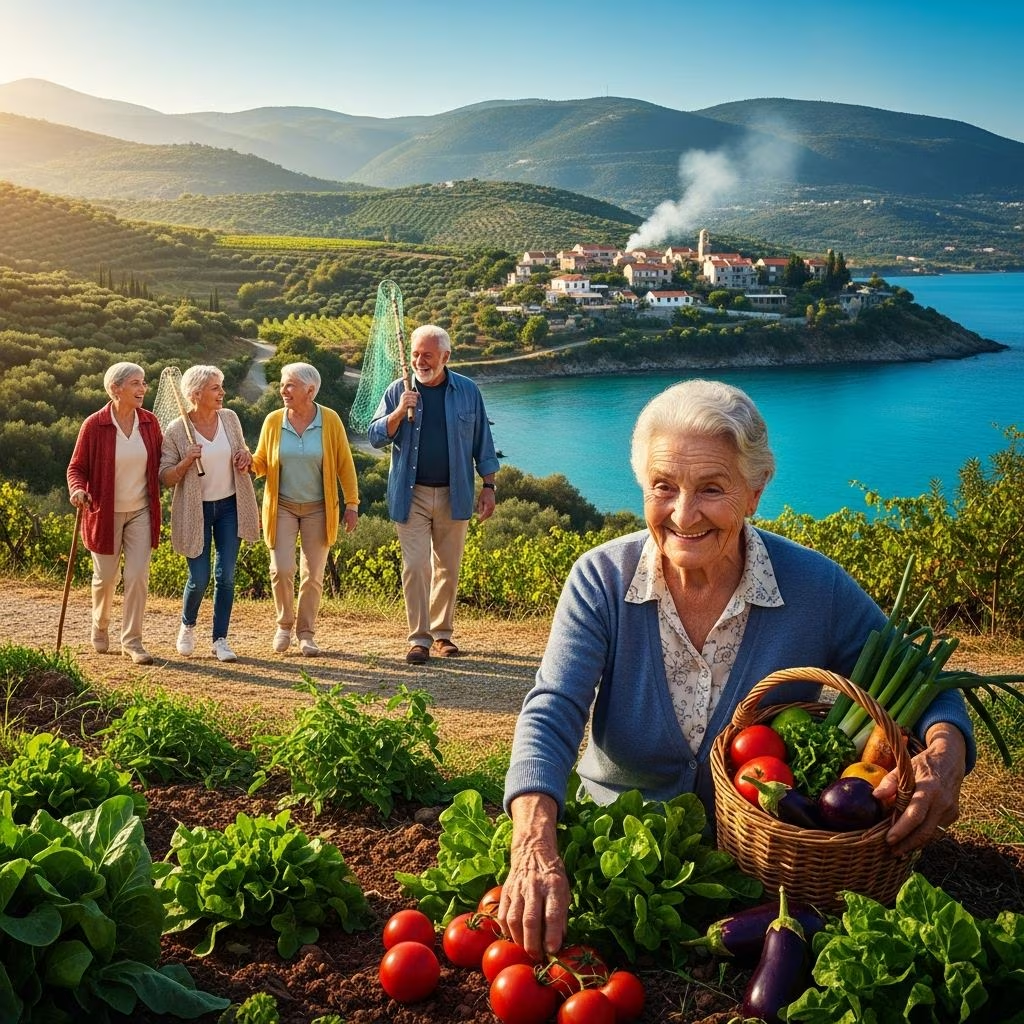 Travel Essentials
Blue Zones represent remarkable pockets of the world where individuals not only reach advanced ages but do so with vitality and minimal chronic illness. These areas, identified through rigorous demographic studies, showcase life expectancies often exceeding the global average by years, with centenarians—those over 100—far more common than elsewhere.
The term “Blue Zones” emerged from research marking longevity hotspots on maps with blue ink, highlighting regions where residents live 7-10 years longer than typical populations, alongside dramatically reduced rates of heart disease, cancer, diabetes, and dementia. Unlike places relying on advanced medicine, these communities thrive due to everyday practices supported by science, as noted by experts like Dr. Walter Willett from Harvard.
Genetics contribute only 20-30% to lifespan; the rest stems from environment, diet, and lifestyle, making Blue Zones blueprints for anyone seeking extended health. Their lessons influence public health worldwide, proving that simple changes can mimic these outcomes anywhere.
Researchers pinpointed five primary Blue Zones through birth records, epidemiological data, and on-site studies. Each offers unique cultural flavors but shares core principles driving longevity.
Dan Buettner’s team distilled nine shared traits, dubbed the Power 9, from Blue Zone analyses. These evidence-backed factors explain 80% of longevity variance and are adaptable globally.
| Principle | Description | Key Benefits |
|---|---|---|
| Move Naturally | Daily chores like walking, gardening replace gym sessions. | Reduces heart disease; Sardinian men on steep slopes live longer. |
| Purpose (Ikigai/Plan de Vida) | Sense of why one wakes up daily. | Lowers mortality by 7%; Okinawans add 7 extra years. |
| Downshift | Stress relief via prayer, naps, or happy hours. | Ikarians nap daily, halving heart issues. |
| 80% Rule (Hara Hachi Bu) | Stop eating when 80% full. | Calorie restriction linked to longer life in studies. |
| Plant Slant | 95% plant-based; meat rare (5x/month). | Cuts cancer/heart risks; whole foods dominate. |
| Wine at 5 | Moderate alcohol with friends/food. | 1-2 glasses daily correlates with longevity. |
| Belong | Faith-based communities add 4-14 years. | Adventists exemplify this. |
| Loved Ones First | Family priority; elders at home. | Grandparents caring for kids live longer. |
| Right Tribe | Social circles (moai) reinforce health. | Positive networks prevent obesity. |
Blue Zone diets emphasize whole, unprocessed plants: beans, greens, grains, nuts, and fruits form 95% of intake, with minimal meat. Studies affirm this slashes chronic disease risks—e.g., high bean consumption correlates with 8-year lifespan gains.
Okinawans historically ate in deficit pre-1960s, mirroring monkey studies where 30% fewer calories extended life. Ikarians favor potatoes, olive oil, wild greens.
Blue Zonians embed activity in life—no gyms needed. Sardinians hike hills herding sheep; Okinawans garden till 100. This natural exercise builds resilience without burnout.
Sleep prioritizes body cues over clocks: 7 hours optimal per meta-analyses, with naps common. Irregular schedules align with circadian needs, boosting health.
Strong ties define Blue Zones. Multi-generational homes foster support; low divorce rates add years. Okinawan moai—lifelong friend groups—buffer stress and model behaviors.
Faith communities provide belonging, rituals for downshifting. Purpose (ikigai) combats early death; Nicoyans’ “plan de vida” sustains them.
Projects like Blue Zones initiatives transform U.S. towns by redesigning for walking, community gardens, and policy nudges toward Power 9. Individuals start with one change: add beans, walk more, build moai.
Evidence shows these habits work universally—plant diets reduce mortality; social networks predict health. Harvard affirms: Blue Zones practice proven behaviors exceptionally well.
A Blue Zone is a region with unusually high rates of centenarians and low chronic disease, identified via demographic research.
Yes—adopt Power 9 habits; communities worldwide succeed via Blue Zones projects.
Immensely: 95% plant-based diets link to lower cancer/heart risks in large studies.
Natural movement is crucial; genetics minor. Hilly living adds years.
Moderately, socially—1-2 glasses wine daily with meals.
