

 Travel Essentials
 Travel Essentials

Explore Bluffton, South Carolina's artistic culture, historic sites, outdoor adventures, and local dining scene in this comprehensive travel guide.
 Travel Essentials
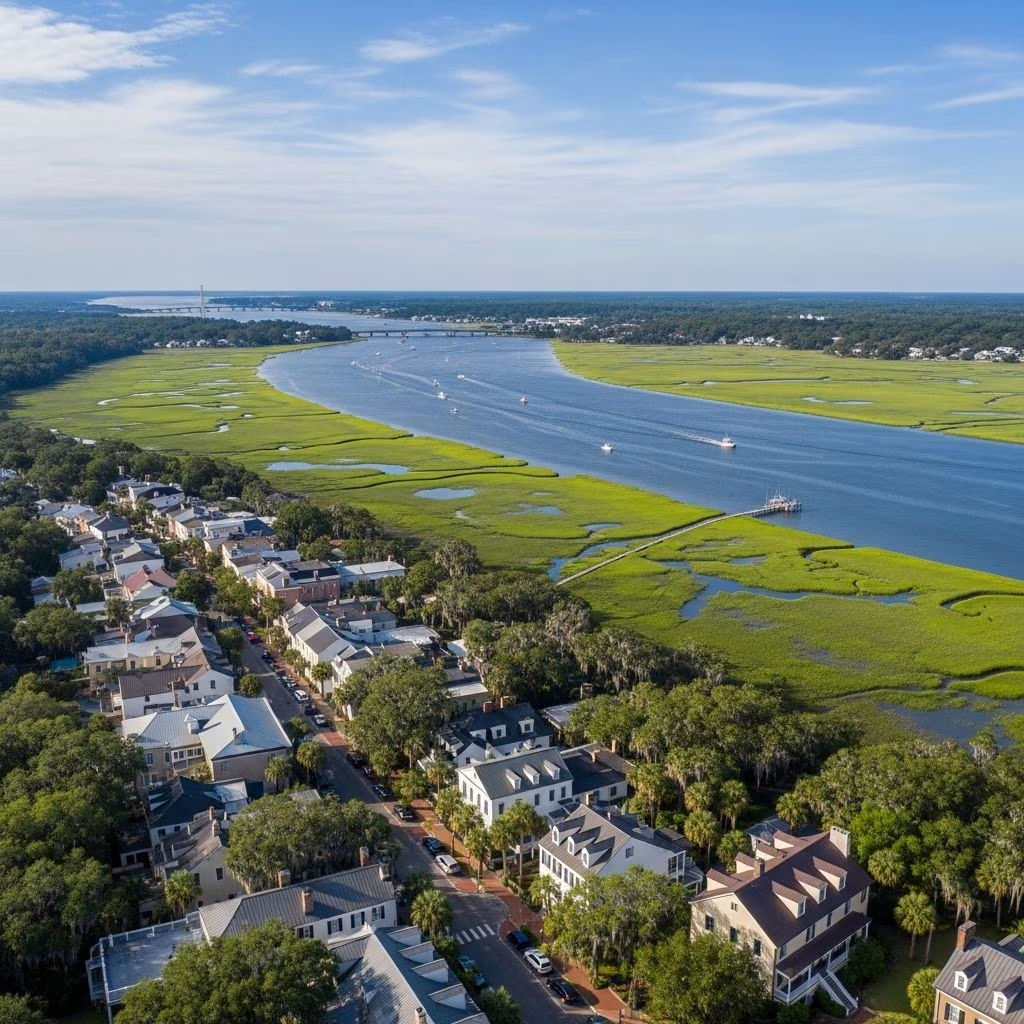
Nestled in Beaufort County along the southernmost coastal region of South Carolina, Bluffton represents one of the Southeast’s most enchanting destinations for travelers seeking authentic Southern charm combined with natural beauty and cultural richness. The town has earned recognition as the heart of the Lowcountry, a designation rooted in its distinctive landscape, architectural heritage, and the warm hospitality of its residents. Unlike many tourist destinations that prioritize commercialization, Bluffton maintains an intimate character that appeals to visitors searching for genuine experiences rather than manufactured attractions.
The town’s location places it within a region renowned for tidal creeks, salt marshes, and maritime forests that define the Lowcountry aesthetic. Spanish moss drapes the region’s mature oak trees, creating the visual signature most associated with coastal South Carolina. This natural environment has shaped settlement patterns dating back centuries, influencing everything from architecture to cuisine to community traditions. The May River, which borders the town and provides panoramic views throughout the downtown area, serves as both a geographical landmark and a cultural symbol of Bluffton’s identity.
Visitors frequently describe Bluffton as embodying a particular state of mind—one characterized by peaceful contemplation, genuine kindness from locals, and an appreciation for authentic cultural expression. The architectural landscape reflects this philosophy, featuring a harmonious blend of restored historic structures alongside thoughtfully designed contemporary buildings that respect the town’s character. This respectful approach to development has helped Bluffton avoid the overdevelopment that has transformed many comparable destinations.
Bluffton’s historical significance centers on its collection of well-preserved antebellum structures that provide windows into 19th-century Lowcountry life. The Heyward House Historic Center, constructed in 1840, stands as one of only eight remaining antebellum homes in the immediate area. Originally built as a summer residence by a local plantation owner, the structure maintains its original appearance despite the passage of over 170 years. The property encompasses not only the main residence but also surviving slave cabins and a summer kitchen, creating a comprehensive historical landscape that modern visitors can explore and contemplate.
The Heyward House serves multiple functions for contemporary travelers. Beyond its role as a museum, it functions as the official welcome center for Bluffton, providing maps, brochures, and orientation information for newcomers. The staff offers guided tours that illuminate the daily lives of residents across social strata, providing context for understanding the region’s complex history. The house’s location within the Historic District enables visitors to combine their visit with walking explorations of surrounding streets.
The Historic District Walking Tour provides an unstructured way to discover the town’s architectural and cultural heritage. The Heyward House Museum supplies detailed guides that direct walkers through downtown Bluffton’s significant streets, highlighting historically important churches, residences, and commercial buildings that have shaped community development. This self-guided approach allows visitors to set their own pace and spend extended time at locations that particularly capture their interest. The tree-lined streets themselves contribute to the experience, with mature vegetation providing both aesthetic appeal and practical shade during warmer months.
Calhoun Street functions as the nucleus of Bluffton’s artistic identity, housing numerous galleries that showcase work by local and regional artists representing diverse styles and mediums. The street’s architecture itself—featuring restored plantation-style homes and historic cottages—creates an atmospheric setting for art exploration. Galleries operate throughout the year, though many expand their hours and offerings during peak tourism seasons. The curatorial approach taken by gallery operators emphasizes unique pieces rather than mass-produced commercial goods, ensuring that visitors encounter work unlikely to appear in national chain establishments.
Beyond static gallery spaces, Calhoun Street hosts dynamic cultural programming that activates the streetscape. The Bluffton Farmer’s Market, held every Thursday during spring and summer months, transforms the street into a vibrant gathering place. Local vendors offer produce picked that morning, artisanal jams and honey, baked goods, prepared foods, and handcrafted items that reflect the region’s agricultural and culinary traditions. The market functions as both a practical resource for residents and a cultural experience for visitors seeking authentic encounters with local food producers.
The town’s arts scene extends beyond visual media to performance and interactive experiences. Theater productions, music performances, and cultural festivals bring community members together while welcoming visitors into shared celebrations of creativity and heritage.
Bluffton’s natural setting provides numerous opportunities for outdoor activity and environmental immersion. The New River Linear Trail, accessible via South Carolina Route 46, offers a 3.4-mile walking experience that terminates at the New River’s banks. The grass trail maintains a generally flat profile, accommodating walkers of varying fitness levels. Hikers encounter spectacular scenery including hardwood forests and swampland ecosystems that support diverse wildlife populations. Turkeys, deer, and waterfowl represent common sightings, while long-abandoned rice fields—remnants of the area’s agricultural history—provide historical context for the landscape.
The Victoria Bluff Heritage Preserve and Wildlife Management Area features four miles of interconnected walking paths and firebreaks that navigate through diverse botanical environments. The preserve’s management emphasis on hunting requires temporary closures from October through December, so visitors should plan accordingly. The terrain generally favors accessibility, though appropriate footwear and insect protection enhance the experience. The preserve’s botanical diversity makes it particularly attractive to naturalists, photographers, and anyone seeking intimate engagement with native ecosystems.
Kayaking expeditions on the New River provide alternative perspectives on the landscape, allowing water-level observation of the rice fields that formerly dominated the region’s agricultural economy. Paddlers gain appreciation for the tidal dynamics that shape the ecosystem and understand why early settlers recognized the area’s economic and strategic value.
Bluffton’s culinary scene emphasizes seafood, regional traditions, and farm-to-table principles that connect diners with local producers and seasonal availability. The town’s location near productive waters ensures access to fresh catches, while proximity to agricultural operations provides high-quality produce and artisanal products. Dining establishments range from casual venues featuring traditional Lowcountry fare to upscale restaurants offering refined interpretations of regional cuisine. Many restaurants highlight locally sourced ingredients prominently on their menus, enabling diners to understand the connections between place, production, and consumption.
The farm-to-table movement has gained particular traction in Bluffton, with chefs developing relationships with local farmers and food producers who supply seasonal ingredients. This approach not only improves food quality and flavor but also supports the regional agricultural economy and reduces environmental impacts associated with long-distance food transportation. Visitors seeking authentic culinary experiences should inquire about chef recommendations for seasonal specialties and producer features.
Retail experiences in Bluffton differ markedly from national chain stores that dominate many American downtowns. Independent boutiques throughout the town offer curated selections of goods sourced from regional artisans, designers, and producers. These establishments emphasize quality, uniqueness, and the stories behind individual pieces or products. Shopping becomes an activity intertwined with cultural discovery, as proprietors often possess detailed knowledge about their inventory and enthusiasm for sharing that information with interested customers.
This approach to retail commerce reflects and reinforces Bluffton’s commitment to maintaining distinctive local character. Rather than becoming a generic shopping destination, the town’s commercial landscape remains distinctly rooted in place, featuring products and services that express regional identity and support local economic activity.
Bluffton’s subtropical climate creates distinct seasonal experiences that influence visitor comfort and available activities. Spring and early fall offer pleasant temperatures and lower humidity compared to summer months, when heat and moisture can challenge outdoor enthusiasts. The Bluffton Farmer’s Market operates specifically during spring and summer months, making these seasons optimal for visitors interested in agricultural products and market experiences. Late autumn through early winter brings cooler, more comfortable conditions, though some outdoor activities become restricted due to hunting season closures.
Bluffton provides diverse lodging alternatives accommodating various budgets and preferences. Options range from historic bed-and-breakfast establishments that emphasize local hospitality to contemporary hotels offering modern amenities. Many properties emphasize proximity to downtown attractions, reducing transportation needs and enabling pedestrian exploration. Visitors should book accommodations well in advance during peak tourism seasons to ensure preferred availability.
The compact downtown area lends itself to walking exploration, with most historic sites, galleries, and dining venues concentrated within a walkable radius. Parking is generally available though sometimes limited during peak hours or events. For visitors wishing to explore outlying attractions like nature preserves and hiking trails, personal vehicles provide the most convenient access, though some tour operators offer guided experiences that eliminate navigation concerns.
| Attraction | Type | Key Features | Best Season |
|---|---|---|---|
| Heyward House Historic Center | Historic Site | 1840s mansion, slave cabins, museum | Year-round |
| Calhoun Street | Arts & Shopping | Galleries, boutiques, farmer’s market | Spring-Summer |
| New River Linear Trail | Outdoor Activity | 3.4-mile walking path, wildlife viewing | April-September |
| Victoria Bluff Preserve | Nature Preserve | 4 miles of trails, botanical diversity | January-September |
| Historic District Walking Tour | Cultural Experience | Self-guided architectural tour | Year-round |
| Kayaking on New River | Water Recreation | Historic rice field viewing, paddling | April-October |
Spring (March-May) and early fall (September-October) offer ideal conditions with pleasant temperatures and lower humidity. These seasons also align with the Bluffton Farmer’s Market schedule and various cultural events.
A weekend visit provides sufficient time to explore major attractions, though longer stays enable deeper engagement with the artistic community, outdoor recreation, and cultural experiences. Many travelers find themselves extending visits as they discover aspects of the town not initially anticipated.
Yes, Bluffton offers attractions suitable for visitors across age ranges, including outdoor trails, nature exploration, historic sites, and shopping venues. Kayaking and walking trails accommodate families with children, while the farmer’s market provides engaging experiences for all ages.
The downtown area is walkable, but a vehicle provides greater flexibility for accessing nature preserves and distant attractions. Many hotels offer information about nearby rental services for visitors arriving without personal transportation.
The diverse restaurant scene accommodates various dietary approaches, though visitors with specific restrictions should inquire in advance. Farm-to-table establishments can often accommodate customized requests based on available seasonal ingredients.
Bluffton represents a destination that rewards visitors who prioritize authentic cultural engagement over conventional tourism activities. The town’s commitment to preserving historical character, supporting local artisans and businesses, and maintaining environmental integrity creates an experience fundamentally different from mass-market tourist destinations. Whether spending a weekend exploring historic structures and art galleries, kayaking through wetland ecosystems, or conversing with local shopkeepers about their curated goods, visitors consistently find that Bluffton delivers the genuine Southern experience they sought. The town’s modest size should not diminish its appeal; rather, it contributes to an intimate quality that enables meaningful connection with place and people.
