

 Travel Essentials
 Travel Essentials

Discover efficient ways to traverse Bogota using TransMilenio, SITP buses, taxis, Uber, walking paths, and cycling routes. Essential tips for visitors.
 Travel Essentials
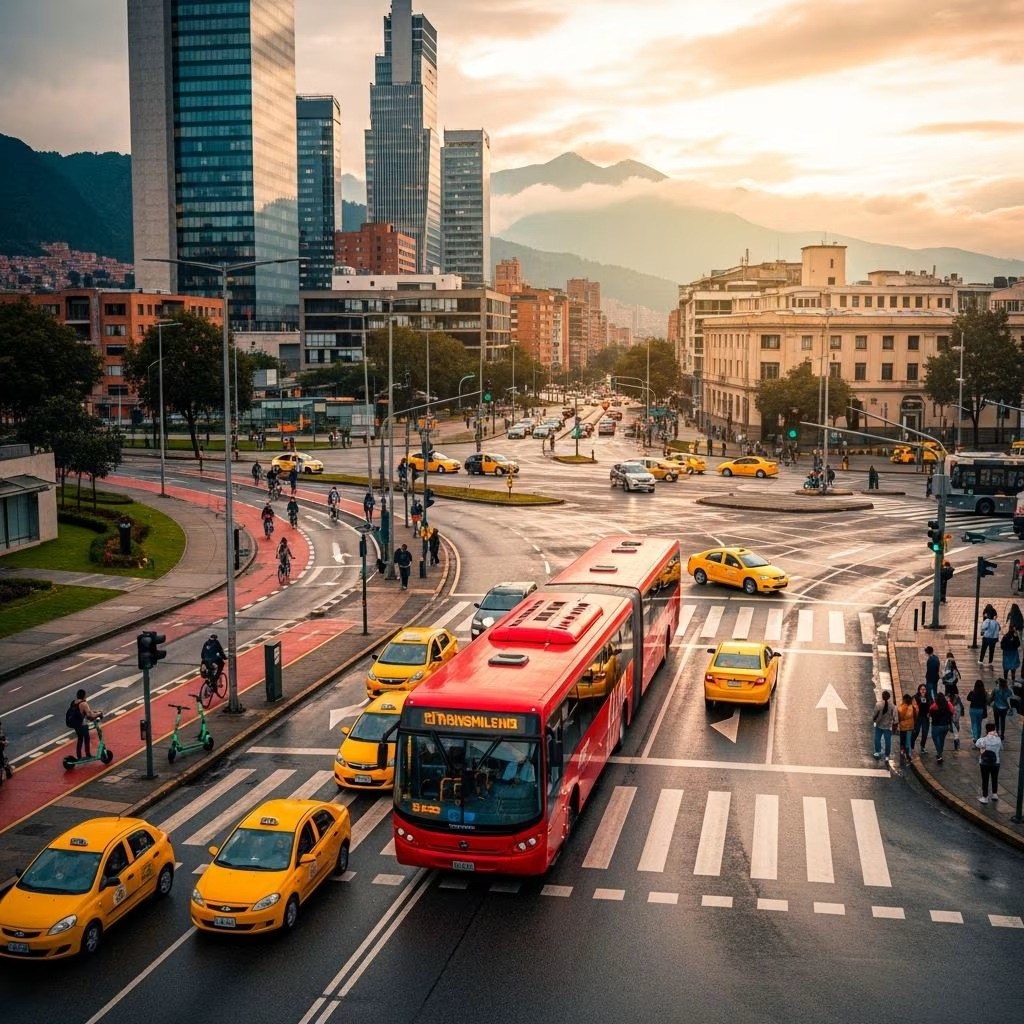
Bogota, Colombia’s bustling capital, spans a vast area with challenging traffic, but a robust network of public transport, rideshares, and active options makes movement straightforward for visitors. This guide details every method, from high-speed bus systems to safe taxi rides, ensuring you reach attractions like La Candelaria, Monserrate, and modern neighborhoods effortlessly.
Bogota lacks a subway but compensates with an innovative bus rapid transit (BRT) system called TransMilenio, operational since 2000, which mimics metro efficiency on dedicated lanes. Complementing it are SITP buses that cover residential and peripheral areas. Together, they form an integrated network powered by the Tullave card, costing around COP 2,900-2,950 per trip—under US$1—making it budget-friendly for daily use.
Routes operate from early morning to late evening, with adjustments on weekends. Apps like Moovit or TransmiSitp simplify planning by mapping lines, stops, and real-time arrivals.
TransMilenio features red articulated buses on 12+ lines (labeled A-M with numbers) spanning 114 km and 152 stations, connecting the airport, historic center, and suburbs like Suba and Usaquen. Dedicated lanes bypass congestion, ideal for quick trips to tourist spots such as the Gold Museum or Zona T.
Key Steps for Riders:
Avoid peak times if possible, as overcrowding invites pickpockets—keep valuables secure.
Blue SITP buses, including urban (blue), special (red), complementary (orange), and green feeders, fill gaps in TransMilenio coverage, stopping at street-side paradas. They venture into neighborhoods, shopping centers, and edges of the city. Fares match TransMilenio via Tullave; flag by route signs on fronts.
| Bus Type | Color | Best For | Example Routes |
|---|---|---|---|
| Urban | Blue | City-wide | Museo de Oro to Chapinero |
| Special | Red | Key corridors | Airport satellites |
| Complementario | Orange | Short links | Suba locals |
| Alimentadores/Feeders | Green | Station connectors | Portal Sur to Terminal Sur |
SITP shines for flexibility; spot buses by destinations like Unicentro or Calle 127.
From El Dorado International Airport, satellite buses (M86-K86) at Entrances 1/8 link to TransMilenio trunks. Land arrivals at three terminals—Sur, Norte, Salitre—offer direct feeders: Terminal Sur’s 10-5 to Portal Sur, Norte’s station integration, and short routes from nearby towns like Zipaquirá.
Expect 30-60 minutes to central areas; combine with SITP for hotels in La Candelaria or Chapinero.
Yellow taxis are ubiquitous but negotiate fares upfront—COP 35,000-45,000 (US$7-9) for common rides like airport to Chapinero. Prefer official stands at airports/terminals to dodge scams.
Rideshares like Uber and InDriver dominate for safety and fixed pricing via app; cheaper than taxis, trackable, and women-preferred at night. Input destinations precisely to avoid surges.
Bogota’s Ciclovía closes 120+ km of streets Sundays/holidays for pedestrians and cyclists—rent bikes via apps or stations. Daily Ciclorrutas (350 km) offer safe paths; apps guide rentals.
Walking suits compact zones like Candelaria (cobblestone streets to Monserrate cable car) or Zona Rosa. Stay vigilant in crowds, use sidewalks.
Essential Apps:
| Option | Cost (COP) | Time to Center | Pros | Cons |
|---|---|---|---|---|
| TransMilenio/SITP | 2,900/trip | 30-60 min | Cheap, fast lanes | Crowded |
| Taxi/Uber | 35k-45k | 20-45 min | Door-to-door | Traffic, scams |
| Cycling/Walking | Free-10k rental | Varies | Healthy, scenic | Weather, safety |
Public transit: Guard bags, avoid flashy items, stand near women/families. Taxis: Share trips with groups, note plates. Night travel favors rideshares. Bogota’s altitude (2,640m) means hydration during walks.
Respect: Yield seats to elderly/pregnant, no eating on TransMilenio.
Buses like B74/J74 link to Zipaquirá’s Salt Cathedral, Sopó, or Guatavita—perfect extensions from Portal Norte. Intermunicipal routes from terminals serve Chía/Cajicá.
Tullave card for TransMilenio and SITP; buy/recharge at stations.
Yes, with precautions—avoid rush hours, secure belongings.
COP 35,000-50,000 to most areas, depending on demand.
Not yet; TransMilenio serves as the primary rapid transit.
Sundays 7 AM-2 PM; free street closures for bikes/pedestrians.
With these strategies, Bogota’s transport becomes an asset, not obstacle, unlocking its vibrant culture efficiently.
