


 Food & Culture
Food & Culture
Bologna Food Guide: What to Eat and Where to Drink
Explore Bologna's renowned food scene featuring traditional pasta dishes, authentic trattorias, wine bars, and the culinary heritage that makes the city Italy's gastronomic capital.
 Food & Culture
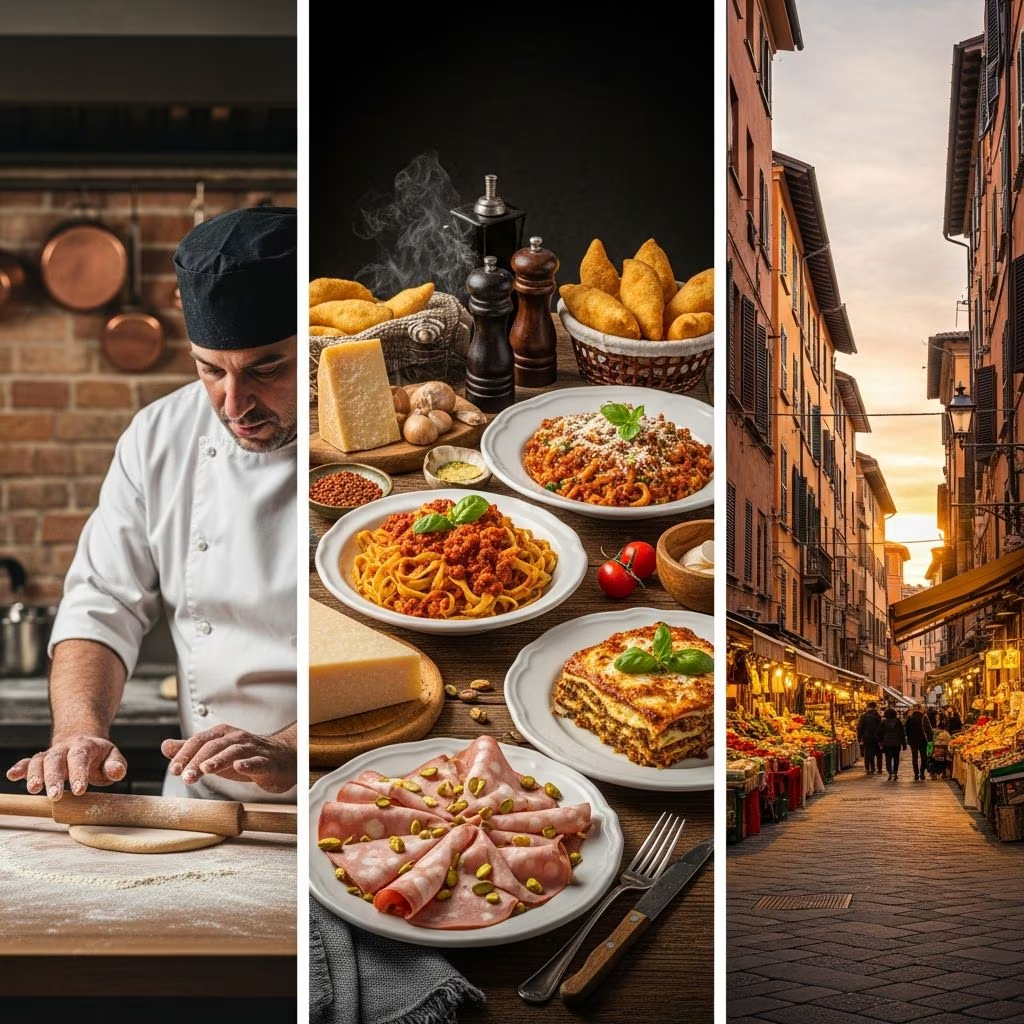
Bologna stands as one of Italy’s most significant food destinations, earning its reputation as the gastronomic heart of the Emilia-Romagna region. The city’s approach to cuisine reflects centuries of culinary refinement, where tradition meets passionate craftsmanship. Visitors arriving in Bologna quickly discover that food is not merely sustenance but rather a central pillar of local identity and culture. The dining landscape ranges from humble family-run trattorias operating for generations to innovative restaurants reinterpreting classical preparations with contemporary techniques.
The Foundation of Bolognese Cuisine
Understanding Bologna’s food culture requires recognizing several key characteristics that distinguish it from other Italian regions. The cuisine emphasizes quality ingredients sourced from the surrounding agricultural areas, particularly from Emilia-Romagna’s productive plains. Butter and cream appear frequently in traditional preparations, creating rich, satisfying dishes that reflect the region’s dairy heritage. Fresh egg pasta, rolled and shaped by hand, forms the backbone of most traditional meals. Unlike southern Italian cooking’s reliance on tomatoes and olive oil, Bolognese cuisine celebrates the abundance of pork products, dairy, and the sophisticated use of ragù—a meat-based sauce that transforms simple pasta into extraordinary fare.
The city’s historical position as a prosperous medieval trading hub influenced its development as a culinary center. Wealthy families and institutions cultivated refined tastes, establishing a tradition of sophisticated food preparation that persists today. Guilds controlling specific trades ensured quality standards for ingredients and finished products, creating a framework within which excellence could flourish.
Essential Pasta Dishes You Must Experience
Tagliatelle al ragù represents perhaps the most iconic Bolognese pasta preparation. This dish features wide, flat ribbons of fresh egg pasta dressed with a slowly simmered meat sauce that has been developed over hours rather than minutes. The ragù, composed of ground beef and pork, tomatoes, and aromatic vegetables, coats each strand of pasta thoroughly. Unlike the thin spaghetti associated with Neapolitan ragù, Bolognese tradition demands flat pasta that can support the weight and complexity of the sauce. Each authentic preparation varies slightly based on family recipes and individual chef preferences, yet all maintain certain characteristics: the sauce should not be watery, the pasta should be tender but with resistance, and the combination should feel harmonious rather than one element dominating the other.
Tortellini in brodo offers an entirely different experience, focusing on delicate pasta parcels filled with a mixture of meats, cheese, and nutmeg, served in a savory, umami-rich broth. These tiny hat-shaped pastas require exceptional skill to fold properly, and many preparations remain family secrets passed through generations. The broth itself demands attention; traditionally prepared from meat bones, it should be clear yet flavorful, allowing the tortellini to shine rather than overwhelming them.
Balanzoni, a less internationally recognized but equally important preparation, features larger pasta parcels often colored with red-and-blue sfoglia pasta, sometimes referencing Bologna’s famous football club through this chromatic nod. The filling typically combines meat, cheese, and vegetables, creating a complete package of Bolognese flavors in a single bite.
Lasagne represents another fundamental preparation, though the Bolognese version differs markedly from interpretations found elsewhere in Italy or abroad. The traditional recipe layers thin sheets of fresh pasta with ragù, béchamel sauce, and Parmigiano-Reggiano cheese, building complexity through the interaction of these three components. The result should possess a creamy, cohesive texture rather than the drier, more fragmented versions common in other regions.
Beyond Pasta: Iconic Meat and Bread Preparations
Cotoletta alla Bolognese, also known as la petroniana, showcases the city’s relationship with quality meat preparation. This dish features a veal cutlet, breaded and fried in butter, then topped with prosciutto and Parmigiano-Reggiano cheese. The final step involves adding a splash of meat broth, which softens the crispy exterior and melds all components together. The result balances texture, richness, and savory depth in a single preparation.
Mortadella reigns as Bologna’s most celebrated cured meat. This pork-based sausage, studded with fat and spiced with various aromatics, achieves a creamy texture when sliced thinly and served at room temperature. Quality mortadella should demonstrate proper marbling, vibrant color, and complexity of flavor that simple descriptions fail to capture. The finest examples command prices reflecting their craftsmanship and ingredient quality.
Crescentine fritte—fried bread pillows—represent a simpler but equally fundamental preparation. These golden-brown pockets of fried dough pair beautifully with cured meats and fresh cheeses like squacquerone, a soft, creamy cheese with a delicate, tangy character. The combination of crispy, warm bread with cool, fresh accompaniments creates textural and temperature contrasts that exemplify thoughtful food preparation.
Tigelle round out this category of bread-based specialties. These homemade round breads can be served plain with cured meats and cheese, or split and filled with various ingredients. Contemporary versions include spreads like crema di pecorino or even Nutella, demonstrating how tradition adapts to modern preferences without abandoning its foundational character.
The Market Experience: Quadrilatero’s Living Tradition
Exploring Bologna’s food culture requires visiting the Quadrilatero, a grid of narrow streets just off Piazza Maggiore. This ancient market district contains stalls selling pasta, cheese, meat, fish, fruit, and vegetables in abundance. The atmosphere transports visitors to earlier centuries when such markets represented the lifeblood of urban food systems. Local vendors, many operating family businesses spanning generations, display their wares with pride.
Walking through the Quadrilatero provides sensory immersion impossible to achieve through restaurants alone. The aromas of cured meats, aged cheeses, and fresh herbs mingle in the air. Vendors often offer small tastes of their products, encouraging exploration and conversation. This direct relationship between producer and consumer reflects a food culture that values personal connection and knowledge about origins and production methods.
Dining Establishments: From Historic Institutions to Contemporary Reimaginings
Osteria del Sole stands as one of Bologna’s most enduring dining institutions, operating continuously since 1465 in the Quadrilatero. This unique establishment functions as a bring-your-own-food establishment where patrons source cured meats, cheese, and bread from local purveyors before proceeding to the osteria to order wine and enjoy their selections in a communal atmosphere. The experience remains deliberately simple, with minimal menu offerings, but the charm derives from its authenticity and the social environment it fosters. Visitors often arrive at lunchtime to secure outdoor seating and order glasses of local Lambrusco, the traditional red wine of the region that is served chilled and differs markedly from sweeter versions encountered elsewhere.
Trattoria Bertozzi, run by Chef Fabio Berti, represents the modern traditional restaurant model. Recently updated interiors, including a covered courtyard, provide comfortable dining settings while maintaining connection to culinary heritage. The kitchen maintains a rich, indulgent approach to traditional preparations, evident in their stuffed balanzoni and other signature offerings.
Da Serghei earns recognition for exceptional lasagna and a dining atmosphere that balances comfort with genuine tradition. Osteria Bottega maintains reliable quality across traditional preparations, with superior service and atmosphere despite slightly elevated pricing. Grassilli stands out for some of the city’s finest cotolette, exemplifying the Bolognese commitment to mastering specific preparations rather than offering extensive menus with varying quality levels.
Collegio di Spagna provides simple fare emphasizing crescentine fritte served with cured meats and squacquerone cheese, capturing essential Bolognese flavors in humble presentations. For those seeking refined dining experiences, Caminetto d’Oro offers exceptional quality with fine dining service and pricing to match, while Casamerlò combines bold art deco aesthetics with expertly executed traditional dishes, complemented by an extensive wine list mixing modern selections with fine antiques.
Wine Culture and Beverage Traditions
Bologna’s wine scene extends far beyond the casual Lambrusco served at casual establishments. Natural wine has gained significant traction in the city, with Enoteca Faccioli emerging as the ultimate destination for enthusiasts seeking high-quality, minimally intervened wines. This establishment specializes in selections produced with natural winemaking techniques, attracting serious collectors and curious explorers alike. Enoteca Favalli and Enoteca Al Risanamento offer additional opportunities to explore quality natural wines, with the former featuring distinctive stuffed tigelle as accompaniments.
Lambrusco deserves particular mention as the region’s signature wine. This red, sparkling wine is traditionally served slightly chilled, which distinguishes it from heavy red wines consuming room temperature. Quality lambrusco demonstrates fruit-forward characteristics and refreshing acidity that pairs beautifully with rich Bolognese cuisine, cutting through fatty preparations and cleansing the palate between bites.
Pignoletto, a local sparkling white wine, represents another regional specialty worth exploring. This wine offers a lighter alternative to reds while maintaining sufficient structure to accompany traditional dishes. The wine culture in Bologna emphasizes exploration and education rather than dogmatic adherence to rules, welcoming all serious enthusiasts regardless of experience level.
Cocktail Bars and Contemporary Beverage Scenes
Beyond wine, Bologna’s cocktail bar scene has evolved considerably. Bar Volare stands out for its ’60s vintage aesthetic paired with classic cocktail preparations and simple bar snacks like boiled eggs and peanuts. Il Rialto, located near Giardini Margherita, operates in a speakeasy-style atmosphere that captures Bologna’s first vintage bar experience, offering classical cocktail preparations alongside food offerings.
Scuro, I Conoscenti, Jiani’s, and Guero represent additional cocktail destinations earning recognition from knowledgeable locals and travelers. Each brings distinct aesthetics and preparation philosophies to their craft. Nu Lounge Bar differentiates itself through tiki-focused offerings, though skilled bartenders can prepare classical cocktails upon request. For amaro enthusiasts, Caffè Rubik serves as a dedicated destination for exploring Italy’s complex, bittersweet digestifs.
Gelato and Coffee: Sweet Punctuation Points
No exploration of Bolognese food culture concludes without acknowledging gelato’s importance. Cremeria Santo Stefano maintains a reputation as a classic destination for this frozen delicacy, serving preparations that balance sweetness with pure flavor profiles. The quality of gelato significantly influences the overall dining experience, as many locals treat these establishments as social gathering points during afternoon passeggiata (the traditional evening stroll).
Coffee holds similarly significant cultural position. Caffè Terzi and Aroma both serve accomplished espresso preparations, maintaining standards that reflect the Italian commitment to coffee quality. These establishments function as more than mere caffeine dispensaries; they represent social anchors where people conduct business, meet friends, or simply pause during daily routines.
Dining Strategies and Cultural Notes
Understanding local dining customs enhances the experience considerably. Lunch typically occurs between 12:30 and 14:00, with dinner service beginning around 19:30 and extending to 22:00 or later. Many establishments close between lunch and dinner service. Reservations prove essential at popular restaurants, particularly during peak seasons. Many traditional establishments maintain relatively simple menus, intentionally limiting offerings to maintain quality across all preparations.
Pricing varies considerably based on establishment type. Historic trattorias and casual spots offer excellent value, while refined dining establishments command prices reflecting chef expertise and ingredient quality. The ratio of cost to experience generally remains favorable compared to similar establishments in major international cities.
Beyond Bologna: Regional Extensions
While the city itself offers exceptional dining, the surrounding Emilia-Romagna countryside provides additional opportunities to explore regional specialties. Agriturismo establishments offer farm-to-table experiences, while small villages maintain family restaurants preserving local traditions. These destinations reward curious explorers willing to venture slightly beyond urban boundaries, offering perspectives on how ingredients are produced and how culinary traditions develop in their original contexts.
References
- Katie Parla’s Bologna City Guide — Katie Parla. Accessed 2026. https://katieparla.com/city-guides/bologna/
- Where to eat and drink in Bologna, Italy — Curious Appetite. 2026-01-21. https://thecuriousappetite.com/2026/01/21/food-drink-restaurants-bologna-italy/
- 19 Best Things to Do in Bologna (Italy’s Food Capital!) — Maddy’s Avenue. Accessed 2026. https://maddysavenue.com/things-to-do-in-bologna-italy/
- 10 Iconic Bologna foods you must eat in 2026 — Taste Bologna. 2026. https://www.tastebologna.net/blog/bologna-food
- City guide: Bologna — Edible Reading. 2019-08-23. https://ediblereading.com/2019/08/23/er-on-tour-bologna/
- A first timer’s food guide to Bologna — Fiona Beckett. Accessed 2026. https://fionabeckett.substack.com/p/a-first-timers-food-guide-to-bologna
On This Page
The Foundation of Bolognese Cuisine Essential Pasta Dishes You Must Experience Beyond Pasta: Iconic Meat and Bread Preparations The Market Experience: Quadrilatero's Living Tradition Dining Establishments: From Historic Institutions to Contemporary Reimaginings Wine Culture and Beverage Traditions Cocktail Bars and Contemporary Beverage Scenes Gelato and Coffee: Sweet Punctuation Points Dining Strategies and Cultural Notes Beyond Bologna: Regional Extensions← Previous
Best Beach Towns in Portugal: Lisbon, Algarve & Hidden Coast Gems
Next →
4-Day Milan Itinerary: Top Sights, Food & Neighborhoods
Related Reading
More in Food & Culture
Food & Culture Food & Culture
 Food & Culture
Best Places to Eat in Rome: Neighborhood Dining Guide
 Food & Culture
 Food & Culture