

 Travel Essentials
 Travel Essentials

Navigate Bordeaux like a local with insider tips on attractions, dining, transportation, and wine experiences in France's premier destination.
 Travel Essentials
Bordeaux stands as one of France’s most captivating destinations, blending centuries of architectural grandeur with a thriving contemporary culture. This southwestern French city has transformed itself into a modern metropolis while maintaining its historic charm, making it an ideal destination for travelers seeking both cultural immersion and culinary excellence. Whether you’re a first-time visitor or returning to explore new corners, this comprehensive guide will help you navigate the city like an insider.
Bordeaux’s urban design reflects its evolution from a medieval trading port to a refined 18th-century city. The river Garonne divides the city into two distinct characters: the Left Bank contains the historic center and commercial districts, while the Right Bank, known as La Bastide, represents the city’s newer developments and emerging cultural spaces. The compact nature of the historic core makes orientation straightforward, with most major attractions concentrated within walking distance of each other.
Understanding the city’s neighborhood structure enhances your visit significantly. The historic center radiates outward from key landmarks, with distinct quarters offering unique personalities and experiences. The Saint Michel neighborhood pulses with bohemian energy, the Chartrons district showcases refined boutiques and galleries, and the riverfront areas combine recreation with stunning views.
Exploring Bordeaux on foot remains one of the most rewarding ways to experience the city. The pedestrian-friendly layout of the Old Town encourages wandering, with narrow paved streets revealing boutiques, cafes, and architectural details that motorized transport might obscure. The city’s relatively flat terrain makes walking accessible for most visitors, and the distances between major attractions are manageable.
Bicycling has become increasingly popular and practical in Bordeaux. The city offers bike-sharing systems through applications like Uber, providing easy access to powered bikes and scooters distributed throughout urban areas. The four-kilometer riverside promenade presents an ideal cycling route, particularly the stretch between the Pont de Pierre and Pont Chaban Delmas, which includes playgrounds, restaurants, and market access.
Bordeaux’s tram network comprises four lines (A, B, C, and D) connecting major attractions efficiently. Tickets can be purchased at station stops or through the dedicated Witick mobile application, making transit straightforward for visitors unfamiliar with the system. The double-decker Bordeaux Visiotour panoramic bus offers an alternative sightseeing approach, combining transportation with guided commentary about the city’s landmarks.
For convenience during extended stays, consider purchasing the Bordeaux CityPass, which provides unlimited access to public transportation and entry to numerous museums and attractions.
The Grand Théâtre dominates Place de la Comédie as one of Bordeaux’s most recognizable structures. This 18th-century masterpiece serves as home to the National Opera of Bordeaux and remains an architectural statement of the city’s cultural importance. The building’s classical proportions and ornate facade exemplify the refined aesthetics that define Bordeaux’s urban character. Evening performances offer the opportunity to experience the interior’s grandeur while enjoying world-class entertainment.
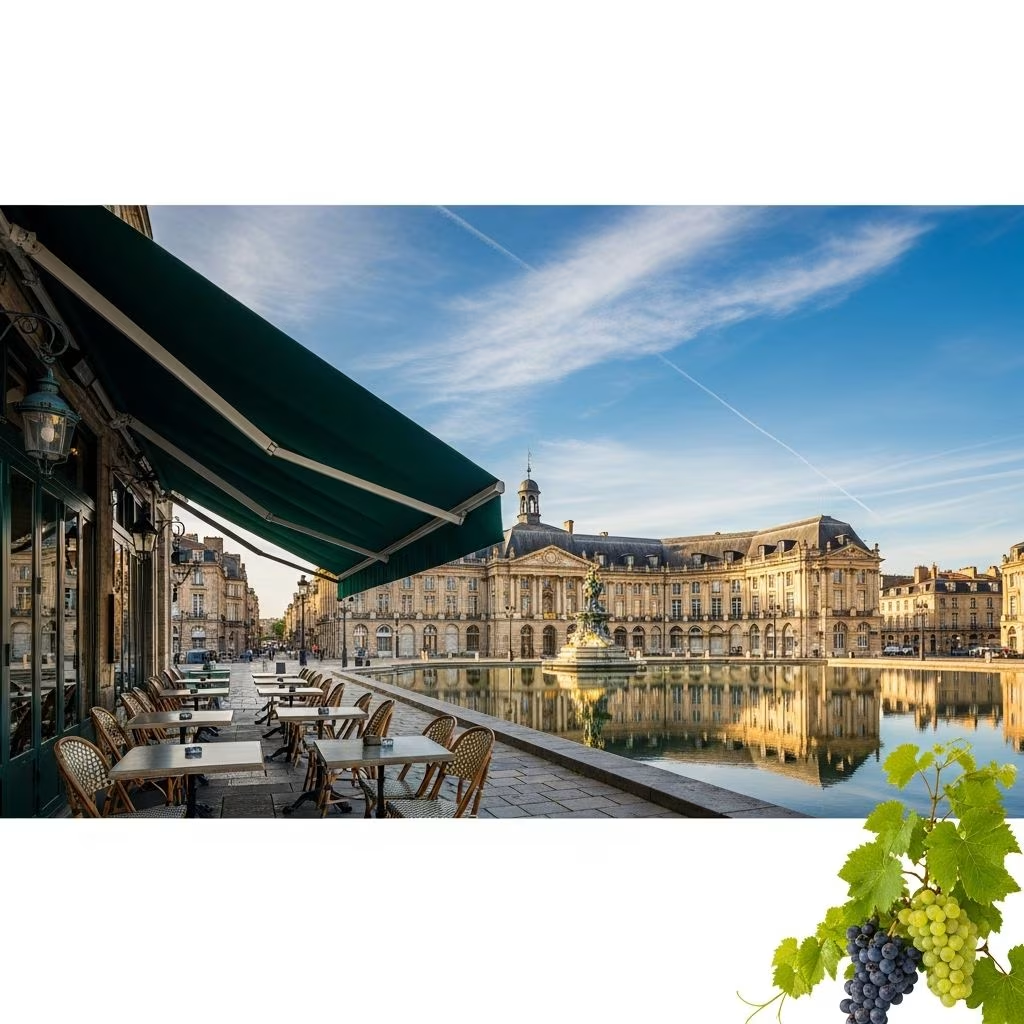
The Place de la Bourse represents a pinnacle of classical French urban design from the 18th century. This harmonious square showcases the architectural principles that earned Bordeaux UNESCO World Heritage status. The buildings flanking the plaza feature an distinctive decorative element: over 3,000 mascarons—small carved faces—adorning arches and facades throughout the city. These whimsical sculptures became a signature element of Bordeaux’s architectural identity and reward careful observation as you explore.
The Grosse Cloche, a 15th-century bell tower, stands as one of Bordeaux’s most prominent symbols. Originally constructed on the remains of Porte Saint-Éloy—a gateway through which medieval pilgrims passed en route to Santiago de Compostela in Spain—the bell tower now marks the entrance to the historic center’s intimate neighborhoods. Surrounding streets maintain medieval character with narrow pavements, creating an atmosphere that transports visitors centuries backward.
The Bordeaux Cathedral and the Basilica of Saint Michel both merit detailed exploration. The Basilica, classified as a UNESCO World Heritage site in 1998, anchors the Saint Michel neighborhood and remains surrounded by cafes and restaurants creating a vibrant public square. Climbing the adjacent Saint Michel bell tower provides comprehensive city panoramas from its summit.
The Garonne River defines Bordeaux’s identity and offers multiple engagement opportunities. Guided river cruises provide scenic perspectives unavailable from land-based vantage points. Many local companies offer excursions ranging from brief one-and-a-half hour journeys to extended explorations, often including refreshments such as wine tastings—a fitting complement to a Bordeaux river experience.
The riverfront promenade spans 4.5 kilometers and accommodates walking and cycling equally. The stretch between the two central bridges provides the most compelling experience, incorporating the famous Miroir d’Eau (water mirror), children’s play areas, riverside dining establishments, and access to the Chartrons Market.
La Bastide district on the Right Bank represents Bordeaux’s contemporary development trajectory. Modern green spaces including the Jardin Botanique and Darwin complex showcase the city’s commitment to sustainable urban design alongside cultural programming. Parc aux Angéliques offers recreational facilities and natural spaces for relaxation and escape from urban intensity.
The Chartrons district functions as Bordeaux’s cultural and commercial soul beyond the historic center. Originally associated with wine trading and storage, the neighborhood has evolved into a destination for independent galleries, boutiques, and dining establishments reflecting contemporary tastes. The Chartrons Market provides access to fresh produce, prepared foods, and regional products while offering cultural immersion into local daily rhythms.
Exploring the Chartrons via guided bicycle tour allows comprehensive coverage while maintaining the flexibility to pause at interesting discoveries. The neighborhood’s residential character contrasts with the tourist-focused historic center, offering glimpses of authentic local life.
Bordeaux’s international reputation rests substantially on wine excellence. Beyond traditional winery visits in surrounding regions, the city itself offers accessible wine engagement through dedicated museums, wine bars established on numerous street corners, and restaurant wine programs curated by knowledgeable staff. Many establishments facilitate wine education through guided tastings or pairing experiences.
Morning market visits establish rhythm and provide authentic cultural immersion. The Chartrons Market and morning markets near Place des Capucins showcase regional produce, artisanal goods, and prepared specialties reflecting seasonal availability and local culinary priorities. Early visits avoid afternoon crowds while capturing the market’s optimal energy.
Restaurant selection ranges from casual neighborhood establishments to refined fine-dining venues. Local recommendations frequently emphasize le Petit Commerce for traditional preparations and welcoming atmosphere. Riverside restaurants capitalize on Garonne views while offering menus incorporating regional specialties and wines.
For time-constrained visitors, a focused itinerary emphasizes interconnected landmarks within the historic center. Beginning at Place de la Comédie and the Grand Théâtre, proceed to Place de la Bourse to observe the mascarons and classical architecture. Continue through Saint Paul neighborhoods to the Grosse Cloche, then navigate to the Cathedral and Pey-Berland bell tower. This concentrated route accomplishes major attractions in three to four hours.
More leisurely visits allow neighborhood immersion and market experiences. Day one might commence with morning market exploration, followed by Saint Michel Basilica and bell tower climbs for panoramic perspectives. Afternoon activity could include Grosse Cloche passage and historic center wandering before dinner at local establishments. Day two could emphasize riverfront experiences through Miroir d’Eau visits, potential river cruises, and Chartrons neighborhood exploration through cycling or walking tours.
Bordeaux experiences variable weather patterns requiring appropriate preparation. Winter seasons bring genuine cold, while rainfall occurs year-round with particular intensity during certain periods. A warm, waterproof coat with hood functionality becomes essential rather than optional. French fashion conventions emphasize conservative, classic styling over casual athletic wear, with leggings and crop tops considered inappropriate for public spaces.
While pedestrian-friendly design characterizes the city center, tram tracks embedded in street pavements present hazards requiring constant awareness. Attention to directional signals and track locations prevents accidents, particularly in congested commercial areas during peak hours.
The Bordeaux CityPass provides value through bundled transportation and museum access, though individual cost-benefit analysis depends on specific itinerary composition. Standard public transportation tickets offer economical alternatives for limited-use visitors.
Spring and fall offer mild temperatures and reduced tourist congestion compared to peak summer months. Harvest season in September provides unique wine-region energy, while spring flowers enhance garden and parks experiences.
A minimum two-day itinerary allows historic center coverage and neighborhood exploration. Three to four days permits leisurely pacing, potential regional winery visits, and greater spontaneous discovery opportunities.
Yes, English-language options exist through major tour operators and the city’s tourist office. Free walking tours conducted by knowledgeable local guides operate regularly and accommodate language preferences.
Saint-Emilion, Pomerol, and Graves regions offer distinct terroirs and visiting experiences. Half-day excursions from the city center provide accessible introductions to wine production and regional landscapes.
The historic center’s medieval street layout and cobblestone pavements present challenges, though main commercial areas and riverside promenades offer better accessibility. Public transportation accommodates mobility devices, and certain neighborhoods provide more manageable terrain.
Bordeaux rewards both structured planning and spontaneous exploration. The city’s compact scale eliminates pressure to maximize checklist completion, instead encouraging leisurely neighborhood wandering and serendipitous discoveries. Whether your priorities emphasize architectural appreciation, wine engagement, culinary experiences, or cultural participation, Bordeaux accommodates diverse travel interests while maintaining cohesive character. The combination of historic preservation, contemporary development, and active community life creates a dynamic destination that reveals new dimensions with each visit.
