

 Travel Essentials
 Travel Essentials

A comprehensive guide to Boston's Seaport district, featuring dining, attractions, and insider tips for exploring this dynamic waterfront destination.
 Travel Essentials
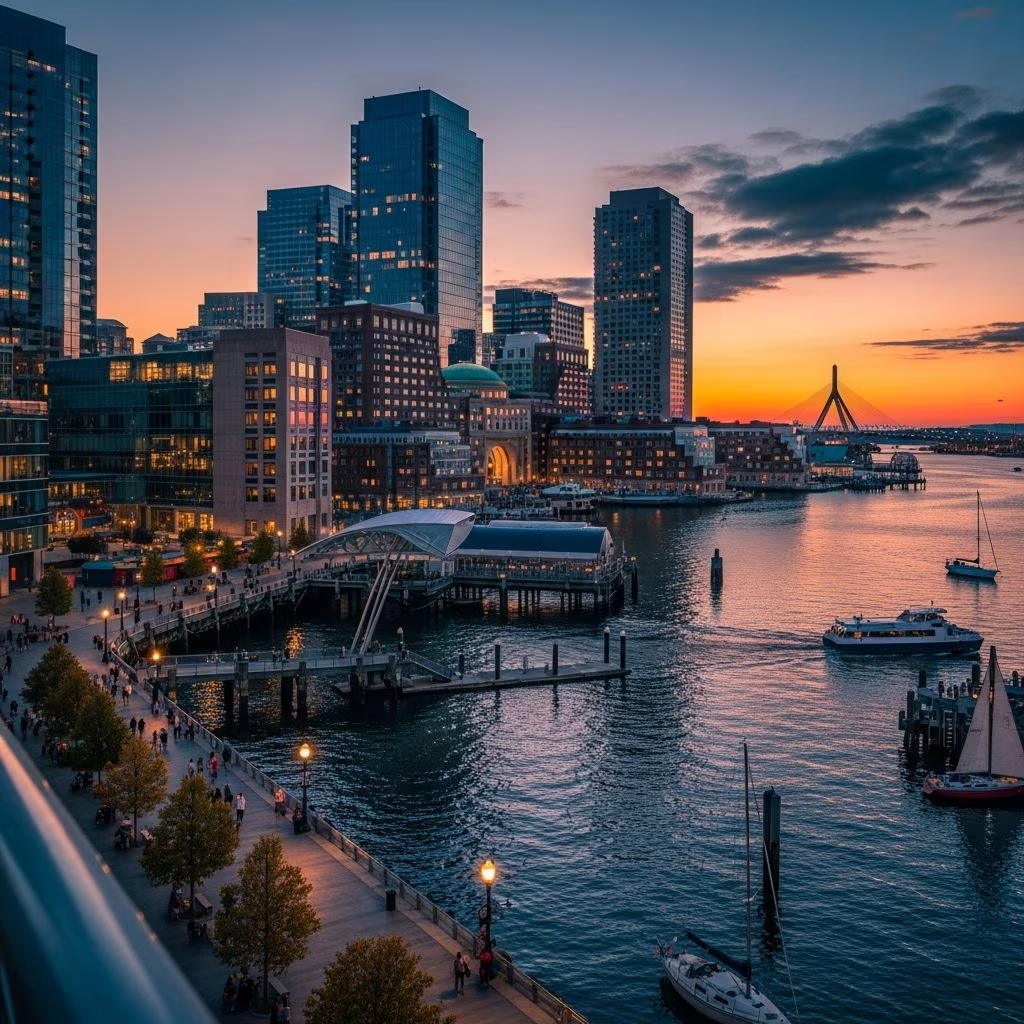
Boston’s Seaport neighborhood has undergone a remarkable transformation in recent years, evolving from an industrial shipping district into one of New England’s most vibrant and dynamic destinations. This waterfront area, once dominated by warehouses and maritime infrastructure, now stands as a testament to thoughtful urban renewal and contemporary development. The district seamlessly blends its rich maritime heritage with cutting-edge architecture, upscale dining establishments, and world-class cultural institutions, making it an essential destination for both visitors and locals seeking fresh experiences in America’s historic capital.
The Seaport’s journey from functional port to sophisticated entertainment hub spans several decades of careful planning and investment. What was once primarily utilitarian space dedicated to maritime commerce has been reimagined as a mixed-use neighborhood that honors its past while embracing contemporary urban design principles. The transition has been gradual but transformative, with preservation efforts working hand-in-hand with new construction to create a district that feels both rooted in history and forward-looking in its amenities and attractions.
The neighborhood’s strategic location along Boston Harbor provides natural advantages that have been thoughtfully leveraged in recent development initiatives. The waterfront setting creates opportunities for outdoor recreation, waterside dining, and scenic promenades that connect residents and visitors to the maritime character that defined this area for centuries.
The Seaport’s architectural landscape tells a compelling story of adaptive reuse and modern innovation. Converted warehouse buildings now house trendy restaurants, art galleries, and boutique retail shops, while their original brick facades and industrial elements remain visible as tributes to their functional past. Simultaneously, striking contemporary structures have been carefully integrated into the neighborhood fabric, creating an interesting dialogue between old and new.
The district’s public spaces have been thoughtfully designed to encourage exploration and social interaction. Wide pedestrian walkways, waterfront parks, and outdoor gathering areas create a pedestrian-friendly environment that contrasts sharply with its industrial predecessor. These thoughtfully planned spaces enhance the neighborhood’s appeal as a destination for both purposeful visits and leisurely wandering.
The Seaport has become synonymous with elevated dining experiences, hosting an impressive concentration of restaurants helmed by acclaimed chefs and emerging culinary talents. The neighborhood’s food scene reflects both classic New England fare and international cuisines, catering to diverse palates and dining occasions.
Seafood naturally features prominently in local offerings, given the neighborhood’s maritime heritage and proximity to New England’s productive fishing grounds. Many establishments partner directly with local fisheries, ensuring ingredient freshness and supporting regional food systems. The emphasis on quality ingredients and creative preparation has elevated the Seaport’s reputation as a destination for serious food enthusiasts and casual diners alike.
Beyond dining, the Seaport hosts several significant cultural attractions that draw visitors throughout the year. These institutions complement the neighborhood’s commercial offerings while contributing to its identity as an intellectual and cultural hub within Boston.
Art galleries showcase contemporary works by established and emerging artists, with exhibition spaces ranging from intimate galleries to larger institutional venues. These cultural offerings attract art enthusiasts and create a vibrant creative atmosphere that extends beyond traditional museum hours. The neighborhood’s commitment to public art includes sculptures, installations, and murals that activate outdoor spaces and contribute to the visual landscape.
Performance venues host theater productions, comedy shows, concerts, and special events throughout the year, providing entertainment options that appeal to varied interests and age groups. These venues have become integral to Boston’s cultural calendar, hosting both local productions and touring shows of national significance.
The Seaport’s location along Boston Harbor provides opportunities for recreational activities that connect visitors directly to the water. Harbor walks, waterfront parks, and viewing areas offer respite from urban hustle while providing scenic vistas of the harbor islands and Boston skyline.
Seasonal activities vary throughout the year, with summer months offering outdoor dining, harbor cruises, and waterfront festivals, while cooler seasons present opportunities for contemplative walks and photography. The neighborhood’s parks and promenades encourage visitors to move beyond restaurant and retail destinations into active engagement with the waterfront environment itself.
The Seaport’s retail landscape has evolved beyond typical shopping destinations into experiential spaces that encourage exploration and discovery. Boutique shops, flagship stores, and independent retailers create a diverse shopping environment that rewards both purposeful shopping and casual browsing.
| Retail Category | Typical Offerings | Visitor Experience |
|---|---|---|
| Fashion & Accessories | Contemporary clothing, designer labels, local designers | Curated collections in stylish settings |
| Home & Lifestyle | Furniture, decor, kitchenware, wellness products | Design-focused retail emphasizing quality |
| Specialty Stores | Books, art supplies, gourmet foods, unique gifts | Expert knowledge and personalized service |
Like much of Boston and New England, the Seaport experiences distinct seasonal variations that influence visitor patterns and available activities. Summer months attract the largest crowds, with warm weather encouraging waterfront dining and outdoor events. Spring and fall offer pleasant temperatures and fewer crowds, making these shoulder seasons attractive for visitors seeking more intimate experiences. Winter transforms the district with holiday decorations and seasonal programming, though reduced outdoor activity encourages visitors to explore indoor attractions.
Understanding seasonal patterns helps visitors plan trips aligned with their preferences. Those seeking vibrant social energy and robust event programming should consider peak season, while visitors prioritizing contemplative experiences and shorter wait times may prefer off-season visits.
The Seaport’s location within Boston’s transportation network makes it readily accessible to visitors arriving by car, public transit, or on foot from downtown areas. Public parking facilities, though sometimes challenging during peak times, provide vehicular access for those driving. The district’s walkability has improved significantly with recent infrastructure investments, making pedestrian exploration increasingly practical and enjoyable.
The Seaport represents a newer, more contemporary development compared to downtown’s historic architecture and traditional business district character. The neighborhood’s focus on lifestyle amenities, waterfront orientation, and mixed-use development creates a distinct atmosphere emphasizing recreation, dining, and cultural experiences rather than historical tourism or traditional commerce.
Late spring through early fall offers optimal weather for waterfront activities and outdoor dining. However, the district remains vibrant year-round, with seasonal programming and indoor attractions providing value during winter months. Visiting during weekdays generally provides a less crowded experience than weekends.
Yes, the neighborhood offers various family-oriented attractions including museums, waterfront parks, and dining establishments with children’s menus. Many cultural venues host family-oriented programming, and outdoor spaces provide recreational opportunities for children of various ages.
Half-day visits allow time for dining and casual shopping, while full-day visits enable thorough exploration of cultural institutions, waterfront areas, and various neighborhood districts. Multi-day visits permit deeper engagement with the neighborhood’s offerings and more leisurely experiences.
Multiple parking garages and surface lots serve the neighborhood, though peak-time availability can be limited. Public transportation connections and walkability from downtown areas provide alternatives to driving.
Boston’s Seaport neighborhood exemplifies successful urban transformation, demonstrating how thoughtful development can honor historical heritage while creating contemporary destinations that attract diverse visitors. The district’s combination of dining excellence, cultural institutions, waterfront recreation, and architectural interest creates a compelling destination within America’s historic capital. Whether visiting for a single meal, a cultural outing, or an extended exploration, the Seaport offers experiences that resonate with travelers seeking modern urban vibrancy anchored in authentic waterfront character and New England tradition.
