

 Travel Essentials
 Travel Essentials

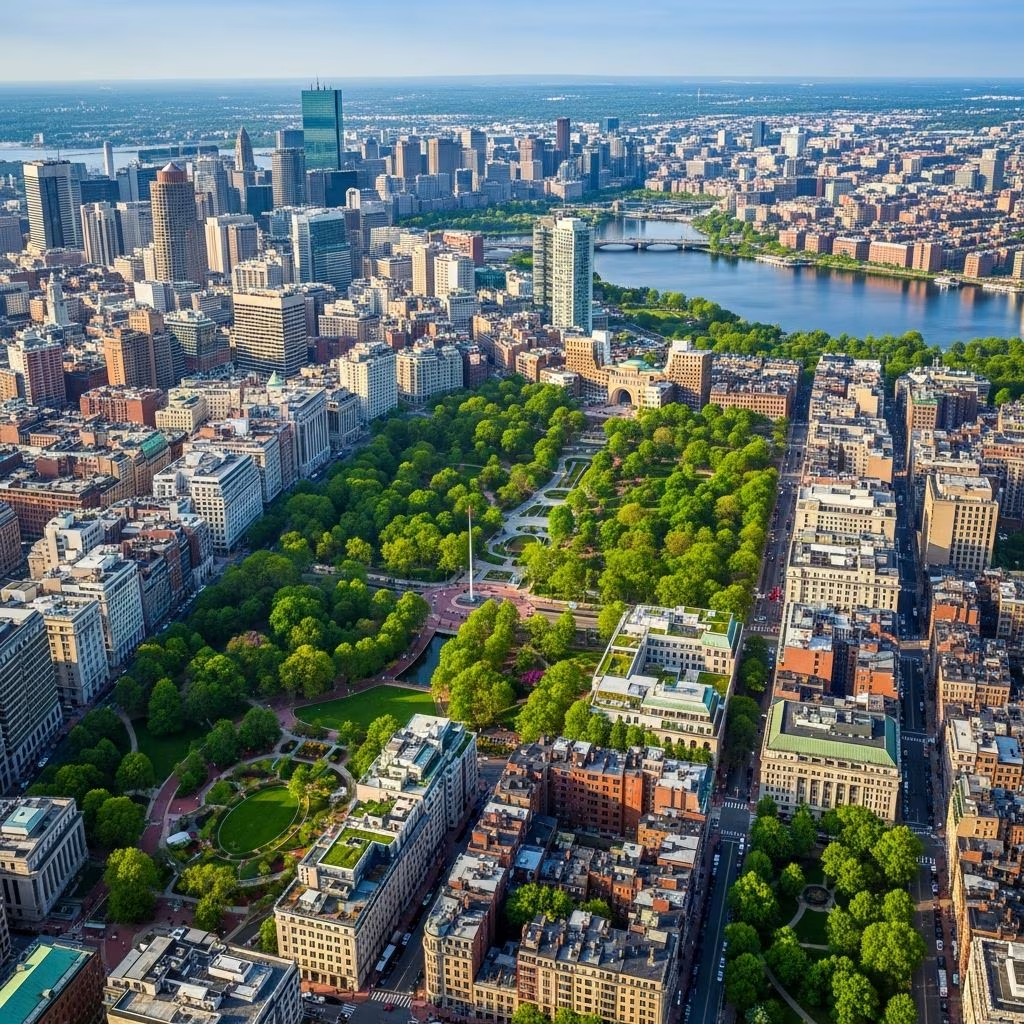
Boston tops U.S. sustainability rankings with extensive parks like the Emerald Necklace, energy efficiency leadership, and global acclaim for green access.
 Travel Essentials
Boston stands out as a pioneering example of urban sustainability in the United States, consistently earning high marks in environmental performance metrics. Recent evaluations place it among the top cities globally for access to green spaces and efficiency in resource use, making it a model for integrating nature into city life.
Boston’s commitment to environmental stewardship has garnered international acclaim. In a comprehensive survey by Time Out, which polled locals worldwide on access to nature, Boston secured the second position globally, trailing only Medellín, Colombia. This ranking underscores the city’s exceptional walkability and seamless incorporation of green areas into everyday routines, transforming parks from mere amenities into essential lifestyle components.
Domestically, Boston shines brightly. The Economist Intelligence Unit’s Green City Index positioned it fifth among U.S. cities and sixth in North America for overall environmental sustainability. It excelled particularly in per capita energy and water consumption, reflecting effective policies that minimize waste while maximizing quality of life.
Boston’s leadership in energy conservation is unmatched. The American Council for an Energy-Efficient Economy (ACEEE) in 2013 crowned it the most energy-efficient large city in the nation, evaluating 34 major urban centers on policy implementation and energy-saving initiatives. This accolade highlights proactive measures like building retrofits, renewable incentives, and public transit enhancements that reduce carbon footprints across sectors.
These efforts continue to evolve, with ongoing programs from the City of Boston’s Environment, Energy, and Open Space department driving further improvements. From streetlight upgrades to community solar projects, the city prioritizes scalable solutions that benefit diverse neighborhoods.
At the heart of Boston’s green identity lies the Emerald Necklace, a 1,100-acre network of interconnected parks designed in the late 19th century by Frederick Law Olmsted. This visionary chain includes iconic sites like the Boston Common, Public Garden, Commonwealth Avenue Mall, Back Bay Fens, Riverway, Arnold Arboretum, and Franklin Park, forming a continuous green corridor.
The Necklace serves multifaceted roles: it offers recreational outlets, mitigates urban heat islands, improves air quality, and fosters biodiversity. Public ownership ensures equitable access, allowing residents from all walks of life to reap health and social benefits. Experts emphasize its role in mental well-being, providing serene escapes amid the hustle of city living.
Urban green spaces in Boston transcend aesthetics, delivering tangible health advantages. Studies link proximity to parks with reduced stress, enhanced physical activity, and stronger community bonds. The Emerald Necklace exemplifies this by hosting yoga sessions, farmers’ markets, and cultural festivals that draw diverse crowds.
Publicly maintained areas promote inclusivity, countering disparities in green access often seen in other cities. Environmental educators highlight how these spaces instill appreciation for nature in younger generations, ensuring long-term stewardship.
| Green Space | Size (Acres) | Key Features | Annual Visitors |
|---|---|---|---|
| Boston Common | 50 | Historical events, Frog Pond | Millions |
| Public Garden | 24 | Swan boats, flower beds | 1.5M+ |
| Arnold Arboretum | 281 | Tree collections, trails | 200K+ |
| Franklin Park | 485 | Playgrounds, zoo | 500K+ |
Boston’s green status stems from robust policies. The city’s Climate Action Plan targets net-zero emissions by 2050 through electrification, green infrastructure, and resilient design. Initiatives like the Green New Deal for Boston invest in affordable housing with energy-efficient features and expanded tree canopies.
Water management stands out, with low per capita usage earning top Green City Index scores. Combined sewer overflow reductions and green roofs prevent flooding while replenishing aquifers.
Boston’s layout enhances its green appeal. Narrow streets lined with trees encourage walking, while the Emerald Necklace provides car-free paths for commuting and leisure. Time Out’s ranking praises this integration, noting how residents access nature without leaving neighborhoods.
Recent expansions, like the Mystic River Greenway, extend this network, promising even greater connectivity.
For travelers, Boston offers immersive green adventures. Cycle the Charles River Esplanade, picnic in the Fens, or explore the Arboretum’s collections. Seasonal highlights include cherry blossoms in spring and fall foliage tours.
Sustainable lodging and dining options abound, from LEED-certified hotels to farm-to-table spots sourcing locally.
Despite successes, Boston faces climate threats like sea-level rise. The city counters with resilient parks and coastal barriers. Community input shapes expansions, ensuring equity.
Looking ahead, goals include doubling tree cover and achieving 100% renewable energy sourcing, solidifying Boston’s green leadership.
High rankings in energy efficiency, green space access, and sustainability indices from sources like ACEEE and the Green City Index.
Spanning 1,100 acres across seven parks, offering trails, gardens, and recreation.
Yes, its design and Necklace connectivity make nature highly accessible on foot.
Climate Action Plan, Green New Deal, and energy retrofits target net-zero by 2050.
Spring for blooms, fall for colors, summer for events.
