

 Travel Essentials
 Travel Essentials

A comprehensive guide to traveling with kids in Botswana, covering age recommendations, activities, accommodations, and practical tips for family safaris.
 Travel Essentials
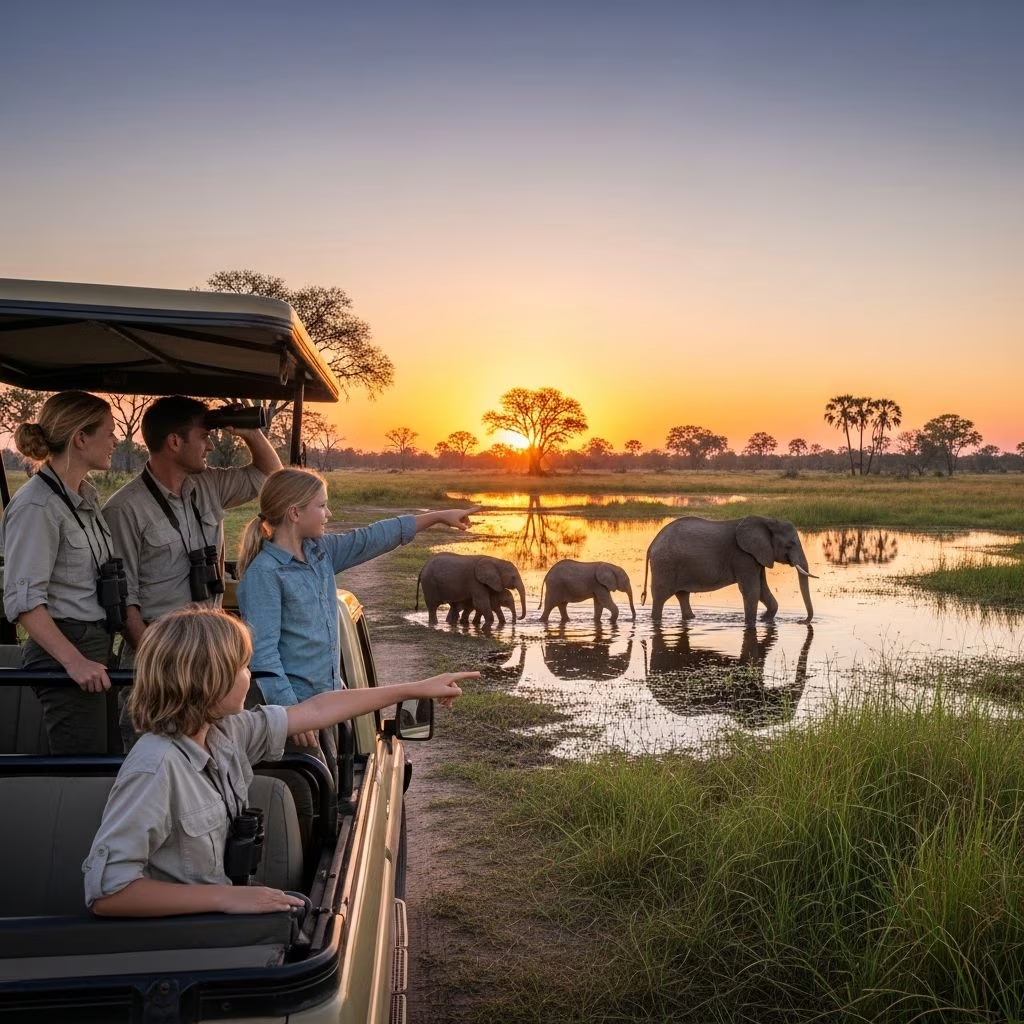
Planning a safari vacation with children might seem daunting, but Botswana has emerged as one of Africa’s most welcoming destinations for family travel. The country combines world-class wildlife viewing with thoughtfully designed family accommodations and age-appropriate activities that make introducing children to African wilderness both safe and memorable. Whether you’re traveling with toddlers or teenagers, Botswana offers flexible options that cater to various age groups and experience levels.
Before booking your family safari, it’s essential to understand the age requirements that different camps and activities impose. Most safari lodges in Botswana welcome children starting at age 6, though some camps offer more flexible arrangements for exclusive bookings. However, not all activities available to adults are suitable for younger children, so planning around these restrictions ensures a smooth and enjoyable experience.
Certain activities carry age restrictions for safety and practical reasons. Standard game drives typically accommodate children as young as 8 years old, though this varies by lodge. Walking safaris and water-based activities like mokoro rides usually require children to be at least 10 to 12 years old. For more adventurous experiences such as rhino tracking expeditions, minimum ages may reach 14 years. It’s crucial to confirm these requirements with your travel operator well in advance, ensuring your itinerary aligns with your children’s ages.
Safety concerns about wildlife are often overstated. Botswana is perfectly safe for family travel, though parents should note that some camps operate without fencing, allowing animals to move freely through the property. This is intentional and part of the authentic safari experience. Most camps maintain excellent safety protocols, and guides are extensively trained to manage interactions between guests and wildlife.
Timing your Botswana visit strategically can significantly enhance your family’s experience. The dry season, typically from May to October, offers excellent wildlife viewing as animals concentrate around water sources. This period also features cooler temperatures, making physical activities more comfortable for children. The wet season, from November to April, transforms the landscape into lush green scenery and brings abundant birdlife, though some roads may become less accessible.
Consider your children’s school schedules and energy levels when planning. Younger children often handle the early mornings and late afternoons typical of safari routines better during cooler months, while teenagers might enjoy the adventure regardless of season.
A logical family itinerary typically flows from north to south, maximizing convenience and minimizing unnecessary travel. Starting in Victoria Falls or Kasane makes geographic sense, allowing international flights to arrive and depart from major hubs. This routing provides natural progression through Botswana’s key wildlife regions.
Sample Northern Route: Begin with Chobe National Park near Kasane, offering spectacular river cruises and game drives. The calm waters and abundant elephant populations make this ideal for families with younger children. From Chobe, travel south through Nata, then to the Makgadikgadi Pan for unique landscape photography and specialized wildlife viewing. This route culminates in Maun, where you can catch international connections.
Delta-Focused Route: For families with older children ready for multiple activities, combine time in the Okavango Delta with visits to smaller reserves. This approach allows for diverse experiences including mokoro expeditions, walking safaris, and traditional game drives without excessive transfers.
Botswana’s safari industry has invested significantly in family-oriented facilities. Several camps specifically cater to families with designated family units, kids’ clubs, and specially trained staff.
Splash Camp operates family units and offers Splash Enclave, an exclusive-use space ideal for groups of 6 to 10 people with no age restrictions. This flexibility allows families with very young children to enjoy a private safari experience.
Wilderness Little Vumbura features just six tents on a private island within the wildlife-rich Vumbura Concession. With exclusive-use booking options and a designated family suite, this intimate camp suits families seeking privacy and personalized attention.
Machaba Camp welcomes children of all ages and provides safari-style canvas family tents. The camp offers diverse activities including game drives, walking safaris, mokoros, and boating expeditions.
Wilderness Chitabe Lediba promises year-round land-based game viewing with night drives and features an educational kids’ program staffed by specially trained “bush buddy” educators. Two family units accommodate multigenerational groups comfortably.
Camp Kalahari and San Camp excel in cultural activities, allowing children to track wildlife with San Bushmen guides and visit local villages throughout the country.
Kwando operates multiple properties with family rooms available at Splash Camp, Mma Dinare, 4 Rivers, Lagoon, and Lebala.
Botswana’s appeal lies in its activity diversity. Families needn’t limit themselves to traditional game drives; instead, they can craft multifaceted adventures matching children’s interests and abilities.
The Chobe River offers spectacular opportunities for families. Dawn and sunset cruises showcase elephant herds and birdlife from water-level perspectives, providing different viewing angles than traditional vehicles. Boat safaris allow observation of crocodiles, hippos, and swimming elephants, with calves following parents across the river. For families with younger children, these cruises offer comfort and safety combined with excellent wildlife encounters.
Mokoro expeditions—traditional dugout canoe rides through delta channels—provide peaceful alternatives to motorized transport. Some camps allow older children to pole their own mokoros with guides, adding interactive elements to the experience.
Game drives remain safari staples, but Botswana offers variations accommodating different preferences. Standard morning and afternoon drives suit most families, while evening drives provide opportunities to spot nocturnal species and experience the bush’s transition to darkness. All-day safaris combining vehicle travel with boat cruises and onboard meals offer immersive experiences for families with older children.
Walking safaris demand more patience and stamina but reward observant families with intimate wildlife encounters and environmental education opportunities. These experiences teach children to identify animal tracks, understand ecosystem relationships, and appreciate the bush’s sensory dimensions—sights, sounds, and smells often missed from vehicles.
Many camps incorporate learning components into safari experiences. Tracking wildlife with San Bushmen guides provides cultural immersion while teaching survival and naturalist skills. Children can learn campfire building, animal trap construction used for research purposes, and traditional fishing techniques. These hands-on experiences create lasting memories and educational value beyond typical vacation activities.
Some camps award Young Explorers certificates, caps, and t-shirts upon completion of activity programs, providing tangible mementos that children treasure. Village visits offer insight into local life, allowing children to interact with Botswana’s communities and understand contemporary African cultures beyond wildlife stereotypes.
Botswana’s renowned wildlife reserves provide focused experiences for animal-loving families. The Chief’s Island in Moremi Game Reserve hosts the Okavango Delta’s highest wildlife concentration and accommodates families in exclusive safari camps. The Dombo Hippo Pool offers excellent viewing hides where families can safely observe hippo collectives.
The Khama Rhino Sanctuary near Serowe showcases one of the world’s most successful rhino conservation programs, maintaining over 30 animals with a thriving breeding program. The sanctuary’s kids’ education center provides interactive learning about conservation efforts, making it particularly valuable for environmentally-conscious families. Guided bush adventures suit various age groups and fitness levels.
Mokolodi Nature Reserve offers rhino tracking expeditions for families with teenagers aged 14 and older, providing unforgettable walking experiences that create bonding moments around shared adventure.
Safari days involve early starts and late finishes, which challenges families accustomed to typical vacation rhythms. Prepare children for 5-6 AM wake-ups and activities extending until 7-8 PM. All-inclusive lodge arrangements—covering meals, drinks, activities, and laundry—eliminate logistical stress, allowing families to focus on experiences.
Many lodges provide downtime during midday heat, when wildlife activity decreases. Use this period for rest, swimming, reading, or relaxation to maintain energy for evening activities.
Inform your travel operator of your children’s exact ages before booking. Operators understand age-appropriate activities and can tailor itineraries accordingly. Experienced family safari companies provide practical guidance about what to expect, enabling realistic preparations.
Yes, Botswana is generally safe for family travel. Camps maintain security protocols, guides receive extensive wildlife training, and lodges offer protected spaces for children. While some camps lack fences by design, this reflects authentic safari experience management rather than safety concerns.
Most lodges accommodate children aged 6 and older. Some properties accept younger children with exclusive bookings. Specific activities carry higher age minimums: game drives typically require age 8 or older, walking safaris and water activities usually require age 10-12, and certain expeditions require age 14 or older.
Yes, family-focused camps provide designated family units, kids’ clubs, educational programs, and safe play areas. Many lodges employ trained child care staff and offer activities specifically designed for younger guests.
While age 8 is typical minimum, some camps accommodate younger children in game drives at their discretion. Confirm with your operator, and be prepared for early mornings and limited activity durations.
Optimal duration depends on children’s ages and tolerance for activity-heavy schedules. Families often find 5-7 days provides sufficient time for wildlife experiences without exhausting younger children. Older teens may enjoy extended trips combining multiple camps.
