

 Travel Essentials
 Travel Essentials

Explore Botswana's wildlife wonders, best travel times, transportation options, and cultural highlights in this comprehensive guide to Africa's top safari destination.
 Travel Essentials
Botswana stands out as one of Africa’s premier destinations for wildlife enthusiasts and adventure seekers. Its vast landscapes, teeming with iconic animals, offer unparalleled safari experiences in places like the Okavango Delta and Chobe National Park. This guide provides essential insights into planning your journey, from optimal visiting times to practical travel logistics.
Botswana’s appeal lies in its commitment to high-quality, low-impact tourism. The country boasts stable governance and excellent infrastructure, making it accessible for both seasoned travelers and newcomers. Key attractions include diverse ecosystems ranging from freshwater deltas to arid salt pans, supporting the Big Five and more. Unlike overcrowded parks elsewhere, Botswana emphasizes exclusivity, ensuring intimate encounters with nature.
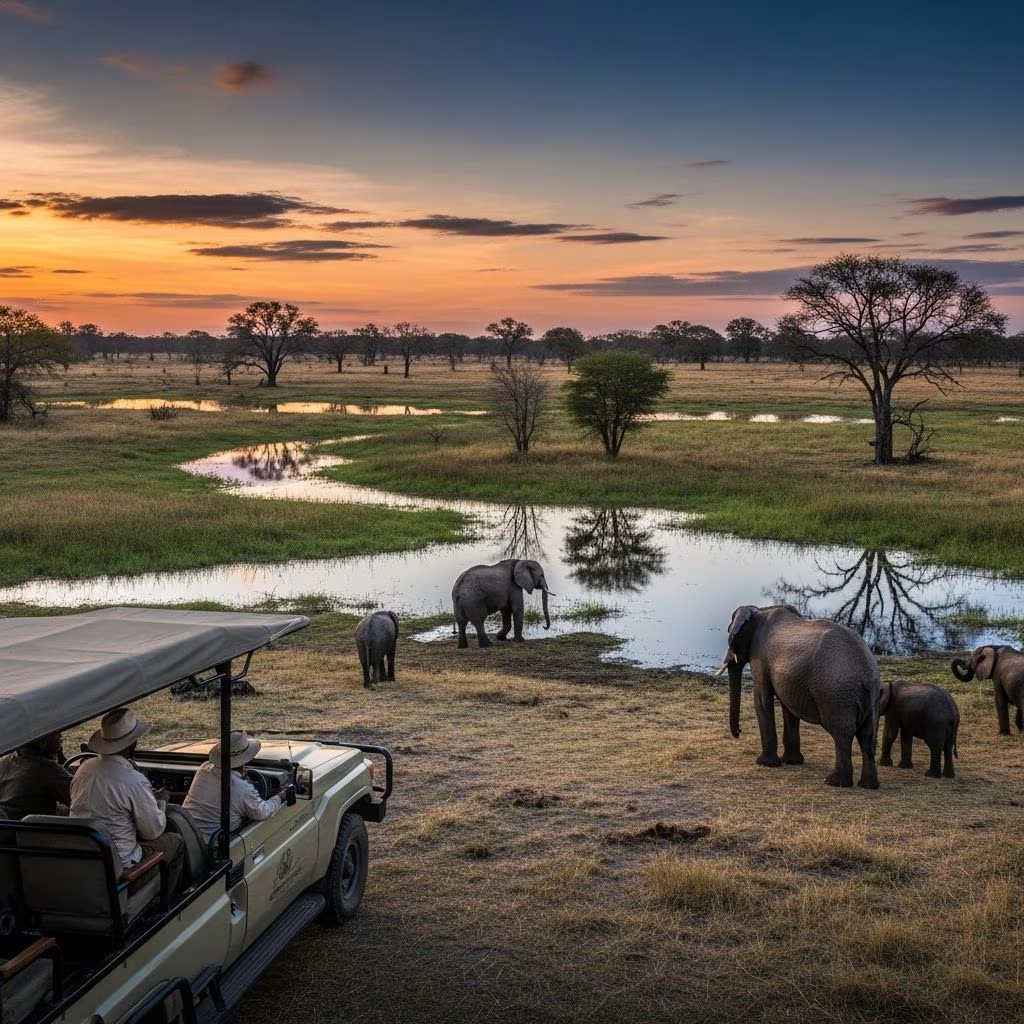
The nation’s conservation efforts have led to thriving populations of elephants, lions, and rare species like wild dogs. Visitors can engage in mokoro rides, game drives, and cultural interactions with indigenous communities, creating a holistic travel experience.
The best period for safaris spans May to October, the dry season when animals congregate around water sources, enhancing sighting opportunities. Daytime temperatures are mild, around 25-30°C, ideal for outdoor activities. Wildlife viewing peaks as vegetation thins, revealing predators like leopards and lions.
November to April brings the wet season, with lush greenery and birdwatching highlights, but roads may become impassable, limiting access to remote areas. Budget travelers might prefer this time for lower rates, though malaria risk increases due to standing water.
| Season | Months | Pros | Cons |
|---|---|---|---|
| Dry | May-Oct | Excellent wildlife viewing, clear roads | Higher prices, crowds |
| Wet | Nov-Apr | Lower costs, bird migration | Rain, limited access |
The Okavango Delta, a UNESCO World Heritage Site, transforms annually as floodwaters from Angola spread across 15,000 square kilometers of Kalahari sands. Navigate its channels by traditional mokoro canoes poled by expert guides, spotting hippos, crocodiles, and birds amid papyrus reeds. Islands host elephants, leopards, and antelopes, offering surreal sunrise safaris.
Access via Maun airstrips for fly-in safaris or self-drive, though 4×4 is essential. Multiday camps provide immersive stays, blending luxury with wilderness.
Home to the world’s largest elephant population, Chobe spans savanna, floodplains, and riverine forests. Boat safaris on the Chobe River yield close views of bathing herds, buffaloes, and predators. Savuti region’s ancient springs attract lions, making it a predator hotspot.
Day trips from Kasane are popular, combining game drives with river cruises for diverse perspectives.
This expansive reserve showcases meerkats, lions adapted to aridity, and seasonal pans drawing zebras. Night drives reveal nocturnal life, while fossil riverbeds hint at ancient waterways. Ideal for rugged self-drive adventures.
These vast salt pans host zebra migrations and flamingo flocks post-rains. Quad biking and starlit camping create magical evenings. Tsodilo Hills nearby feature 24,000-year-old San rock art, a cultural gem.
Public transport is limited; buses connect major towns like Gaborone, Maun, and Kasane but run irregularly. Renting a 4×4 vehicle offers flexibility for self-drive safaris, enabling car camping at lodges to cut costs.
A valid passport with six months’ validity is required; no visa for many nationalities. Drive on the left; fuel up in towns.
Opt for neutral-toned, lightweight layers: breathable shirts, long pants for evenings, and hats. Binoculars, high-SPF sunscreen, and malaria prophylactics are musts. Footwear should include sturdy boots for walks and water shoes for mokoros.
Choices range from budget campsites to opulent tented camps. Chobe and Delta lodges often include meals and activities. Kasane serves as a gateway with hotels near the Namibia/Zambia borders. Maun offers urban respite with markets and eateries.
Book eco-lodges supporting conservation; many have private airstrips.
Beyond wildlife, connect with the San people in the Kalahari through guided walks learning bushcraft. Maun’s markets showcase crafts and cuisine like seswaa (shredded beef). Kasane buzzes with cross-border vibrancy.
Botswana is premium-priced; daily budgets range $300-800 USD per person for mid-range safaris. Fuel, park fees (~$30/day), and flights add up. Group tours or self-drive save money. ATMs are in towns; carry cash for rural spots.
| Expense | Low-End | Mid-Range |
|---|---|---|
| Accommodation | $50/night | $300+/night |
| Safari Activity | $100/day | $500+/day |
| Car Rental | $80/day | $150+/day |
Botswana is safe, with low crime; exercise caution in cities at night. Wildlife poses risks—follow guides. Vaccinations for hepatitis, typhoid advised; malaria meds for northern areas. Drink bottled water.
May to October for dry conditions and peak wildlife.
Yes, for self-drive; tracks are rough.
Absolutely, with child-safe lodges and activities.
Self-drive, camp, visit in green season.
Many get 90-day visa-free entry; check per nationality.
A 10-day trip: Days 1-4 Okavango (mokoro, game drives), 5-7 Chobe (boat/river safaris), 8-10 Kalahari (desert exploration). Fly into Maun or Kasane; operators customize.
Botswana delivers authentic Africa—pristine, wild, welcoming. Prepare thoroughly for memories lasting a lifetime.
