

 Travel Essentials
 Travel Essentials

Discover vital insights for exploring Botswana's wild landscapes, from 4WD necessities and seasonal strategies to safety and top attractions like Okavango Delta.
 Travel Essentials
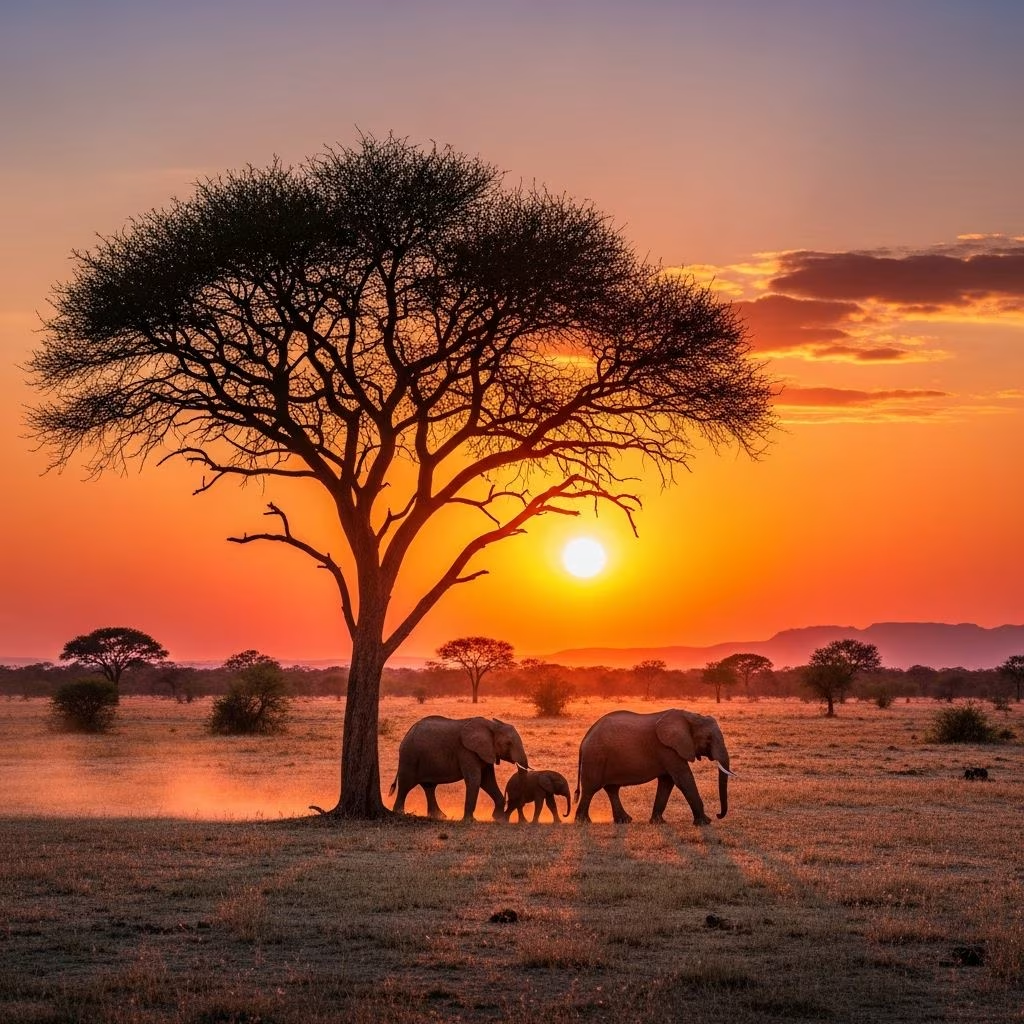
Botswana captivates adventurers with its vast wilderness, teeming wildlife, and unique ecosystems like the Okavango Delta and Chobe National Park. Covering over 17% of its land for conservation, this southern African gem offers unparalleled safari experiences, from elephant herds to rare wild dogs, but demands careful preparation due to remote terrains and seasonal shifts. Whether self-driving or joining guided tours, understanding logistics ensures a seamless journey through its deserts, wetlands, and salt pans.
Botswana’s allure lies in its untamed parks, far from urban hubs, making reliable transport crucial. Public options like buses reach towns but falter in wilderness areas, so most explorers opt for rentals. A sturdy 4WD is essential for national parks, equipped with high clearance for sand, ruts, and floods. Rentals from Maun or Kasane, often including rooftop tents for safe elevated camping away from predators, run about US$150 daily.
Roads challenge even seasoned drivers: main highways suffer potholes, while detours on dirt tracks prove smoother. Short map distances belie slow travel—factor double time for photo stops and obstacles. Tools like the Maps.me app and Tracks4Africa maps provide accurate off-road timings; carry paper backups. Always travel with a satellite phone or companion vehicle for breakdowns, as help is distant.
| Road Type | Conditions | Tips |
|---|---|---|
| Main Highways | Potholed, rutted | Take dirt detours if signed |
| Park Tracks | Sandy, muddy seasonally | 4WD mandatory; check flood status |
| Detours | Often better graded | Use apps for navigation |
Botswana’s climate splits into dry (May-October) and green (November-February) seasons, each with perks. Dry months concentrate animals at waterholes, ideal for sightings of elephants—the world’s largest population—and predators like lions that tackle hippos. Peak July-August brings high Okavango waters for mokoro (dugout canoe) trips but skyrockets prices and crowds.
Green season offers lush scenery, vibrant birds, butterflies, and waived solo supplements for budget solo travel. Wildlife disperses but antelope herds thrive; avoid self-driving due to impassable mud. Shoulder months like April or November balance value and visibility. U.S. citizens enjoy 90-day visa-free entry; passports need six months validity.
The Okavango Delta, a UNESCO site, transforms floods into a watery labyrinth of islands and marshes, perfect for mokoro glides amid serene mornings. Spot hippos, crocs, and birds; time visits for July-August peaks. Chobe National Park boasts elephant meg herds along the river—explore by boat or jeep for crocs, buffalo, and lions.
Kalahari parks reveal meerkats, lions, and zebra migrations in summer; Makgadikgadi Pans stun with otherworldly flats. Tsodilo Hills, another UNESCO gem, showcases 24,000-year-old rock art amid volcanic hills. Moremi Game Reserve complements Delta wildlife. Low bed limits ensure exclusivity—no vehicle traffic jams like in busier parks.
Botswana ranks safe, especially rurally—standard precautions suffice in cities like Gaborone. Level 2 U.S. advisory urges increased caution due to petty crime. Tsetse flies bite; wear long sleeves, avoid dark clothes. Malaria risk varies—consult CDC for prophylaxis in northern wetlands. Vaccinations: routine plus hep A/B, typhoid; yellow fever if from endemic areas.
Currency is pula (BWP); cards work in towns, but cash rules remoteness—ATMs sparse. Fuel up often; stations few outside highways. Pack water purifiers, first-aid, binoculars, and neutral clothing for camouflage. Respect rules: no off-road driving, maintain 60km/h park limits.
Self-drivers embrace freedom but shoulder risks—rent fully kitted 4WDs. Guided safaris offer mokoros, walks, horse rides, and boats for fresh perspectives, safer in floods. Lodges cap visitors for intimacy; green season bargains abound. Solo women travelers report ease, urging confidence.
Beyond wildlife, connect with diverse tribes valuing nature. Events like Nkashi Classic showcase mokoro heritage. Markets in Maun offer crafts; homestays reveal hospitality. Conservation focus bans hunting since 2014, boosting populations.
Daily costs: US$200-500 self-drive (fuel, camps ~US$50/night), US$500+ luxury camps. Save off-peak; group joins cut solo fees. Fuel ~BWP15/liter; meals BWP100.
| Expense | Low Season (USD) | Peak (USD) |
|---|---|---|
| 4WD Rental/Day | 150 | 200 |
| Camp/Lodge/Night | 50-200 | 300-1000 |
| Park Fees/Day | 30 | 30 |
| Mokoro Trip | 50 | 100 |
Botswana’s low-impact model thrives on mindful tourism—leave no trace, support anti-poaching. Choose operators backing communities; offset flights.
Many nationalities, including U.S., enter visa-free for 90 days. Confirm passport validity.
Yes, with precautions; roads demand buddies, but hospitality shines.
July-August for high water; green season for value.
Yes, especially Chobe and Moremi: lion, leopard, elephant, buffalo, rhino (reintroduced).
US$300-800/day all-in; self-drive slashes to US$200.
Botswana rewards the prepared with raw, exclusive beauty—plan wisely for lifetime memories.
