


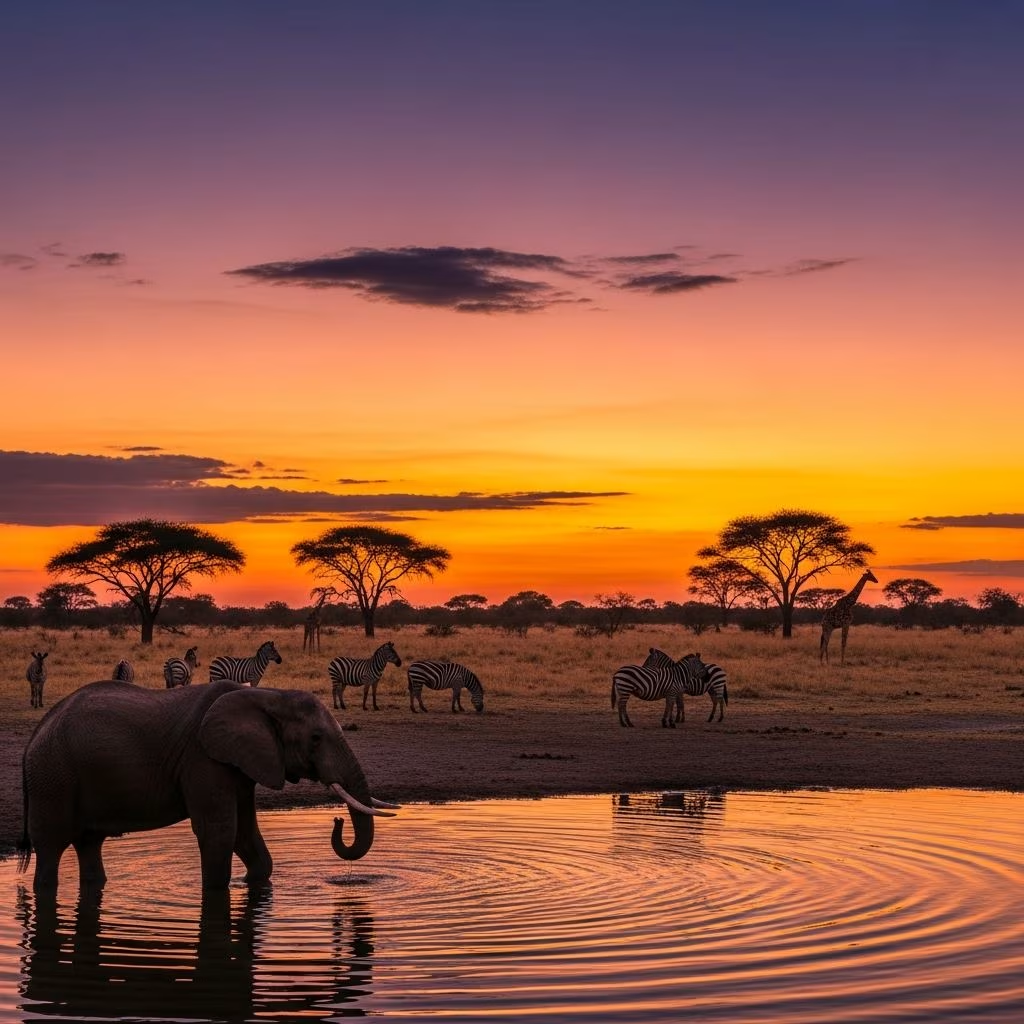
Botswana stands as one of Africa’s most remarkable wildlife destinations, hosting an extraordinary collection of protected landscapes that showcase the continent’s natural diversity. The country’s commitment to conservation has resulted in the establishment of numerous national parks and game reserves that attract visitors from around the globe seeking authentic safari experiences. This guide examines Botswana’s most significant protected areas, detailing what makes each destination unique and how they contribute to the broader tapestry of African wildlife tourism.
Understanding Botswana’s Protected Ecosystem Network
The protections established across Botswana represent decades of conservation effort and strategic land management. These sanctuaries encompass varied terrain ranging from riverine forests to vast salt pans, from dense woodlands to open floodplains. Each environment supports distinct wildlife populations and ecological communities, collectively making Botswana an unparalleled destination for nature enthusiasts and wildlife photographers. The parks vary significantly in size, accessibility, and the types of experiences they offer, allowing visitors to tailor their journeys to their specific interests and capabilities.
The Riverine Wilderness: Understanding Aquatic Safari Experiences
One of Botswana’s most biologically diverse territories encompasses approximately 10,000 square kilometers of rich, interconnected ecosystems situated in the northern reaches of the country. This region is characterized by its prominent water systems, which create ideal conditions for wildlife concentration and observation. The deep blue river running through this area serves as a natural gathering point for countless animal species, particularly during drier seasons when water becomes scarce across surrounding landscapes.
The riverine environment hosts Africa’s most impressive concentrations of large herbivores, including substantial populations of buffalo and the continent’s largest elephant herds. Beyond these megafauna, the region supports diverse bird communities, making it particularly rewarding for ornithological enthusiasts. The combination of permanent water sources and lush vegetation creates a microclimate that differs dramatically from surrounding areas, supporting species that may not thrive in drier regions.
This sanctuary was Botswana’s pioneering national park, established as the nation’s first such formal protection. Its designation marked a significant commitment to wildlife preservation and set the precedent for subsequent conservation efforts throughout the country. The park comprises four distinct geographical and ecological zones, each offering different wildlife viewing opportunities and landscape experiences.
- Riverfront zone: Features dense mahogany and teak woodlands with lush floodplains
- Northern pans region: Characterized by more open terrain with seasonal water accumulation
- Western lowlands: Mixed woodland and grassland environments
- Central wildlife corridor: Connecting passages that facilitate seasonal animal movement
The Crystalline Expanses: Salt Pan Ecosystems and Seasonal Transformations
Located in northeastern Botswana, a massive complex of salt pans creates one of the world’s largest and most visually striking mineral landscapes. This surreal terrain, often described as resembling a shimmering sea or lunar landscape, represents the remnants of what was once an enormous prehistoric lake exceeding the area of Switzerland in extent.
The distinctive character of this environment lies in its dramatic seasonal transformation. During dry periods, the pans present a stark, crystalline expanse of white and grey mineral deposits creating an otherworldly aesthetic that attracts photographers and adventurers seeking unusual natural phenomena. However, during rainfall seasons, these same areas transform into temporary wetlands that attract massive wildlife concentrations and bird populations.
The ecosystem hosts Africa’s most substantial zebra populations during certain periods, with populations reaching into the hundreds of thousands during seasonal migrations. The pans also attract diverse avifauna, including flamingos and countless other migratory bird species that arrive to exploit seasonal abundance of food resources. This cyclical pattern of abundance and scarcity creates dynamic ecological conditions that support varying species compositions throughout the year.
The Delta Wilderness: Floodplain Diversity and Lagoonal Ecosystems
The expansive delta system in northern Botswana represents one of Africa’s most unique wilderness areas, featuring an intricate mosaic of water systems, vegetation types, and ecological niches. Unlike traditional river systems that flow to the ocean, this delta spreads across a vast interior landscape, creating an ever-shifting network of lagoons, channels, islands, and floodplains.
Within this broader system lies a designated reserve established in 1963 as Africa’s pioneering conservation effort driven by local community leadership. This reserve encompasses approximately 4,871 square kilometers and was specifically created to protect dwindling wildlife populations. The reserve’s forests, lagoons, floodplains, and islands create extraordinarily diverse habitats supporting species including tsessebe antelope, Burchell’s zebras, ostriches, and spotted hyenas.
The delta’s varied terrain provides distinct advantages for wildlife viewing. Island environments offer concentrated animal populations as species seek vegetation and water during dry seasons. Lagoons support fish populations that attract fishing birds and water-dependent mammals. Open floodplains provide grazing opportunities for bulk grazers during wet seasons when vegetation flourishes. This environmental heterogeneity means that different seasons and different locations within the delta offer substantially different wildlife viewing opportunities.
Comparative Overview of Major Protected Areas
| Protected Area | Primary Landscape Type | Size/Characteristics | Premier Wildlife | Optimal Visiting Season |
|---|---|---|---|---|
| Northern Riverine Park | Riverine forest and floodplain | 10,000+ km², permanent water | Elephants, buffalo, diverse birds | Dry season (June-September) |
| Salt Pan Region | Mineral pans and grassland | Vast open terrain | Zebras, flamingos, wildebeest | Wet season (November-March) |
| Delta System | Floodplain and lagoon | 4,871 km² reserve area | Tsessebe, zebras, hyenas, birds | Year-round access |
Seasonal Patterns and Wildlife Migration Dynamics
Botswana’s protected areas experience pronounced seasonal variations that dramatically influence wildlife distribution and behavior. During dry winter months, typically from June through September, animals concentrate around permanent water sources, particularly riverine areas. This concentration creates exceptional viewing opportunities as wildlife populations compress into smaller areas, making encounters more frequent and predictable.
Conversely, the wet season from November through March brings dispersal patterns as rainfall creates temporary water throughout the landscape. Animals spread across broader territories as vegetation flourishes and seasonal ponds and streams become available. This dispersal can make viewing more challenging in some respects, though it allows observation of animal behavior in more natural, less concentrated conditions.
During transition periods between seasons, extraordinary wildlife movements occur as animals respond to changing environmental conditions. These migrations create dramatic viewing opportunities for those timing their visits appropriately, though such periods require flexibility and patience from observers.
Activity Experiences and Specialized Safari Opportunities
Botswana’s protected areas facilitate diverse approaches to wildlife exploration beyond traditional vehicle-based game drives. The riverine systems, particularly those featuring prominent water courses, enable boat-based safaris that provide unique perspectives on wildlife and create opportunities for closer approaches to water-dependent species.
Photography enthusiasts find exceptional opportunities throughout Botswana’s parks, particularly where specialized flora creates distinctive imagery. Ancient baobab trees scattered across certain landscapes provide characteristic framing elements for wildlife photography. The varied topography, from flat pans to dense forests, offers diverse compositional possibilities.
Birdwatchers discover remarkable opportunities given the high species diversity supported across multiple habitat types. Lagoon systems attract concentrated bird populations, while open grasslands host grassland specialists, and forest environments shelter woodland species. The scale and diversity of bird communities makes Botswana particularly rewarding for ornithological pursuits.
Conservation Philosophy and Community Integration
The protection of these wilderness areas reflects a broader conservation philosophy that recognizes the intrinsic value of intact ecosystems and the importance of preserving wildlife populations for future generations. The pioneering establishment of the first major reserve through community initiative demonstrates how local populations can champion conservation efforts.
Contemporary management approaches increasingly emphasize integration with local communities, recognizing that sustainable conservation requires balancing wildlife protection with human livelihoods and cultural practices. This philosophy has helped Botswana maintain relatively stable wildlife populations despite pressures facing many other African nations.
Planning Your Botswana Wildlife Journey
Selecting appropriate protected areas depends on individual interests, available time, and preferred travel style. Those seeking reliable encounters with massive elephant populations and intensive wildlife concentration should prioritize riverine systems during dry seasons. Visitors interested in unusual landscapes and seasonal phenomena should consider salt pan regions during transformation periods. Those preferring diverse ecosystem types and longer-term visits might explore delta systems where multiple habitat types create varied experiences.
Accommodations range from luxury lodges offering comprehensive services to more basic facilities suited to budget-conscious travelers. Many parks offer guided experiences where professional naturalists enhance visitor understanding through interpretation and navigation. Independent vehicle travel is possible in certain areas for those preferring self-directed exploration.
References
- 3 National Parks You Must Visit in Botswana — World Vegan Travel. Accessed April 2026. https://worldvegantravel.com/blog/3-national-parks-you-must-visit-in-botswana/
- Botswana’s unmissable national parks are truly wild — Lonely Planet. Accessed April 2026. https://www.lonelyplanet.com/articles/best-national-parks-botswana
- Top 5 Botswana National Parks to Visit — Wilderness Travel. Accessed April 2026. https://www.wildernesstravel.com/africa/botswana/best-parks-botswana/
- Botswana’s best-known national parks — Yellow Zebra Safaris. Accessed April 2026. https://yellowzebrasafaris.com/us/trips/botswanas-best-known-national-parks/
- Chobe National Park — Wikipedia. Accessed April 2026. https://en.wikipedia.org/wiki/Chobe_National_Park
- Best Private Game Reserves in Botswana — Go2Africa. Accessed April 2026. https://www.go2africa.com/african-travel-blog/going-private-getting-best-botswana
- The Wild And Magnificent National Parks Of Botswana — World Atlas. Accessed April 2026. https://www.worldatlas.com/articles/the-wild-and-magnificent-national-parks-of-botswana.html

