

 Travel Essentials
 Travel Essentials

Discover key insights for first-time visitors to Brussels: top sights, transport hacks, safety advice, and cultural nuances for a seamless trip.
 Travel Essentials
Brussels, the vibrant capital of Belgium and unofficial hub of the European Union, blends historic charm with modern flair. This guide equips you with practical knowledge to navigate its bilingual streets, iconic squares, and diverse neighborhoods confidently.
Brussels welcomes travelers through two primary airports: Brussels Airport (BRU) in Zaventem, the main international hub north of the city, and Brussels South Charleroi Airport (CRL), a budget option farther south. BRU offers direct links to city center via train in about 20 minutes, while CRL requires a shuttle bus taking around 50 minutes. Always confirm your airport when booking flights to avoid surprises.
Upon landing at BRU, purchase a GO Pass for seamless train travel to any Belgian station. Taxis and buses are alternatives, but trains are fastest and most reliable.
Brussels features three major stations: Bruxelles-Midi (South), Bruxelles-Central, and Bruxelles-Nord (North). Midi is the busiest, handling Eurostar, Thalys, and international routes. Central Station sits in the historic core, ideal for tourists, while Nord connects northern areas. Double-check station names on tickets to prevent mix-ups, as names vary in French, Dutch, and English.
| Airport | Location | Travel Time to Center | Best For |
|---|---|---|---|
| BRU (Zaventem) | 12km North | 20-30 min train | Major airlines, convenience |
| CRL (Charleroi) | 55km South | 50-70 min bus | Low-cost carriers |
Opt for BRU if prioritizing speed; choose CRL for savings on flights.
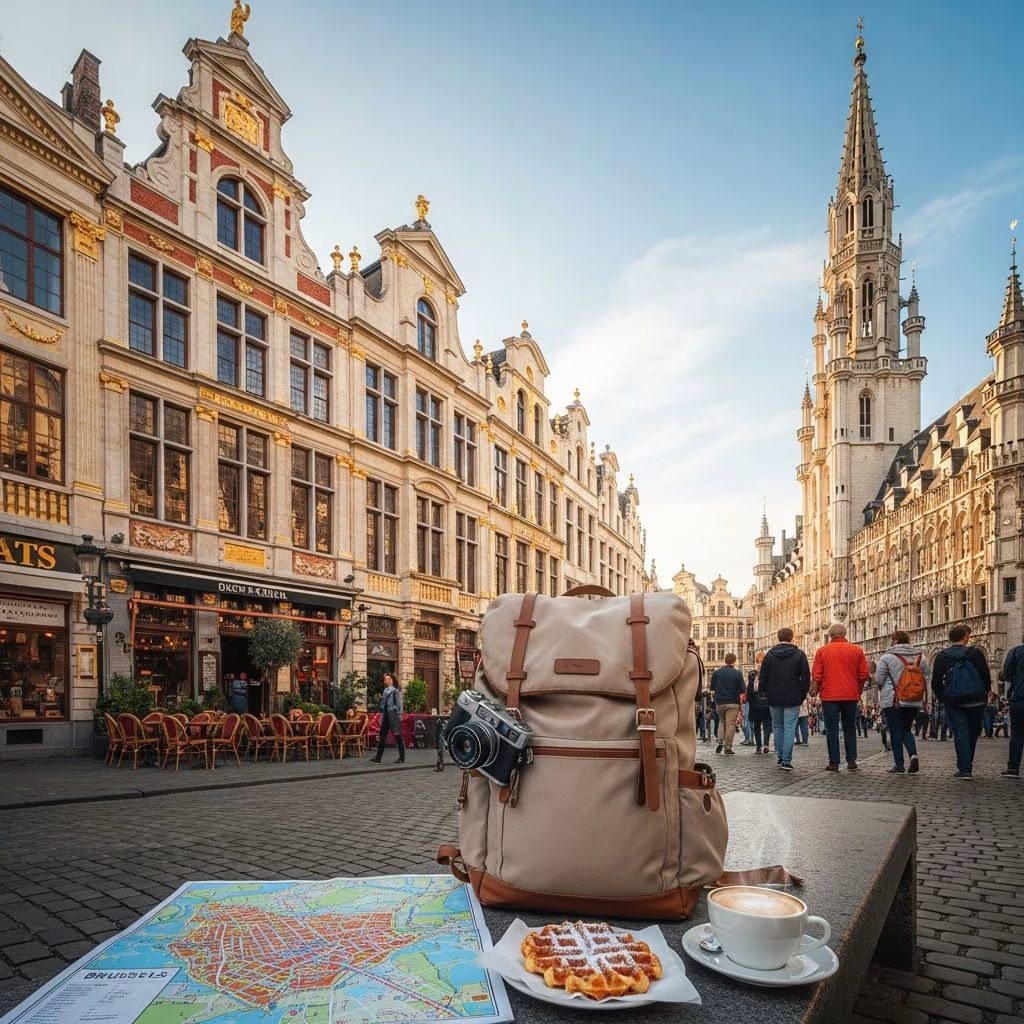
Start at **Grand Place**, a UNESCO-listed square framed by gilded guildhalls, the Gothic Town Hall, and King’s House. Visit daytime for architecture and evenings for lights. Nearby, the 2-foot Manneken Pis statue symbolizes cheeky Belgian humor—check for its frequent costume changes.
Don’t miss the Atomium, a 1958 World’s Fair relic with panoramic views from its nine spheres. The Art Nouveau Horta Museum showcases architect Victor Horta’s innovative designs. Cathedral of St. Michael and St. Gudula offers Gothic splendor and city vistas.
Venture into vibrant districts for authentic vibes:
These areas reveal Brussels’ multicultural pulse, far from tourist throngs.
The compact center is walker-friendly, with Grand Place to Atomium under 5km. Public transport includes metro, trams, and buses via STIB/MIVB. Buy a MOBIB card for reloadable fares; single tickets cost €2.50. Walking beats traffic jams; bikes via Villo! stations add fun. Avoid driving—parking is scarce, and navigation tricky.
The **Brussels Card** grants free entry to 40+ museums, unlimited transport, and discounts. Ideal for 24-72 hour stays, it pays off quickly.
Euros reign; carry cash for taxis, markets, and small vendors—many skip cards. ATMs are plentiful, but watch fees. Contactless payments grow, yet cash ensures flexibility.
Officially bilingual (French/Dutch), Brussels thrives on English too, especially tourist spots. Phrases like “bonjour” or “goedemorgen” endear locals. Menus and signs flip languages—adapt with translation apps.
Petty theft targets tourists at Midi Station, Grand Place, and metros. Use anti-theft bags, avoid flashing valuables, and stay alert evenings. Brussels is safe overall, but vigilance pays.
Most museums shut Mondays; verify hours online. Royal Palace opens summers only. Plan around closures for efficiency.
Temperate maritime climate means rain anytime—pack layers, waterproof jacket, umbrella. Summers (June-August) hit 15-24°C (60-75°F) with festivals; winters chill to 0-6°C. Peak season crowds Grand Place.
Indulge in crispy frites with mayo, Brussels waffles (gaufres de Bruxelles), and 1,000+ beers. Chocolate from Neuhaus or Pierre Marcolini is divine. Try moules-frites (mussels and fries) or carbonnade (beer stew). Street food thrives at markets.
July’s Ommegang pageant revives medieval pageantry at Grand Place. Biennial Flower Carpet blankets the square in begonias. Christmas markets sparkle winters; Zinneke Parade pulses every two years.
High-speed trains whisk to Bruges (1hr), Ghent (50min), or Antwerp (45min) from Midi. Paris (1.5hrs) via Eurostar. Day trips enrich without overnighting.
| Category | Daily Estimate (€) |
|---|---|
| Transport | 5-10 (with card) |
| Meals | 30-50 |
| Attractions | 20-40 |
| Accommodation | 80-150 |
Total mid-range: €150-250/day. Save with cards and markets.
Summer for festivals; shoulder seasons (spring/fall) for fewer crowds and mild weather.
Yes, the historic center is highly pedestrian-friendly.
Waffles, frites, chocolate, and local beers.
Yes, especially in tourism areas.
3-4 for essentials; add for day trips.
