

 Travel Essentials
 Travel Essentials

A comprehensive guide to Buenos Aires covering neighborhoods, attractions, transportation, dining, and practical travel tips for visitors exploring Argentina's capital city.
 Travel Essentials
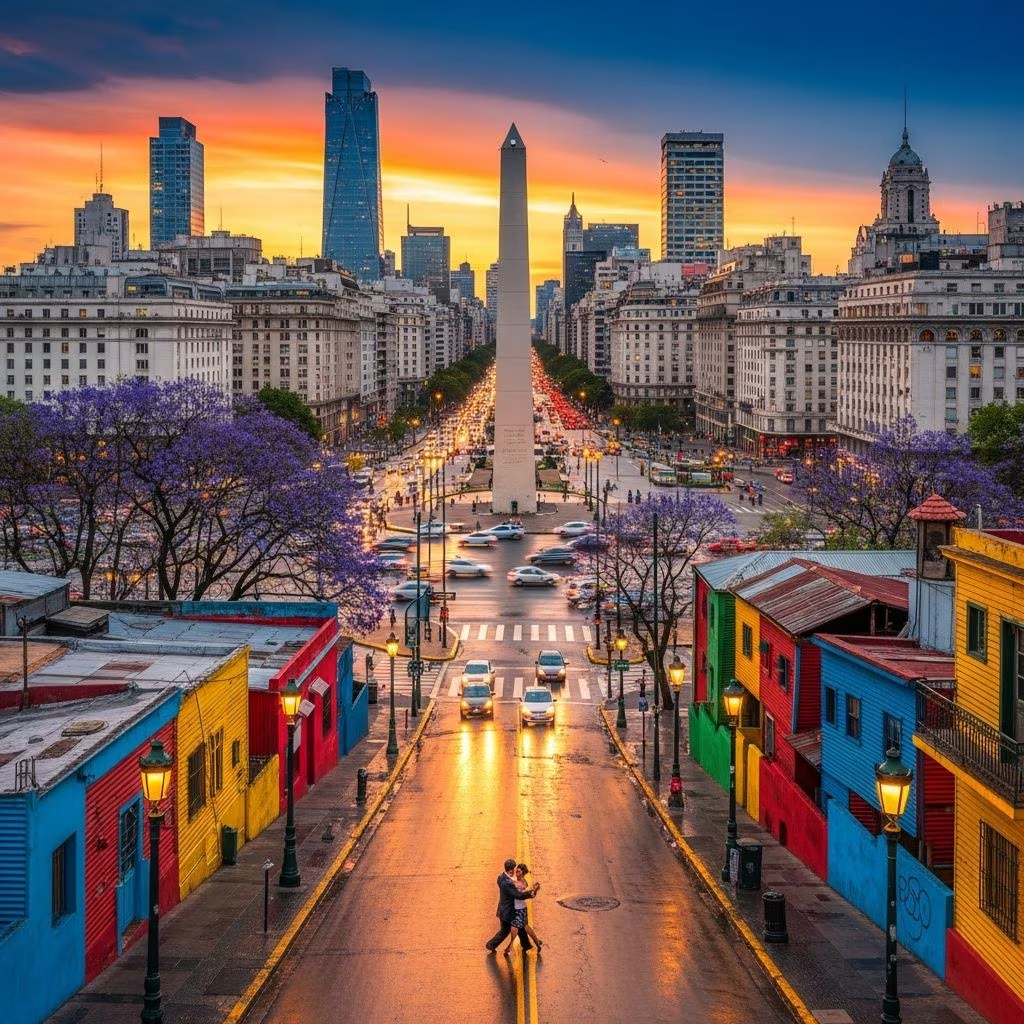
Buenos Aires, the capital of Argentina, stands as one of South America’s most captivating destinations, earning its reputation as the “Paris of South America” through its remarkable blend of European-influenced architecture, dynamic cultural scene, and sophisticated urban landscape. This sprawling metropolis welcomes millions of visitors annually who come to experience its distinctive character, vibrant neighborhoods, world-class dining, and the infectious energy that permeates its streets. Whether you’re visiting for the first time or returning to explore further, Buenos Aires offers an inexhaustible array of experiences that cater to every type of traveler.
The city’s true personality emerges through exploration of its distinct neighborhoods, each offering unique atmospheres, architectural styles, and local experiences. These communities function almost as individual villages within the larger urban framework, providing visitors with varied perspectives on Argentine culture and lifestyle.
Recoleta represents Buenos Aires at its most sophisticated and cosmopolitan. This predominantly residential neighborhood showcases the architectural grandeur and opulence that characterized Buenos Aires during its prosperous late nineteenth-century period, when the city ranked among the world’s wealthiest metropolitan areas. Walking through Recoleta’s tree-lined streets reveals elegant mansions, upscale shops, and fine dining establishments that cater to the neighborhood’s affluent residents and discerning visitors.
The neighborhood houses several essential cultural institutions, including the renowned Museo Nacional de Bellas Artes, which features an impressive collection spanning European masters like Degas, Monet, and Rodin alongside celebrated Argentine artists. Entrance to this museum is complimentary, making it an accessible cultural experience. The Recoleta Cemetery stands as another major draw, functioning as an open-air museum where elaborate mausoleums honor notable Argentine figures, including Eva Perón. This unique burial ground attracts visitors interested in both history and architecture.
South of downtown, San Telmo pulses with artistic energy and bohemian spirit. The neighborhood’s distinctive art nouveau architecture creates a visually rich environment where antique markets, independent galleries, and historic tango dance halls flourish. Cobblestone streets wind through this atmospheric quarter, evoking a strong sense of history and cultural authenticity. While San Telmo offers an idyllic daytime experience for cultural exploration, visitors should exercise caution during evening hours, as certain areas become quieter and less secure.
Northern Buenos Aires hosts Palermo, the city’s largest neighborhood, which itself subdivides into distinct sub-districts. Palermo Soho, stretching between Scalabrini Ortiz and Juan B. Justo streets, emerges as the neighborhood’s trendiest section, featuring fashionable boutiques, meticulously renovated historic residences, and exceptional restaurants. This area represents the cutting edge of Buenos Aires’ contemporary culinary and design scenes, where international influences blend with Argentine traditions.
La Boca captivates visitors with its visually distinctive character, featuring brightly painted wooden houses and structures constructed from sheet metal, creating a kaleidoscopic streetscape. El Caminito, a celebrated pedestrian thoroughfare within this neighborhood, draws crowds with its colorful architecture, artisan shops, museums, and spontaneous tango performances. However, visitors should remain cautious regarding petty theft during daytime visits and avoid the area after dark.
Buenos Aires boasts an extraordinary concentration of museums, theaters, and architectural monuments, with over 380 bookstores, 287 theaters, and 160 museums serving as testimony to its cultural vitality.
Beyond the Museo Nacional de Bellas Artes, Buenos Aires offers the Malba Museum, showcasing distinguished Latin American art collections. The city’s museum landscape reflects diverse interests, from specialized institutions like the Museo de Mate in Tigre—dedicated to Argentina’s famous loose-leaf tea tradition—to comprehensive art museums.
Approximately 30 kilometers from central Buenos Aires, Tigre presents a scenic alternative featuring a series of canals lined with vacation cottages that appeal particularly to locals seeking weekend retreats. This area combines natural beauty with cultural offerings, including the aforementioned Museo de Arte de Tigre, housed within a 1912 social club building dedicated to Argentine artists. Accessible via train from Retiro station, the scenic Tren de la Costa provides an enjoyable journey with stops along the route for coastal exploration. Alternatively, organized day tours depart from the city center, typically including both van transportation and boat tour components.
Buenos Aires provides accessible and generally reliable transportation options suitable for both daily commuting and tourist exploration.
The city’s public bus network operates extensively across all neighborhoods, with estimated service ranging from 100 to 400 different lines providing round-the-clock coverage. While comprehensive, the bus system requires route planning, with fares varying according to distance traveled. Google Maps, BA Como Llego, and Moovit applications assist travelers in route planning and schedule verification.
The subway system, designated SUBET, offers more straightforward navigation for visitors. The green D line connects major attractions, commencing at Plaza de Mayo and proceeding through Recoleta, Palermo, and Belgrano. Access to all public transportation requires a SUBE card; cash payment is not accepted. These cards are available at larger subway terminals and train stations. The subway provides the most efficient means of traversing the city center and reaching peripheral neighborhoods.
Approximately 300 kilometers of dedicated bicycle lanes facilitate cycling throughout Buenos Aires, enabling two-wheeled exploration for those comfortable with urban cycling. Walking remains a highly viable option within central neighborhoods, as the city’s emblematic broad avenues simplify navigation by foot. The overall urban layout proves intuitive for pedestrian exploration, particularly within neighborhoods like Recoleta, San Telmo, and Palermo.
Buenos Aires has established itself as a premier culinary destination where talented chefs synthesize Argentina’s abundant local produce with international cooking traditions and techniques. The city’s dining scene ranges from casual neighborhood eateries to Michelin-recognized establishments, reflecting both traditional Argentine cuisine and contemporary gastronomic innovation. Food tours provide structured opportunities to sample regional specialties while gaining cultural insights into local eating traditions.
Tango, originating on Buenos Aires’ streets during the eighteenth century, remains integral to the city’s cultural identity. Experiencing live tango performances through dedicated tango shows offers visitors authentic exposure to this passionate art form. Establishments like El Viejo Almacen combine tango performances with dinner service, creating immersive cultural experiences. Beyond formal venues, spontaneous tango performances frequently occur in public spaces like La Boca’s El Caminito street, providing organic encounters with this essential Argentine tradition.
Buenos Aires displays an extensive street art scene across its neighborhoods, from La Boca to Palermo Hollywood. Organized walking tours, such as those offered by Graffitimundo, provide guided exploration of the city’s vibrant mural culture and contemporary artistic expression. Alternative platforms including GetYourGuide and Viator offer guided street art experiences requiring shorter advance booking periods.
| Aspect | Details |
|---|---|
| Getting Around | SUBE card required for public transport; subway most efficient for central areas |
| Neighborhood Safety | Generally safe; exercise caution in La Boca and San Telmo after dark |
| Cultural Attractions | Many museums offer free entry; advance booking recommended for palace tours |
| Dining Experiences | Varied options from street food to fine dining; food tours offer cultural immersion |
Buenos Aires rewards both structured itinerary planning and spontaneous neighborhood wandering. The city’s architectural diversity, reflecting neoclassical, art nouveau, and art deco influences, creates a visually stimulating environment that evolves with each neighborhood explored. Its robust cultural infrastructure, combined with accessible public transportation and diverse dining options, ensures visitors of varying interests and preferences discover authentic experiences. Whether immersing yourself in tango culture, exploring bohemian artistic quarters, admiring European-influenced architecture, or savoring culinary innovations, Buenos Aires delivers the sophisticated urban experience that has earned its designation as South America’s most European city.
