

 Travel Essentials
 Travel Essentials

Uncover the best of Busan: from stunning beaches and historic temples to colorful villages and bustling markets. Your guide to Korea's seaside paradise.
 Travel Essentials
Busan, perched on South Korea’s southeastern coast, blends urban energy with natural beauty, earning its spot as the nation’s second-largest city and key maritime center. Unlike the fast-paced capital Seoul, Busan offers a relaxed vibe with pristine beaches, ancient temples, lively markets, and artistic neighborhoods that captivate visitors year-round.
This port city has evolved from a vital trading post during historical conflicts into a modern hub of culture and cuisine. Its strategic seaside location fostered a rich heritage, seen in preserved sites and bustling districts. Whether you’re drawn to sun-soaked shores, spiritual sanctuaries, or street food adventures, Busan delivers diverse experiences.
With mountains framing its coastline, the city provides scenic hikes, panoramic vistas, and festivals that highlight its dynamic spirit. Summers buzz with beachgoers, while winters invite cozy market explorations and light shows.
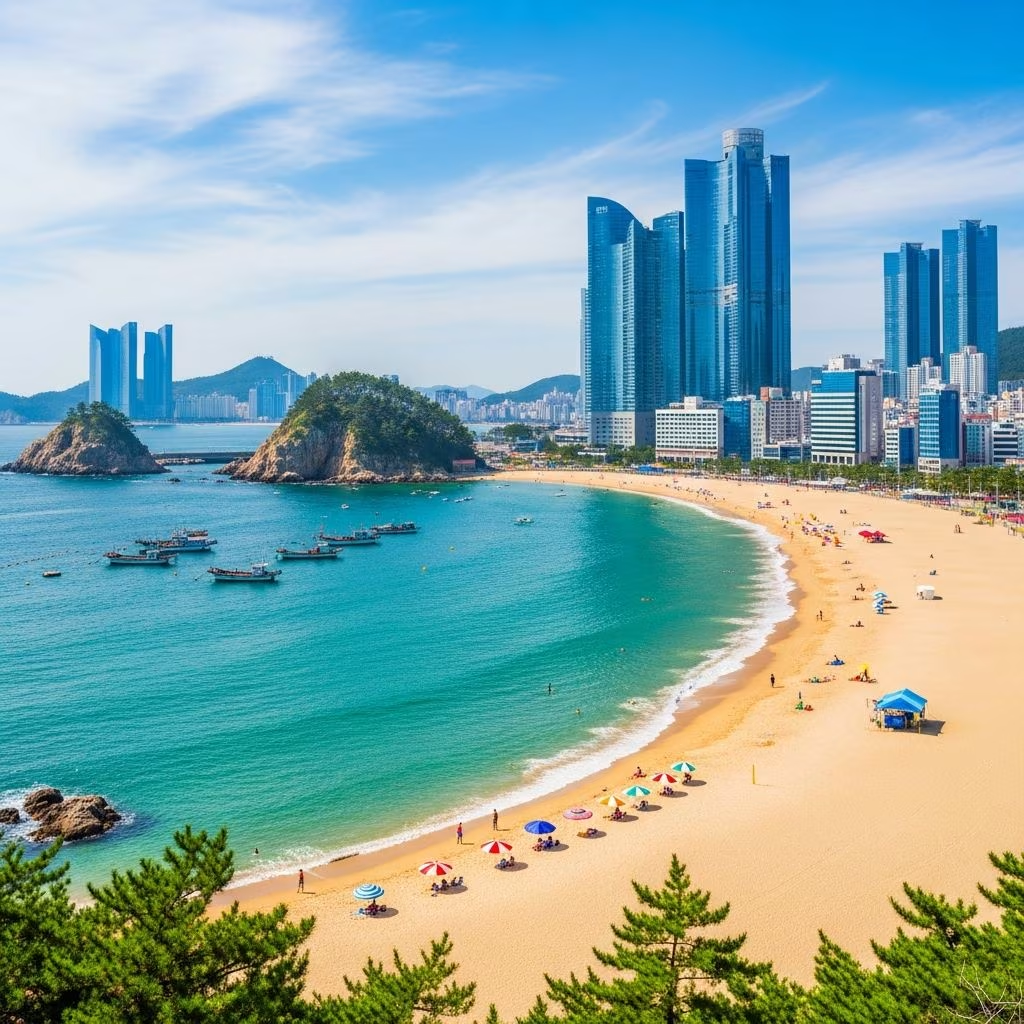
Busan’s coastline boasts some of Asia’s finest beaches, perfect for lounging, water sports, or dramatic sunsets.
These shores cater to all: families paddle in shallow waves, while surfers chase swells. Nearby promenades offer bike rentals and seafood shacks for fresh catches.
Buddhist temples dot Busan’s landscape, offering tranquility amid urban hustle. The standout is Haedong Yonggungsa Temple, constructed in 1376 on rugged cliffs overlooking the sea. Dawn visits reveal golden sunlight bathing ornate statues and crashing waves below, creating a magical scene.
Climb stone steps for closer views of the 12-headed dragon statue and prayer halls. It’s a pilgrimage site where visitors toss coins into crystal waters for good fortune. Early mornings dodge peak crowds, allowing peaceful meditation.
Nicknamed Korea’s Santorini, Gamcheon Culture Village perches on steep hillsides with rainbow-hued homes, murals, and installations. Originally a 1950s refugee settlement from the Korean War, it was revitalized in 2009 into an open-air gallery.
Wander narrow alleys to uncover quirky statues, rooftop cafes, and photo ops at sky mirrors. Little libraries and art workshops invite interaction. Start from the upper viewpoint for a sweeping panorama before descending into the vibrant maze.
Busan’s markets pulse with local life, offering fresh seafood, street eats, and bargains.
| Market | Highlights | Best Time |
|---|---|---|
| Jagalchi Fish Market | Live seafood tanks; pick-and-cook service; raw fish spots like Jackie’s Seafood | Mornings for freshest catches |
| Gukje Market | International goods, vintage items, street food; historic trading vibe | Daytime for shopping |
| BIFF Square | Film festival legacy; trendy cosmetics, snacks like tteokbokki | Evenings for buzz |
| Bupyeong (Kkangtong) Market | Nighttime street food; fish cakes, Korean dishes | After 7 PM |
At Jagalchi, select wriggling octopus or crab for instant grilling upstairs. Gukje, meaning ‘international,’ harks to its Korean War role as a foreign goods hub.
Elevate your perspective at Busan Tower in Yongdusan Park. This 120-meter spire provides 360-degree sweeps of the harbor, bridges, and skyline. The park below hosts performers and vendors, ideal for downtime.
For bridge admirers, Gwangan (Diamond) Bridge glows nightly, best viewed from Gwangalli. Its double-deck design spans 7.4 km, symbolizing Busan’s engineering prowess.
Honor the past at the UN Memorial Cemetery, the sole UN site for Korean War fallen soldiers. Serene paths wind past monuments, evoking solemn reflection.
The Busan Museum traces the city’s arc from ancient pottery to maritime dominance, with artifacts illuminating its trade legacy.
Seomyeon contrasts sleek skyscrapers with gritty alleys, neon cafes, and vendors hawking noodle soups. Evening walks capture its eclectic energy.
Nampo-dong tempts with skincare hauls, antiques, and fashion at Seoul-beating prices. Underground arcades add variety.
Spring (April-June) and fall (Sept-Nov) offer pleasant weather, fewer crowds, and festivals. Summers are beach-perfect but humid.
Yes—beaches, aquariums, and parks suit all ages. Temples provide calm educational outings.
3-5 days cover highlights; add more for day trips like Geumjeongsan hikes.
Plentiful: tteokbokki, veggie pancakes, temple cuisine. Ask for ‘chaesikjueyo’.
Gwangalli lights, Seomyeon bars, beachfront clubs. Safe and vibrant.
Day 1: Beaches & Bridge – Haeundae morning, Gwangalli evening lights.
Day 2: Culture & Temples – Gamcheon, Haedong Yonggungsa.
Day 3: Markets & Views – Jagalchi, Gukje, Busan Tower.
Extend for museums or parks. Busan’s walkability and transit make exploration seamless.
