 Stays
StaysStays
Business Class vs First Class: Key Differences and Value
Explore the differences between business and first class flights, compare amenities and pricing, and discover proven strategies to book premium cabins affordably.
 Stays
StaysUnderstanding the Premium Travel Landscape
Air travel has evolved dramatically over the past two decades, with airlines creating increasingly sophisticated cabin offerings to cater to different traveler needs and budgets. While economy class remains the most common choice for millions of passengers annually, premium cabins—particularly business and first class—represent a fundamentally different travel experience. Understanding the distinctions between these two tiers is essential for travelers considering a luxury upgrade or those seeking to maximize their travel investment.
The decision between business and first class extends beyond simply choosing between two expensive options. Each cabin category offers distinct advantages, drawbacks, and value propositions depending on individual priorities, flight duration, and budget constraints. For corporate travelers, frequent flyers, and those seeking enhanced comfort on long-haul journeys, this comparison becomes increasingly relevant.
Cabin Comfort and Seating Configuration
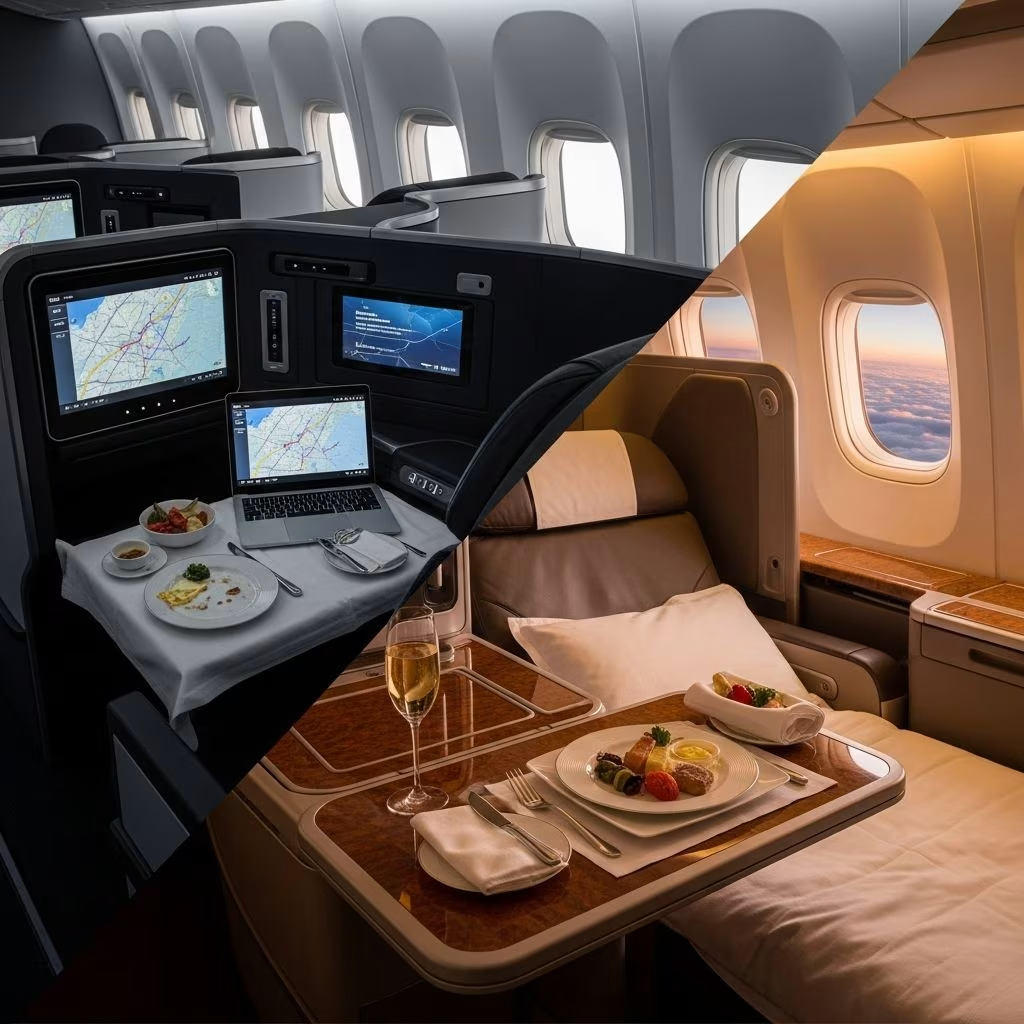
The physical space available to passengers represents one of the most tangible differences between premium cabin offerings. Business class typically features seats that transform into fully flat beds on international flights, providing genuine sleeping surfaces for overnight journeys. These beds generally measure between 6 and 6.5 feet in length, allowing most passengers to rest comfortably during extended flights.
First class elevates this concept further by offering private suites on select airlines and routes. Rather than simply reconfiguring a seat into a bed, first class passengers aboard certain aircraft enjoy completely enclosed compartments with sliding doors, creating genuine privacy during the flight. These suites typically include direct aisle access, eliminating the need to disturb fellow passengers when moving about the cabin. The reduced cabin density in first class—with significantly fewer total seats—means each passenger commands substantially more physical space than business class counterparts.
The cabin atmosphere also differs markedly between the two classes. Business class cabins accommodate more passengers while still maintaining a premium feel, whereas first class cabins are deliberately kept small and intimate. This architectural difference creates a quieter, more peaceful environment in first class, though business class still offers a substantial improvement over economy’s crowded conditions.
Dining and Beverage Service Distinctions
Food and beverage service represents another significant differentiation point between premium cabin classes. Business class passengers receive high-quality meals prepared fresh onboard, complemented by premium alcoholic and non-alcoholic beverages. Airlines typically offer multiple dining options, allowing passengers to choose from several entrées and customize their meal experience.
First class transforms dining into a curated culinary experience. Many first class cabins feature Michelin-starred menus or meals developed by renowned chefs, with fine dining presentations and wine pairings selected specifically for the route. Service staff maintain higher attention to detail, with personalized recommendations and flexible timing that accommodates individual passenger preferences rather than fixed service schedules. The dining service in first class often begins before takeoff and continues throughout the flight at passenger discretion, providing restaurant-quality flexibility rarely seen in business class.
Both cabin classes offer complimentary premium spirits, champagne, and exclusive wines unavailable to economy passengers. However, first class typically includes access to rare vintages and curated selections, whereas business class focuses on quality without necessarily offering limited-edition or exceptionally rare offerings.
Airport Experience and Ground Services
The premium experience begins before passengers board the aircraft, with ground services distinguishing business and first class offerings significantly. Business class travelers benefit from priority check-in counters, dedicated security lanes when available, and priority boarding immediately before general passengers board. Most airlines provide business class passengers with access to dedicated lounges featuring buffet-style food service, bar facilities, and sometimes shower facilities for refreshing after long flights.
First class elevates ground services to a concierge level. Many first class passengers enjoy complimentary chauffeur service to the airport, sometimes extending to ground transportation at the destination city. Dedicated first class check-in counters provide personalized service with minimal wait times, and airline staff often escort first class passengers through security screening. First class lounges replace buffet-style dining with à la carte restaurant menus, spa services, massage facilities, and private resting suites with beds for pre-flight relaxation.
On flagship routes operated by major international carriers, first class passengers may receive personalized escorts through the airport terminal and dedicated security procedures, effectively transforming the airport experience from a logistical challenge into a seamlessly coordinated service journey.
Amenities and In-Flight Comfort Items
Both business and first class passengers receive premium amenity kits containing toiletries, entertainment accessories, and comfort items. However, the quality and exclusivity of these kits differs substantially. Business class kits typically include basic luxury toiletries, ear plugs, eye masks, and sometimes compression socks for long flights.
First class amenity kits often feature designer collaboration pieces, premium skincare brands, and luxury items like silk pajamas and premium slippers. Some first class cabins include access to onboard showers on ultra-long-haul routes, allowing passengers to freshen up mid-flight. Additionally, first class passengers typically receive priority selection of meals, beverages, and entertainment options, along with personalized service tailored to individual preferences.
Luggage handling also reflects the service tier differentiation. Business class passengers receive dedicated overhead bin space, while first class passengers often enjoy unlimited luggage allowances with white-glove handling and personalized delivery to baggage claim.
Service Quality and Flight Attendant Ratios
The level of personalized attention available to each passenger creates a noticeable service quality gap between premium cabins. Business class maintains professional, attentive service with flight attendants available to address passenger needs throughout the flight. Most airlines staff business class sections with one flight attendant per cabin section.
First class operates with significantly higher flight attendant-to-passenger ratios, sometimes approaching one-to-one service on smaller aircraft. This staffing model enables genuinely personalized service where flight attendants anticipate passenger needs rather than simply responding to requests. First class passengers often experience proactive service, with flight attendants learning individual preferences and acting on them without being asked.
Cost Differential and Price Dynamics
Price represents perhaps the most significant practical difference between business and first class options. Business class fares typically cost approximately three times more than economy tickets on the same flight. While substantial, this premium translates to genuinely transformative comfort improvements, particularly on international flights lasting eight or more hours.
First class pricing operates on a different scale entirely. First class tickets routinely cost four to five times more than economy fares, and sometimes exceed this multiplier on premium routes. The price premium for first class over business class often exceeds the price premium for business class over economy, meaning the additional comfort difference may not justify the significantly higher cost for many travelers.
This pricing dynamic reflects fundamental economic realities. First class cabins contain far fewer seats, meaning each passenger represents more valuable aircraft real estate. Airlines maximize revenue by pricing first class substantially higher than business class, pricing that many leisure travelers cannot justify regardless of budget availability.
Value Proposition Analysis
Business class generally offers superior value for most travelers seeking premium accommodation. The comfort improvement from economy to business class is dramatic, particularly regarding sleep quality and space availability on overnight flights. The price differential, while substantial, aligns reasonably with the actual comfort gains.
First class value becomes more compelling when price gaps narrow between business and first class cabins, or when specific amenities carry outsized personal importance. For travelers prioritizing absolute luxury regardless of cost, or those maximizing loyalty program benefits, first class may represent the preferred choice despite the higher expense.
Strategic Booking Approaches for Premium Cabins
Timing Your Purchase
Booking timing significantly influences premium cabin pricing. Generally, early booking delivers better value, as airlines offer competitive rates when seats remain available and demand hasn’t peaked. However, booking excessively far in advance isn’t always optimal, as pricing doesn’t follow perfectly predictable patterns.
The most effective approach involves tracking fares across multiple dates while remaining flexible with travel dates. Setting up price alerts through airline websites and travel booking platforms enables informed decisions when premium fares drop temporarily.
Flexibility as a Booking Advantage
Adding flexibility to travel plans frequently reduces premium cabin costs. Flying mid-week instead of peak days like Monday mornings or Friday evenings can yield significant savings, as business travel demand drops during these periods. Including a Saturday night in your itinerary often reduces business class fares due to industry pricing structures that incentivize extended stays.
Choosing alternative airports, adjusting departure times, or shifting travel by one or two days can produce substantially cheaper premium cabin fares. Airlines often price identical routes differently based on day-of-week demand patterns, making calendar flexibility a powerful cost control tool.
Seasonal and Demand Considerations
School holiday periods and traditional business travel valleys present premium cabin booking opportunities. When business travel demand declines and families aren’t traveling due to school schedules, airlines struggle to fill premium seats and offer discounted fares to increase occupancy.
Conversely, peak business travel periods and holiday seasons when families vacation generate premium pricing. Avoiding travel during these periods, when feasible, produces substantial savings on business and first class fares.
Loyalty Programs and Frequent Flyer Miles
Airline loyalty programs represent one of the most effective methods for accessing premium cabins at reduced costs or completely free. Frequent flyers accumulate miles through regular travel and credit card spending, which can be redeemed for business or first class seats at significantly lower point requirements than cash fares.
Many airlines periodically release promotional mile redemption rates for premium cabins, allowing strategic bookings during these limited-time offers. Credit card sign-up bonuses often provide sufficient miles for one business class redemption, effectively reducing the net cost of premium travel through points rather than cash.
Some premium airline credit cards offer direct benefits like two-for-one business class ticket vouchers or complimentary cabin upgrades, providing additional pathways to premium travel access without spending equivalent cash amounts.
Last-Minute Upgrade Strategies
Premium cabin upgrades available at airport check-in represent another underutilized booking strategy. When flights don’t sell out premium cabins, airlines offer standing economy passengers complimentary or significantly discounted upgrades during check-in. Monitoring airline status, maintaining elite frequent flyer status, or simply checking in early increases upgrade availability.
Corporate travel discounts negotiated by employers provide another avenue for reduced premium cabin costs. Employees should verify whether their companies have negotiated preferential rates with specific airlines or travel management companies, potentially unlocking substantial savings on business and first class fares.
Making Your Premium Cabin Choice
Selecting between business and first class ultimately depends on personal priorities, budget constraints, and specific travel circumstances. Business class delivers the optimal balance of comfort enhancement and financial justification for most travelers. The jump from economy to business class represents dramatic improvement in sleep quality, dining, and overall experience, particularly on international flights.
First class appeals primarily to those prioritizing absolute luxury, passengers with nearly unlimited budgets, or travelers maximizing loyalty program benefits when redemption costs become manageable. For most travelers concerned with cost-effectiveness, business class represents the superior choice, delivering premium benefits without the disproportionately higher first class pricing.
Understanding these distinctions enables informed decisions aligned with individual travel values and financial circumstances, transforming premium air travel from an abstract luxury into an achievable goal through strategic planning and informed booking approaches.
Frequently Asked Questions
Can I upgrade to business or first class after booking economy?
Yes, various upgrade pathways exist. Frequent flyer status and credit card elite benefits often include complimentary or discounted upgrade certificates. Last-minute upgrades at the airport occur when premium cabins have unsold seats. Some airlines accept point upgrades during booking modification. However, guaranteed upgrades aren’t always available, and cash upgrade offers at the airport vary based on flight-specific demand.
What’s the best time to book premium cabins?
Track fares across multiple dates rather than booking on a specific calendar day, as premium pricing doesn’t follow perfectly predictable patterns. Early booking generally provides good value when demand remains moderate, but avoid booking so far in advance that you miss price fluctuations and promotional opportunities.
Do frequent flyer miles provide better value for business or first class?
Both classes offer compelling mile redemption value compared to cash purchases, though actual value depends on specific redemption rates and availability. Business class typically requires fewer miles while still delivering substantial comfort improvements. First class redemptions make sense when point costs remain reasonable relative to cash fare premiums.
Is first class worth the extra cost over business class?
For most travelers, business class offers superior value, as the additional cost for first class often exceeds the practical comfort benefit. First class becomes worth considering when price gaps narrow, when specific amenities carry high personal value, or when redeeming loyalty points makes the premium manageable.
References
- Tips for Booking the Cheapest First & Business Class Ticket — The Luxury Travel Expert. 2024. https://theluxurytravelexpert.com/tips-for-booking-the-cheapest-first-business-class-ticket/
- Business Class vs First Class: Which Is Better Value — Trip.com. 2024. https://sg.trip.com/blog/first-class-business-en/
- Business Class vs. First Class: What to Know Before You Book — Kayak. 2024. https://www.kayak.com/news/business-class-vs-first-class/
- Difference Between Business and First Class: Key Facts — Going. 2024. https://www.going.com/guides/business-class-vs-first-class
- Business Class vs. First Class: What’s the Real Difference — Remitly. 2024. https://www.remitly.com/blog/travel/business-class-vs-first-class/
- The Guide to Business & First Class Flights — NerdWallet. 2024. https://www.nerdwallet.com/travel/learn/first-time-flying-first-class
On This Page
Understanding the Premium Travel Landscape Cabin Comfort and Seating Configuration Dining and Beverage Service Distinctions Airport Experience and Ground Services Amenities and In-Flight Comfort Items Service Quality and Flight Attendant Ratios Cost Differential and Price Dynamics Strategic Booking Approaches for Premium Cabins Loyalty Programs and Frequent Flyer Miles Last-Minute Upgrade Strategies Making Your Premium Cabin Choice Frequently Asked Questions← Previous
15 Most Scenic Campgrounds in the U.S. for Epic Views
Next →
Rattlesnake Safety Guide for Hikers and Outdoor Adventures
Related Reading