

 Travel Essentials
 Travel Essentials

Discover comprehensive tips for booking efficient business travel, from policy adherence and advance planning to tech tools and expense tracking for seamless corporate journeys.
 Travel Essentials
Effective business travel booking transforms routine trips into strategic opportunities for networking, deal-making, and operational efficiency. By prioritizing advance preparation, policy alignment, and smart technology, organizations can minimize disruptions while maximizing value from every journey.
A comprehensive travel policy serves as the cornerstone of successful business travel management. It outlines expectations for booking, spending limits, and post-trip reporting, ensuring consistency across all employees.
Without a policy, small businesses risk chaotic bookings and unchecked expenses. Regular updates keep it relevant amid changing regulations and market conditions.
Booking early unlocks the best rates and availability for flights, hotels, and ground transport. Aim to reserve at least 21-60 days ahead, depending on destination and season.
| Travel Element | Ideal Booking Window | Potential Savings |
|---|---|---|
| Flights | 4-8 weeks | 20-30% |
| Hotels | 2-4 weeks | 15-25% |
| Car Rentals | 1-2 weeks | 10-20% |
Create detailed itineraries including meeting agendas, contact details, and contingency plans. Use apps to sync schedules across time zones, reducing errors in unfamiliar locations.
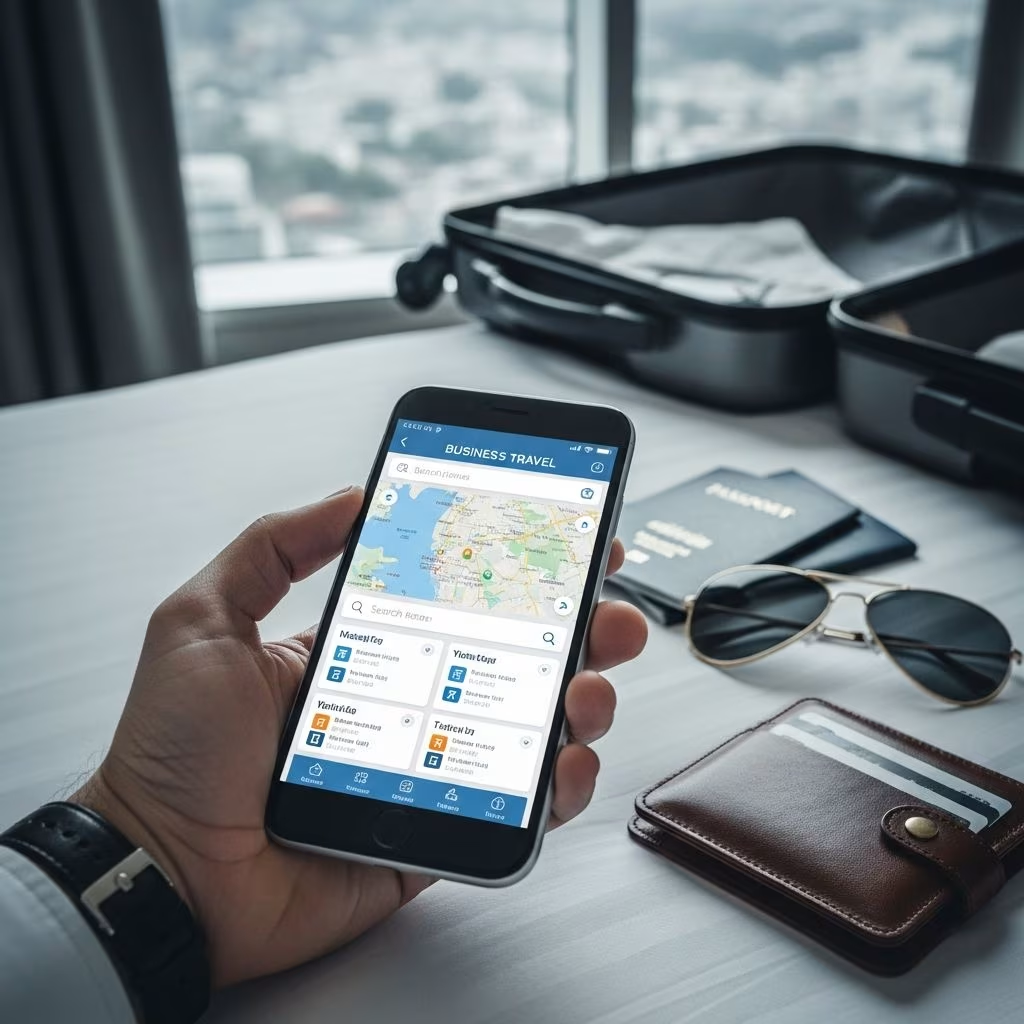
Modern tools automate and optimize the booking process, from policy enforcement to real-time tracking. Corporate travel platforms integrate with calendars, enforce budgets, and provide analytics for future improvements.
For small teams, start with free or low-cost apps before scaling to enterprise solutions. Integration with company email and CRM systems enhances visibility and control.
High compliance stems from accommodating individual needs, such as preferred airlines or flexible departure times. Surveys reveal that personalized options boost satisfaction and productivity.
Balance policy rigidity with flexibility: allow upgrades via points for frequent flyers while capping out-of-pocket costs. This approach fosters loyalty and reduces resistance to structured processes.
Arrive 2-3 hours early for international flights to handle security and unexpected delays. Opt for direct flights to eliminate connection risks, or build in 2+ hour buffers for layovers.
Choose hotels with robust Wi-Fi, business centers, and proximity to venues. Corporate rates through preferred partners often include free breakfast and late check-out.
Verify loyalty program perks for upgrades. For extended stays, serviced apartments offer kitchenettes and laundry, cutting meal and dry-cleaning costs.
Photograph receipts immediately and log expenses in real-time using mobile apps. This prevents disputes and accelerates approvals.
Check visa requirements, vaccinations, and ID validity months ahead. Combat jet lag with hydration, light exposure, and melatonin. Pack a basic kit: medications, masks, and sanitizers.
Enroll in airline safety programs and share itineraries with colleagues for emergency support.
Business trips excel for building relationships. Prepare digital business cards and conversation starters. Allocate downtime for informal meetups.
Work remotely securely via VPNs, confirmed with IT pre-departure. Batch emails during flights to maintain inbox zero upon landing.
Resource-limited teams benefit from all-in-one platforms that handle bookings, policies, and reporting. Start simple: one policy document and a shared booking calendar.
Data from initial trips informs refinements, like preferred routes or vendor negotiations for volume discounts.
Monitor industry trends like sustainable aviation fuels and AI personalization. Annual audits ensure policies evolve with business growth.
Traveler feedback loops via post-trip surveys drive continuous improvement, turning travel into a competitive advantage.
Typically 4-8 weeks in advance for domestic and 8-12 weeks for international to secure lowest fares.
Outline booking rules, budgets, approvals, and reporting; get management buy-in and train staff.
Options like Expensify or corporate platforms auto-track and categorize spends from receipts.
Yes, to avoid layover risks, but compare costs if connections save significantly.
Hydrate, adjust sleep pre-flight, use light therapy, and plan light first-day schedules.
