

 Travel Essentials
 Travel Essentials

Explore Cabbage Key, a 100-acre boat-accessible island featuring historic inns, nature trails, wildlife viewing, and authentic Gulf Coast experiences.
 Travel Essentials
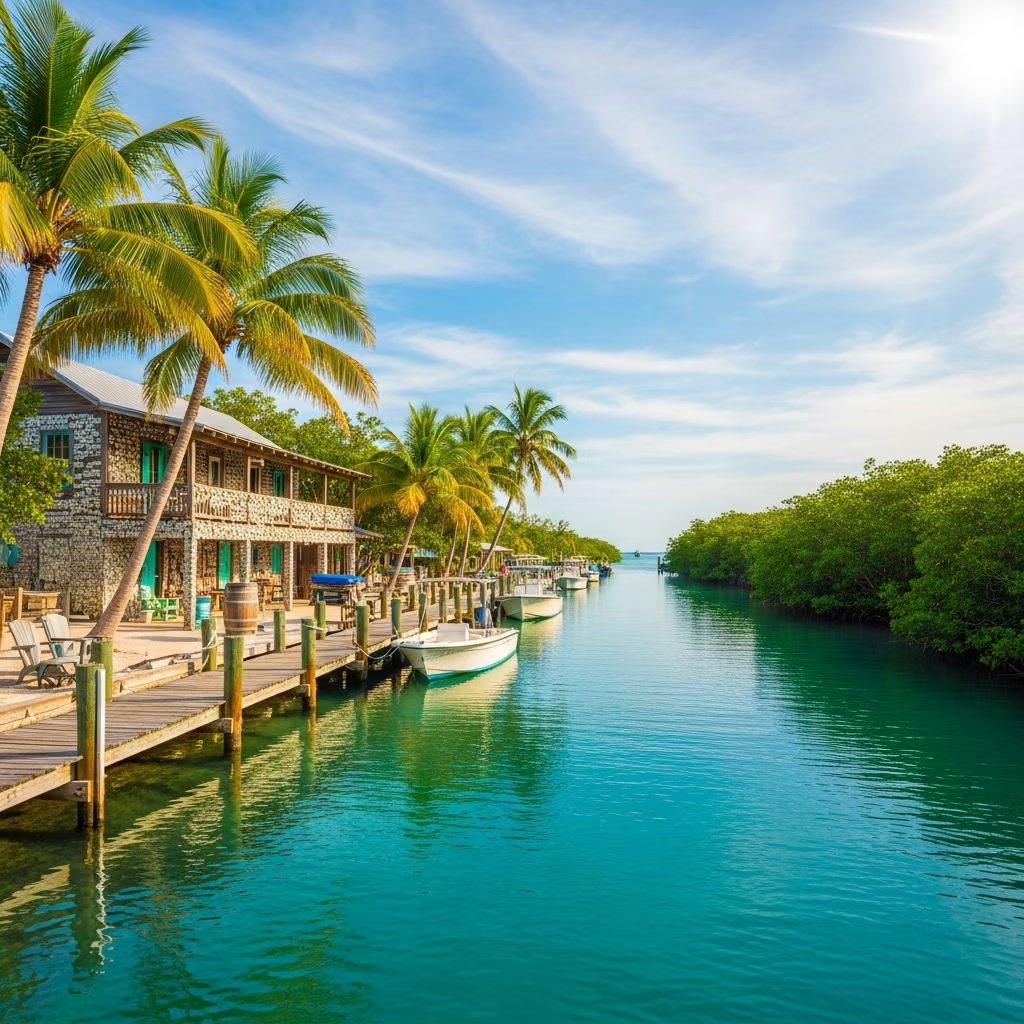
Nestled off the southwest coast of Florida near Pine Island, Cabbage Key represents a rare slice of Old Florida that has largely escaped commercialization and modern development. This 100-acre island, accessible only by boat, offers visitors a distinctive retreat where time moves differently and nature remains the primary attraction. Whether you seek tranquility, historical exploration, or outdoor adventure, Cabbage Key delivers an authentic Gulf Coast experience that distinguishes itself from more developed Florida destinations.
Cabbage Key sits approximately 20 miles northwest of Fort Myers, positioning it strategically between several well-known coastal communities. The island lies 5 miles south of Boca Grande and 8 miles north of Sanibel and Captiva Islands, making it an excellent complement to a broader southwest Florida vacation. Its location within Pine Island Sound, part of Lee County, contributes to the unique ecosystem and peaceful atmosphere that characterizes the destination.
Reaching Cabbage Key requires a deliberate commitment to water-based travel. There are no roads, bridges, or vehicle access to the island, which fundamentally shapes the visitor experience and preserves its unspoiled character. Multiple transportation options exist for those without private watercraft. Ferry services operate regularly from Pine Island and Captiva Island, while water taxi services like Island Girl Water Taxi offer multiple daily trips from nearby marinas. These services accommodate kayaks and luggage for an additional fee, allowing visitors to bring their own water sports equipment for exploration of surrounding areas.
Private boat rentals and charters represent another pathway to the island, offering greater flexibility for those wishing to explore Pine Island Sound and nearby destinations like Cayo Costa State Park simultaneously. The journey itself provides stunning views of mangrove-lined waterways, diverse bird species, and the distinctive landscape that characterizes Florida’s Gulf Coast.
The history of Cabbage Key spans thousands of years, revealing layers of human habitation and cultural exchange. Geological evidence suggests the island has remained above sea level since the last Ice Age, approximately 10,000 years ago. This geological permanence created ideal conditions for human settlement throughout pre-Columbian times.
The Calusa, a sophisticated indigenous tribe that dominated Southwest Florida, established substantial presence on Cabbage Key. Archaeological evidence reveals large shell middens—accumulations of discarded shells used by the Calusa as building material and waste repositories—that blanket the island’s sandy elevations. These middens, which peak at elevations exceeding 30 feet above sea level, indicate intensive occupation and resource exploitation during specific periods, particularly between 500 B.C. and A.D. 500 when shell midden accumulation accelerated across the broader island chain.
The transition to European and Caribbean influence came during the late 1700s and early 1800s, when Cuban fishing companies established ranchos on Cabbage Key and neighboring islands. These seasonal settlements supported a thriving fish trade, with vessels from Cuba using the islands as processing centers where caught fish were dried and salted for shipment back to Havana. By 1770, approximately thirty or more fishing vessels operated from these island-based operations, representing a significant maritime commerce network. Local indigenous peoples worked alongside Cuban fishermen at these facilities, creating a multicultural labor environment.
The modern era of Cabbage Key began in 1937 when renowned mystery writer Mary Roberts Rinehart and her family constructed a winter estate on the highest point of the island. The main building, constructed atop the ancient Calusa shell mound, showcased the architectural sensibilities of that era while capitalizing on the island’s natural elevation for panoramic views. The property was converted into an inn during the 1940s, establishing the hospitality foundation that continues today. The Wells family has owned and operated the facility since 1976, maintaining its historical integrity while adapting to contemporary visitor expectations.
One of Cabbage Key’s most distinctive features is the Dollar Bill Bar, a unique establishment whose walls are decorated with more than $70,000 in signed dollar bills from visitors spanning decades. This quirky tradition has become synonymous with the island’s identity and represents a living record of tourism spanning generations. Visitors from around the world have contributed to this unusual collection, creating a tangible connection between the island’s past and present.
The tradition exemplifies Cabbage Key’s appeal to creative individuals and those seeking unconventional experiences. Well-known travelers and cultural figures have passed through the establishment, contributing to its reputation as a destination for those seeking authentic, offbeat Florida experiences. The festive atmosphere of the bar contrasts with the island’s overall tranquil character, providing visitors with both contemplative quiet and social engagement options.
Cabbage Key accommodates overnight visitors through several distinct lodging categories. The historic inn maintains its original 1937 architectural character while offering modern amenities essential for contemporary comfort. Rooms feature extensive historical documentation in binder format, allowing guests to deeply explore the island’s complex past during their leisure time.
Beyond the main inn, rental cottages scattered across the property provide alternative accommodation styles. These structures allow visitors to experience island living with varying degrees of privacy and independence. Some staff members reside permanently on the island, while others arrive daily via staff boat, ensuring consistent service delivery despite the island’s isolation.
The seasonal nature of some accommodations and varying availability throughout the year requires advance planning. Reservations should be secured well in advance, particularly during peak travel seasons when the island’s limited lodging fills quickly.
The Cabbage Key restaurant operates year-round, serving meals during breakfast, lunch, happy hour, and dinner service. The establishment capitalizes on the island’s unique setting, with dining venues featuring spectacular views of Pine Island Sound and the distinctive parade of watercraft passing through the sound.
The menu reflects Gulf Coast culinary traditions, with fresh seafood prepared using locally sourced ingredients. A house specialty, turtle pie, has achieved legendary status among returning visitors. The restaurant staff, particularly long-time server Ms. Debbie, possesses extensive knowledge of menu options and can provide personalized recommendations based on individual preferences and dietary requirements.
The dining experience extends beyond food quality to encompass the atmosphere generated by the historic building’s rustic charm, original hardwood floors, and commanding views across the water. Boaters frequently stop for meals as part of their Gulf Coast cruises, creating a dynamic social environment where visitors encounter fellow travelers with diverse backgrounds and stories.
Cabbage Key’s ecological significance derives from its position within a unique Gulf Coast ecosystem. The 100-acre island supports diverse flora and fauna adapted to coastal conditions. Mangroves and cabbage palms dominate the vegetation, while shell-covered ground surfaces remind visitors of the island’s archaeological heritage.
Birdwatching represents a primary activity, with species including ospreys, pelicans, and herons commonly observed throughout the island. The surrounding waters attract dolphins and manatees, which visitors frequently encounter during boat tours. Free-roaming resident tortoises add another dimension to the island’s wildlife experience, appearing unexpectedly as visitors explore the grounds.
The island features extensive nature trails that wind through lush vegetation, offering opportunities to observe lizards, snakes, and indigenous plant species within their natural habitat. These trails accommodate various fitness levels, from casual strolls to more vigorous hiking adventures.
While relaxation and observation constitute primary activities for many visitors, Cabbage Key offers numerous engagement opportunities for those seeking active recreation:
Cabbage Key operates year-round, though seasonal variations affect visitor experiences and availability. Peak tourism typically occurs during cooler months (November through April) when Florida’s climate proves most comfortable and northerners seek temporary refuge from winter weather. During these periods, accommodations book far in advance and the restaurant maintains busy schedules with consistent visitor flow.
Summer months bring higher temperatures and humidity, plus occasional afternoon thunderstorms characteristic of tropical Florida. However, these seasons offer advantages including fewer crowds, potentially lower accommodation rates, and opportunities for more intimate island experiences. Serious nature enthusiasts often prefer these periods when wildlife observation becomes more rewarding and the island’s ecological rhythms operate with minimal human interference.
Cabbage Key’s location within a chain of Gulf Coast islands creates opportunities for multi-destination visits. Cayo Costa State Park lies approximately one mile west, accessible by short boat journey. This state-managed property preserves pristine beach environments and coastal ecosystems, offering contrasting experiences to the developed infrastructure of Cabbage Key.
North Captiva Island, reachable via regular water taxi routes, provides another boat-accessible community with vacation accommodations and amenities. Sanibel and Captiva Islands, accessible by private boat or ferry, offer more developed tourism infrastructure while maintaining considerable natural character.
Fort Myers, located twenty miles southeast, serves as the primary commercial hub providing grocery stores, medical facilities, fuel, and other services for travelers. The proximity of this substantial city ensures that island visits need not require extended provisioning or compromise on emergency services access.
Comprehensive advance planning enhances Cabbage Key experiences considerably. Visitors should:
Cabbage Key represents Florida tourism at its most authentic, preserving Old Florida character in an era of widespread commercialization and development. The island’s inaccessibility by vehicle, while presenting logistical challenges, ensures protection of its natural and historical character. Visitors seeking conventional resort amenities with entertainment venues, shopping centers, and high-density tourism infrastructure will find Cabbage Key unsuitable. Conversely, travelers pursuing genuine Gulf Coast experiences, wildlife observation, historical exploration, and peaceful solitude discover exactly what they seek.
The combination of archaeological significance, documented history, comfortable modern accommodations, quality dining, diverse recreational opportunities, and authentic natural environment creates a compelling destination for varied visitor preferences. Whether spending a few hours during a day cruise or committing to a multi-day stay, Cabbage Key offers Florida experiences increasingly rare in the modern travel landscape.
