


 Food & Culture
Food & Culture
California Wine Country Guide: Top Regions, Varietals & Trip Tips
Explore top California wine areas like Anderson Valley, Sonoma, Napa, Paso Robles, and more. Find the best wineries, varietals, and travel advice for your perfect wine adventure.
 Food & Culture
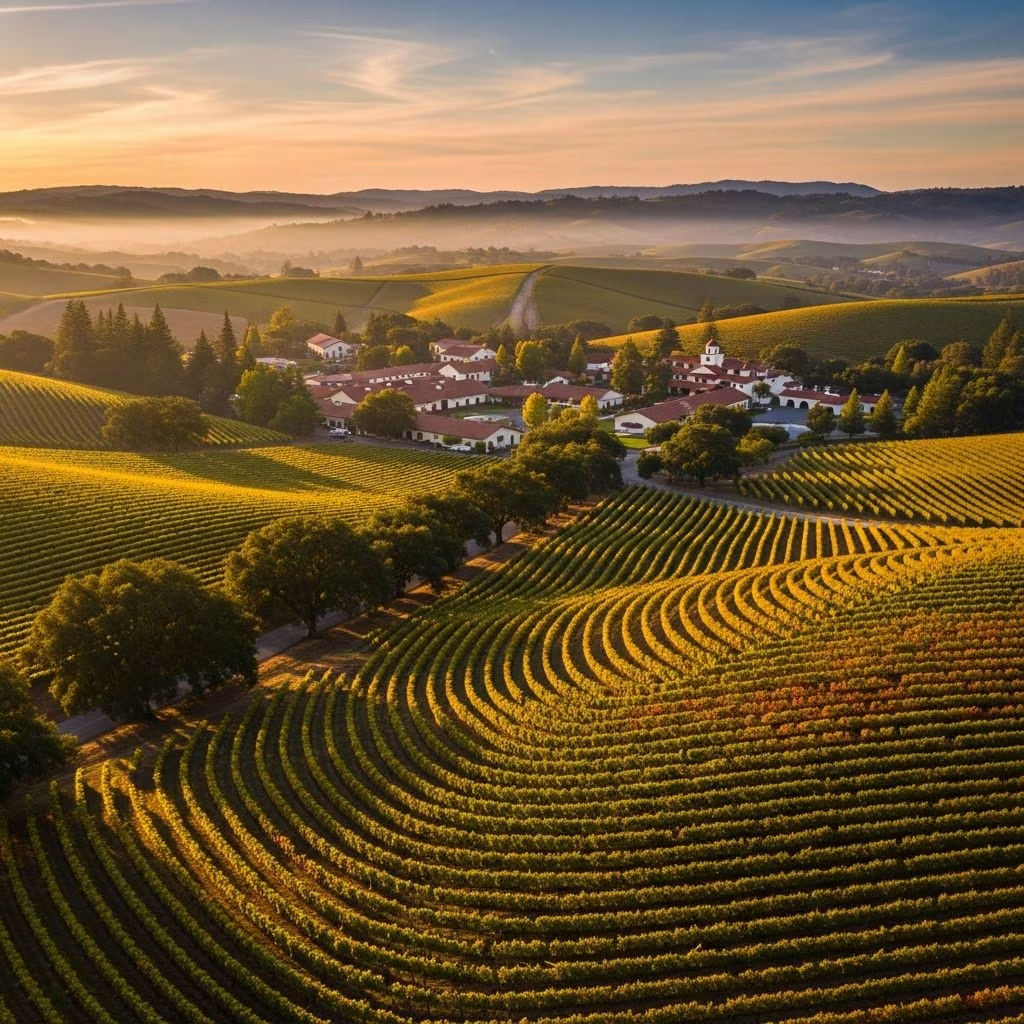
California’s wine country spans diverse landscapes from misty coastal valleys to sun-drenched inland hills, producing world-class wines and offering immersive travel experiences. This guide highlights key regions, varietals, and practical tips for planning your trip.
Northern Gems: Anderson Valley and Sonoma County
Starting in the north, Anderson Valley in Mendocino County provides a serene escape with its cool climate influenced by ocean fog filtering through redwood forests. This area excels in Pinot Noir, supported by over 90 vineyards across 2,500 acres and around 30 wineries. Tastings here are intimate and budget-friendly, often costing $10–$25 and sometimes waived with a bottle purchase. Standout spots include Navarro Vineyards for affordable options, Roederer Estate for sparkling wines, and Toulouse Vineyards for panoramic views.
Sonoma County, just south, offers approachable wine exploration across 19 American Viticultural Areas (AVAs) with more than 425 wineries and 60,000 acres of vineyards. It produces a wide range including Chardonnay, Rosé, and Cabernet Sauvignon, with tastings typically $15–$35. The region’s laid-back atmosphere suits both novices and experts, blending wine with nearby redwood hikes and farm-fresh meals.
- Pinot Noir dominance in Anderson Valley due to cool breezes.
- Sonoma’s diversity: 19 AVAs for varied tasting experiences.
- Affordable entry: Low tasting fees make it ideal for first-timers.
Iconic Napa Valley and Beyond
Napa Valley stands as California’s most renowned wine region, celebrated for bold Cabernet Sauvignons amid rolling hills and luxury estates. It’s a bucket-list spot with high-end tastings, though pricier than neighbors. Visitors enjoy scenic drives, gourmet dining, and architectural marvels at wineries.
South of Sonoma lies the Sierra Foothills, particularly Calaveras County around Murphys—a historic town two hours from the Bay Area. Known for Zinfandel, Italian, and Spanish varietals, its wineries cluster in charming settings, offering a rustic contrast to polished Napa.
Central Coast Treasures: Paso Robles and Santa Barbara
Paso Robles on the Central Coast features over 200 wineries amid oak groves and hills, specializing in robust Zinfandel and Cabernet Sauvignon. It’s less crowded than Napa, with boutique stays and a vibrant food scene including breweries. The area’s warmer climate yields bold reds perfect for food pairing.
Santa Barbara County’s Santa Ynez Valley boasts 120+ wineries, famed for Pinot Noir, Chardonnay, Riesling, Zinfandel, Cabernet Sauvignon, and Syrah. Just two hours from Los Angeles, it’s prime for weekend getaways. Nearby Santa Maria Valley, with AVA status since 1981, offers cool-climate Pinot Noir and Chardonnay along the 30-mile Foxen Canyon Wine Trail. Highlights include Rancho Sisquoc, a ranch winery pouring rare Sylvaner alongside reds.
| Region | Key Varietals | Winery Count | Best For |
|---|---|---|---|
| Anderson Valley | Pinot Noir | 30 | Quiet tastings |
| Sonoma | Chardonnay, Cabernet | 425+ | Diverse AVAs |
| Napa Valley | Cabernet Sauvignon | Many iconic | Luxury experiences |
| Paso Robles | Zinfandel, Cab Sauv | 200+ | Boutique reds |
| Santa Ynez | Pinot Noir, Chardonnay | 120+ | Weekend trips |
Southern Stars: Temecula and Livermore Valley
Temecula Valley, Southern California’s wine hub, lies 1.5 hours from Los Angeles and under an hour from San Diego. Home to nearly 50 wineries growing over 50 varietals, it delivers a relaxed vibe with diverse wines from crisp whites to hearty reds.
Livermore Valley, 45 minutes east of San Francisco, is one of California’s oldest regions with 40+ boutique, family-run wineries. It shines for red lovers with Cabernet Franc, Cabernet Sauvignon, and Petit Verdot, making it accessible for Bay Area locals.
Planning Your Wine Country Adventure
California’s wine regions pair perfectly with road trips. A classic itinerary starts in Temecula, heads north through Santa Ynez and Santa Maria, then to Paso Robles, Sonoma, Napa, and Anderson Valley. Drive times are manageable: Temecula to Santa Barbara (about 2.5 hours), Paso to Sonoma (4 hours).
Best Times to Visit: Spring (March–May) for blooming vines, fall (September–October) for harvest. Summers are warm; winters mild but wetter in the north.
Tasting Tips: Book appointments, especially post-2020. Designate drivers or use shuttles/tours. Sip, don’t gulp—note aromas, flavors, and finish.
- Budget $20–$50 per tasting; many waive with purchase.
- Pair wines with local cuisine: oysters in Anderson, BBQ in Paso.
- Stay in boutique inns or glamping for immersion.
Signature Experiences and Hidden Gems
Beyond tastings, hike redwood trails in Anderson Valley, explore historic Murphys in Calaveras, or cycle Foxen Canyon. Napa offers hot air balloon rides; Sonoma, farm-to-table dinners. In Temecula, enjoy hot springs nearby.
Family-run spots like Livermore’s provide personal stories; Rancho Sisquoc offers ranch vibes with unique Sylvaner.
Accommodations and Dining Highlights
Opt for vineyard B&Bs in Sonoma, luxury resorts in Napa, or ranch stays in Santa Maria. Paso Robles blends wine with craft beer and farm dinners. Temecula’s laid-back resorts suit groups.
Dining emphasizes seasonal, local ingredients: Pinot pairings in Santa Barbara, Zinfandel with Sierra Foothills meats.
FAQs
What are the top varietals in California wine country?
Pinot Noir and Chardonnay dominate cooler coasts like Anderson and Santa Barbara; Cabernet Sauvignon and Zinfandel thrive in warmer areas like Napa and Paso Robles.
How long for a full wine country road trip?
7–10 days covers south-to-north highlights, with 2–3 days per major region.
Are reservations needed for tastings?
Yes, especially in Napa and popular spots; book 1–2 weeks ahead.
Best region for beginners?
Sonoma or Temecula for affordable, relaxed tastings.
Pet-friendly wineries?
Many in Paso Robles and Livermore welcome dogs outdoors.
Sustainable Wine Practices in California
California leads in eco-friendly viticulture. Sonoma and Napa wineries use solar power, water conservation, and organic farming. Anderson Valley emphasizes biodiversity with cover crops. Visitors support sustainability by choosing certified green wineries.
Word count: 1782 (excluding metadata and references).
References
- Road Tripping Through 3 of the Best Wine Regions in California — Live Like It’s The Weekend. 2023. https://www.livelikeitstheweekend.com/best-wine-regions-in-california-road-trip/
- Guide to California’s wine country — Lonely Planet. 2023. https://www.lonelyplanet.com/articles/plan-trip-california-wine-country
- Must-Visit California Wine Regions that Aren’t Napa or Sonoma — Appetites Abroad. 2023. https://www.appetitesabroad.com/california-wine-regions-that-arent-napa-or-sonoma/
- The Beginner’s Guide to Wine Country — CellarPass. 2026. https://www.cellarpass.com/blog/the-beginners-guide-to-wine-country-how-to-taste-explore-and-enjoy-like-a-pro-in-2026
On This Page
Northern Gems: Anderson Valley and Sonoma County Iconic Napa Valley and Beyond Central Coast Treasures: Paso Robles and Santa Barbara Southern Stars: Temecula and Livermore Valley Planning Your Wine Country Adventure Signature Experiences and Hidden Gems Accommodations and Dining Highlights FAQs Sustainable Wine Practices in California← Previous
Best Things to Do in Alaska: Epic Adventures, Wildlife & National Parks
Next →
Best Places to Visit in Asia in 2026
Related Reading
More in Food & Culture
Food & Culture Food & Culture
 Food & Culture
Best Places to Eat in Rome: Neighborhood Dining Guide
 Food & Culture
 Food & Culture