


 Food & Culture
Food & Culture
Calle Ponzano: Madrid’s Trendy Food Street
Explore Calle Ponzano, Madrid's legendary food and drink destination in Chamberí, featuring tapas bars, innovative restaurants, and the social phenomenon of ponzaning.
 Food & Culture
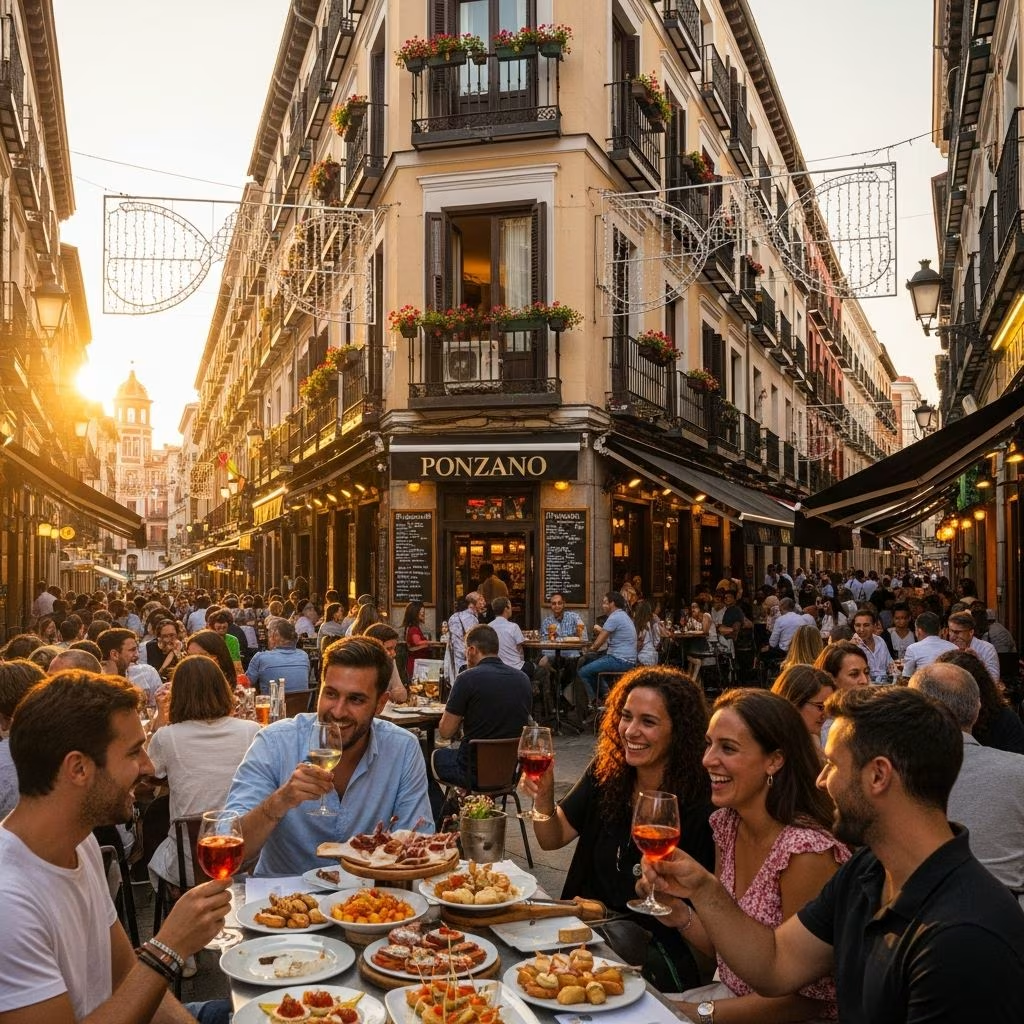
Nestled within Madrid’s Chamberí district lies a street that has transformed from a quiet residential thoroughfare into one of Spain’s most sought-after gastronomic destinations. This evolution represents more than just the opening of new restaurants and bars; it reflects a broader cultural phenomenon that has captured the imagination of food enthusiasts, locals, and international travelers alike. What makes this transformation particularly fascinating is how it maintains authentic Spanish traditions while embracing contemporary culinary innovation.
The Geographic Heart of Madrid’s Food Scene
Located in the Chamberí district, this celebrated street sits at the intersection of Madrid’s most dynamic neighborhoods. The area is easily accessible via the Alonso Cano metro station on Line 7 or the Ríos Rosas station on Line 1, making it convenient for both residents and visitors to reach the vibrant epicenter of Madrid’s dining culture. The surrounding district has historically been known for its residential character, yet over the past two decades, it has emerged as a magnetic attraction for those seeking authentic Spanish cuisine combined with modern culinary techniques.
The street’s location proves strategic for cultural exploration as well. Within walking distance, visitors can access the Teatros del Canal, Teatro Amaya, the Canal de Isabel II Exhibition Hall, the Geomineral Museum, and Santander Park, creating an enriching destination that combines gastronomic adventure with cultural immersion. This proximity to cultural institutions has helped establish the area as a comprehensive destination rather than merely a dining strip.
Understanding the Ponzaning Phenomenon
At the heart of the street’s identity lies a uniquely Spanish social practice that has been formalized and celebrated through the term “ponzaning.” This concept, coined by local entrepreneurs approximately a decade ago, encapsulates the tradition of moving between multiple establishments throughout an evening, sampling different dishes, drinks, and atmospheres at each stop. More than a mere dining pattern, ponzaning represents a philosophy and lifestyle choice that emphasizes social connection, culinary exploration, and the enjoyment of Spanish leisure culture.
The term has achieved remarkable cultural penetration, generating significant social media momentum through the hashtag #ponzaning and establishing its own dedicated online community. This grassroots marketing phenomenon has transformed what could have been a simple bar-hopping trend into a recognized cultural practice that attracts enthusiasts from around the world. The creation of www.ponzaning.es further institutionalized the concept, establishing a digital gathering place for practitioners and information seekers.
The Evolution from Quiet Street to Culinary Epicenter
The transformation of this street did not occur overnight but rather unfolded through strategic developments and pivotal moments. The turning point for widespread recognition can be traced to approximately two decades ago when the restaurant Sudestada opened, serving as a catalyst for the area’s culinary renaissance. This pioneer establishment established the precedent that the neighborhood could support sophisticated dining experiences.
The momentum accelerated significantly when prominent chef and television personality Pepe Rodríguez publicly endorsed two restaurants on the street in 2015, declaring them among his personal favorites and bringing significant media attention to the area. However, the most decisive moment came in 2019 when Lonely Planet magazine published a widely-shared article highlighting the street’s attributes, creating an international phenomenon that accelerated both tourism and commercial development.
Following the 2019 spotlight, the street’s popularity evolved rapidly. In July 2016, the street became officially integrated into the local Fiestas del Carmen, consolidating its reputation as a cultural destination rather than simply a dining venue. This official recognition validated the area’s importance within Madrid’s broader cultural landscape.
Architectural and Design Innovation
What distinguishes this street from other dining destinations is the thoughtful integration of design concepts that reflect both historical context and contemporary aesthetics. Establishments throughout the area employ industrial design elements, reclaimed materials, and innovative spatial arrangements that create distinctive atmospheres while maintaining connections to Madrid’s architectural heritage.
One particularly notable example features a design that transforms the dining experience into theatrical performance. Diners engage in an interactive process where they collect utensils from overhead displays and observe dishes being prepared and served throughout the venue, turning a meal into a multisensory experience. This approach exemplifies how venues on the street balance culinary excellence with experiential entertainment.
The aesthetic transformation of the district extends beyond individual establishments. Where traditional neighborhood services once existed—antique shops, bakeries, neighborhood grocers—contemporary dining and drinking establishments now dominate the street’s commercial landscape. This replacement of neighborhood infrastructure with specialized gastronomic businesses represents both the success and the complexity of the area’s evolution.
Signature Dining Establishments
Classic Beer Culture Heritage
Among the street’s establishments, certain venues represent continuity with Madrid’s traditional bar culture. One such establishment, operating since 1987, maintains the characteristics that define authentic Madrid neighborhood bars: straightforward service, efficient staff, affordable pricing, and an unpretentious atmosphere that welcomes regular patrons and newcomers alike. These traditional spaces provide anchoring points within the street’s increasingly sophisticated dining landscape, reminding visitors of the neighborhood’s authentic roots before international culinary trends arrived.
Modern Industrial Aesthetics
Contrasting with traditional establishments are venues that deliberately embrace contemporary design vocabularies. These spaces feature exposed brick, wooden floors, and minimalist décor that reference Spanish architectural traditions while maintaining decidedly modern sensibilities. Such establishments attract younger demographics, particularly university students and professionals in their thirties, creating age-diverse clientele that contributes to the street’s dynamic social atmosphere.
Experiential Dining Concepts
Several establishments on the street have pioneered dining experiences that transcend traditional restaurant formats. These venues incorporate theatrical elements, interactive service models, and presentation techniques that prioritize visual impact alongside culinary quality. The emphasis on fresh, minimally processed ingredients combined with innovative plating and service creates memorable experiences that encourage social sharing and repeat visitation.
The Gastronomic Diversity Factor
One of the street’s most compelling attributes lies in its remarkable culinary diversity. Rather than specializing in a single cuisine or approach, the street accommodates everything from traditional Spanish tapas establishments to restaurants emphasizing regional specialties, international fusion concepts, and avant-garde culinary experimentation. This diversity means that ponzaning allows individuals to progressively explore different flavor profiles, cooking techniques, and cultural influences within a concentrated geographic area.
The variety extends to the types of establishments available. Casual standing-room-only bars coexist with sit-down restaurants, informal aperitif venues operate alongside sophisticated dinner destinations, and traditional breweries compete with contemporary cocktail bars for clientele attention. This spectrum ensures that the street accommodates diverse budgets, dietary preferences, occasion types, and social compositions.
Social Dynamics and Community Impact
The street’s popularity has generated complex social dynamics within the surrounding residential community. The concentration of entertainment venues has transformed the neighborhood’s character, particularly during weekend evenings when the street becomes congested with social visitors. This congestion has created tension between long-term residents concerned about noise levels and commercial interests benefiting from the area’s popularity.
Resident associations have formed to address quality-of-life concerns, establishing social media presences to coordinate responses to noise complaints and overcrowding issues. These tensions reflect broader questions about urban development, neighborhood preservation, and the balance between cultural vitality and residential comfort. However, the economic benefits generated through commercial activity and employment have also attracted appreciation from business owners and service workers dependent on the street’s popularity.
The demographic composition of the surrounding district has also influenced the street’s development trajectory. The Chamberí area contains particularly high proportions of female residents compared to surrounding neighborhoods, which some observers suggest has influenced the development of dining establishments that appeal to diverse social groups and prioritize welcoming, inclusive atmospheres.
The Contemporary Challenge of Commercialization
As with many destinations that achieve sudden popularity, the street faces pressures from commercialization and homogenization. Several pioneering establishments that initially catalyzed the area’s transformation have closed operations, replaced by chain restaurants and standardized cocktail bars that lack the distinctive character of original venues. This cycle of replacement creates ongoing debate about whether commercial success ultimately undermines the authentic qualities that generated initial appeal.
The transformation of neighborhood retail into specialized dining establishments represents both success and loss. While the concentration of quality restaurants and bars creates undeniable culinary advantages, it simultaneously eliminates the diverse small businesses that historically served neighborhood residents’ daily needs. This shift transforms the street from a neighborhood commercial district into a specialized entertainment destination, fundamentally altering its social function.
Temporal Dimensions of the Experience
The street’s character varies significantly depending on the time of day and day of the week. During weekday afternoons and early evenings, the atmosphere remains relatively subdued, with a low-key vibe dominated by friends sharing drinks and tapas in smaller groups. These quieter periods allow visitors to experience establishments more intimately and participate in the traditional Spanish aperitif culture that predates the street’s recent popularity.
Weekends transform the street dramatically. The volume and energy escalate considerably, with establishments becoming significantly crowded, patrons spilling onto sidewalks, and the social atmosphere becoming more boisterous and celebratory. Saturday evenings in particular have acquired the character of spontaneous street festivals or verbenas, with the entire street functioning as a single extended social space rather than a collection of individual venues.
Practical Considerations for Visitors
For those planning to experience ponzaning, several practical considerations enhance the visit. Arriving earlier rather than later typically provides better access to establishments and more opportunities for conversation with staff and other patrons. Choosing weekday visits offers more relaxed atmospheres compared to saturated weekend experiences. Engaging with multiple establishments throughout an evening rather than remaining at a single venue allows appreciation of the street’s full diversity.
The social nature of ponzaning means that visits often prove more enjoyable in groups, allowing visitors to share experiences and distribute responsibilities for navigating between venues. However, solo visitors frequently find the social atmosphere welcoming and conducive to meeting other travelers and locals also engaged in the ponzaning experience.
Comparative Context Within Madrid’s Dining Landscape
While Madrid contains numerous celebrated dining streets and neighborhoods, this particular street occupies a distinctive position within the city’s gastronomic hierarchy. Unlike some more centrally located alternatives that attract significant tourist traffic, the Chamberí location maintains a more authentically local character despite its international recognition. This balance between local authenticity and international appeal distinguishes it from more touristy options while maintaining greater accessibility than deliberately obscure neighborhood establishments.
Future Outlook and Sustainability Questions
As the street continues to mature and evolve, questions about long-term sustainability merit consideration. The tensions between residential communities and commercial expansion, the replacement of pioneering establishments with chain operations, and the pressures of international recognition all suggest that the street faces a transitional period. How local authorities, business owners, and residents navigate these dynamics will largely determine whether the street maintains its distinctive character or gradually homogenizes into a more generic entertainment destination.
References
- Calle Ponzano: where to go on Madrid’s hottest street — Lonely Planet. 2019. https://www.lonelyplanet.com/articles/calle-ponzano-where-to-go-on-madrids-hottest-street
- Madrid’s “hottest street”: 72 bars packed into one kilometer — El País. 2019-06-13. https://english.elpais.com/elpais/2019/06/13/inenglish/1560437745_923390.html
- Ponzano, the trendy food street in Madrid — ES Madrid. https://www.esmadrid.com/en/ponzano-trendy-food-street-madrid
- Calle Ponzano, Madrid’s fashionable food zone — Barceló. https://www.barcelo.com/guia-turismo/en/spain/madrid/things-to-do/calle-ponzano/
- Restaurants and bars in the Ponzano area — Madrid Secreto. https://madridsecreto.co/en/ponzano-street-madrid/
- 5 Best Tapas Bars on Calle Ponzano — Spain Revealed. https://www.spainrevealed.com/blog/best-tapas-calle-ponzano
On This Page
The Geographic Heart of Madrid's Food Scene Understanding the Ponzaning Phenomenon The Evolution from Quiet Street to Culinary Epicenter Architectural and Design Innovation Signature Dining Establishments The Gastronomic Diversity Factor Social Dynamics and Community Impact The Contemporary Challenge of Commercialization Temporal Dimensions of the Experience Practical Considerations for Visitors Comparative Context Within Madrid's Dining Landscape Future Outlook and Sustainability Questions← Previous
Jordan During Ramadan: Travel Guide and Cultural Tips
Next →
Bosnia and Herzegovina Adventure Guide: Hiking, Rafting & More
Related Reading
More in Food & Culture
Food & Culture Food & Culture
 Food & Culture
Best Places to Eat in Rome: Neighborhood Dining Guide
 Food & Culture
 Food & Culture