

 Travel Essentials
 Travel Essentials

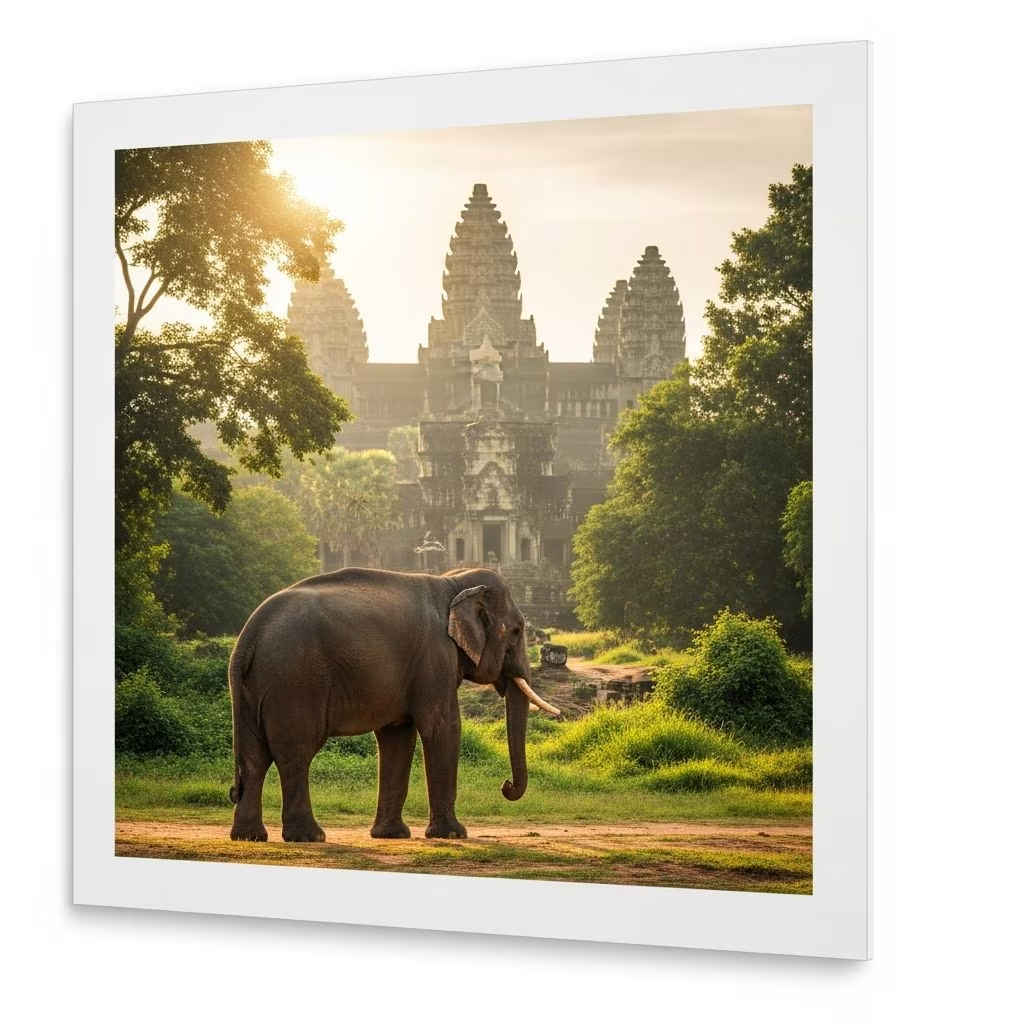
Cambodia banned elephant rides at Angkor Wat, relocating 14 elephants to a forest sanctuary and advancing more ethical tourism.
 Travel Essentials
Cambodia’s decision to prohibit elephant rides at the renowned Angkor Archaeological Park marks a pivotal moment in wildlife conservation and sustainable tourism. Announced by the Apsara Authority in late 2019, the ban took effect in early 2020, ending a practice that had persisted since 2001. This change relocates all 14 elephants previously used for tourist transport to the Bos Tham community forest, approximately 25 miles away, allowing them to roam in a more natural environment.
The ban’s roots trace back to 2016, when a female elephant named Sambo collapsed and died from heart failure while carrying tourists in scorching heat. This heartbreaking event ignited widespread outrage, leading to a Change.org petition that amassed over 185,000 signatures. Conservation groups and travelers worldwide amplified calls for reform, highlighting the physical toll on elephants from prolonged labor under harsh conditions.
Long Kosal, spokesperson for the Apsara Authority, emphasized the ethical imperative: “The elephant is a big animal, but it is also gentle, and we don’t want to see the animals being used for tourism activities anymore. We want them to live in their natural surroundings.” This sentiment echoed growing recognition that commercial exploitation compromises animal health.
Angkor Wat, part of the vast Angkor Archaeological Park—a UNESCO World Heritage Site—draws millions of visitors annually. Since 2001, elephants have ferried tourists through the temple grounds, offering a seemingly authentic way to experience the ancient Khmer empire’s grandeur. However, these animals, often sourced from logging operations or the wild, endured grueling schedules: multiple rides daily on uneven terrain, in tropical humidity, and without adequate rest or veterinary care.
The Apsara Authority, tasked with managing the park, coordinated the phased relocation. Visitors can no longer book rides, but ethical observation opportunities exist at the new sanctuary. This forest habitat provides space for foraging, social interaction, and recovery, contrasting sharply with chained park conditions.
| Aspect | Before Ban | After Ban |
|---|---|---|
| Elephant Location | Angkor Park (confined) | Bos Tham Forest (25 miles away, natural) |
| Tourist Interaction | Rides and performances | Observational visits encouraged |
| Animal Health | Overwork, illness common | Retirement and rehabilitation |
Elephant rides remain available elsewhere in Cambodia, Thailand, Laos, and Vietnam, but momentum is building against them. Major operators like TUI, Intrepid Travel, G Adventures, and Thomas Cook have pledged to eliminate such offerings from itineraries. Fodor’s Travel and TripAdvisor have updated policies, removing promotions of captive elephant attractions.
This shift aligns with global trends: over 245 travel companies worldwide have committed to ethical alternatives. In Cambodia, the Angkor ban could inspire similar actions at other sites, boosting eco-tourism focused on observation sanctuaries rather than exploitation.
Travelers seeking immersive experiences without harm have options:
These methods preserve cultural heritage while respecting wildlife. Booking through certified sustainable operators ensures contributions support conservation.
While celebratory, the ban underscores ongoing issues. Wild Asian elephant populations, classified as endangered, face habitat loss and poaching. Captive elephants often originate from traumatic captures, bearing lifelong physical and psychological scars. Phasing out rides requires monitoring to prevent underground operations or resale to unethical venues.
Government and NGOs advocate for sanctuaries that fund themselves through donations and ethical viewing fees, not labor. Public education campaigns urge tourists to research attractions via tools like the Global Federation of Animal Sanctuaries.
Cambodia’s action mirrors a seismic industry pivot. TripAdvisor’s 2019 ban on ticket sales to captive cetacean venues set precedents. Consumer demand drives change: surveys show 70% of millennials prioritize animal welfare in travel choices. Platforms now flag exploitative activities, empowering informed decisions.
In Southeast Asia, Thailand leads with over 100 no-ride sanctuaries. Cambodia could follow, potentially increasing long-term tourism by attracting ethical travelers willing to pay premiums for responsible experiences.
No, the ban is enforced at the Angkor Archaeological Park since early 2020. Check independent operators outside the park, but opt for ethical alternatives.
Yes, the Bos Tham forest allows respectful viewing. Confirm no-riding policies beforehand.
Due to animal health concerns, exemplified by Sambo’s 2016 death, and pressure from petitions with 185,000+ signatures.
Biking, walking sunrise tours, or e-rickshaws provide scenic, humane access.
Yes, announced by Apsara Authority as a commitment to natural habitats.
As Angkor evolves, it exemplifies how tourism can harmonize heritage preservation with compassion. Visitors contribute by choosing empathy-driven itineraries, supporting local economies without wildlife costs. This model may ripple across Asia, fostering a future where majestic sites thrive alongside thriving ecosystems.
The ban’s success hinges on enforcement, funding for sanctuaries, and sustained advocacy. Travelers play a key role: by amplifying ethical stories and boycotting harm, they accelerate positive change.
