

 Travel Essentials
 Travel Essentials

Comprehensive guide covering documentation requirements, cultural etiquette, transportation options, cuisine, and practical travel tips for first-time visitors to Cambodia.
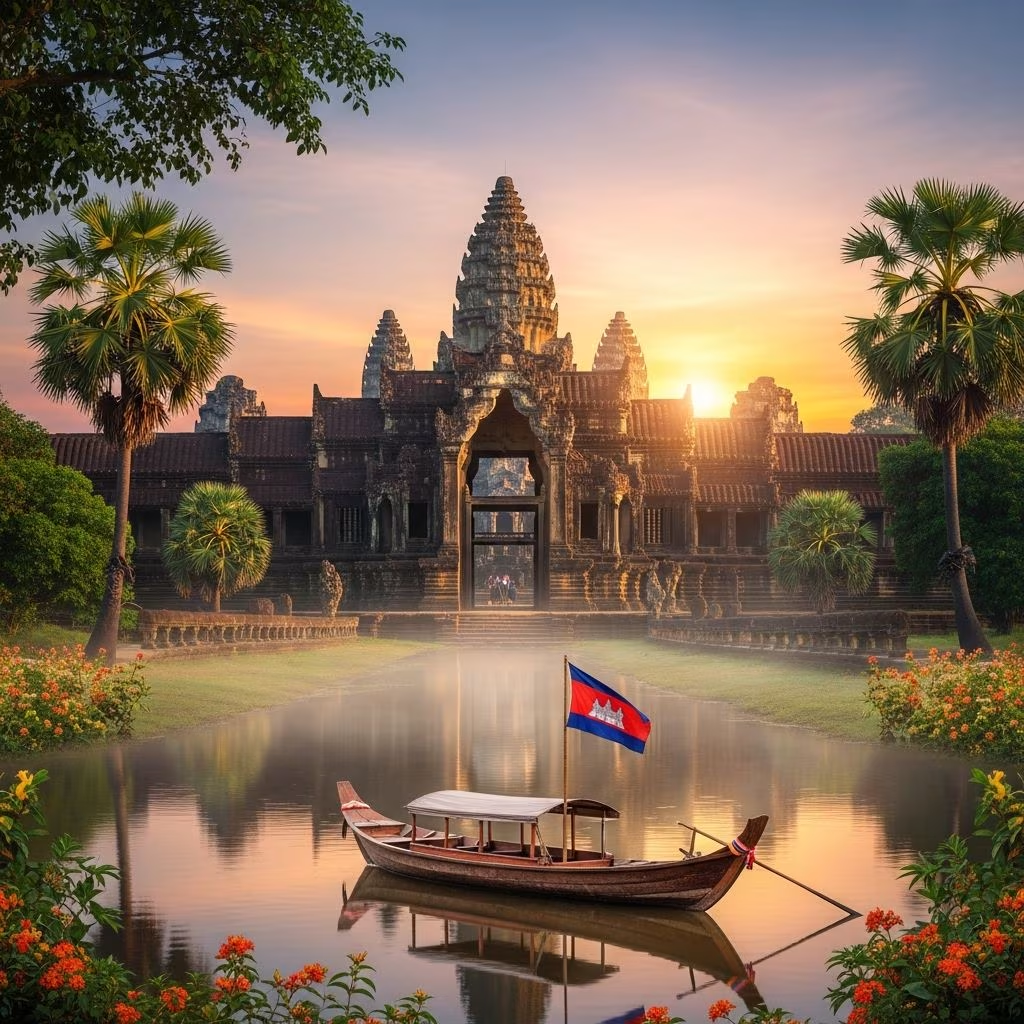 Travel Essentials
Cambodia stands as one of Southeast Asia’s most captivating destinations, drawing travelers seeking ancient temples, pristine beaches, and rich cultural experiences. However, visiting this remarkable nation requires thoughtful preparation and cultural awareness. Understanding key aspects before arrival transforms your journey from a simple tourist visit into a meaningful exploration of one of the world’s most resilient and welcoming countries.
Your first consideration when planning a Cambodia trip involves securing the proper travel documents. Passport validity forms the foundation of entry requirements—your document must remain valid for at least six months beyond your intended departure date. Many travelers discover this requirement too late, forcing last-minute passport renewals or trip cancellations.
Beyond passport considerations, Cambodia requires visitors from most nations to obtain a visa. The country offers multiple visa options accommodating different travel durations and purposes. Tourist visas provide the most straightforward entry path for leisure travelers, while business visas suit those conducting professional activities. Processing options range from traditional embassy applications to airport-on-arrival services, with the latter offering convenience despite slightly higher costs.
Document preparation extends beyond official paperwork. Maintaining copies of your passport, visa, and travel insurance documents in separate locations provides crucial backup protection. Digital copies stored in cloud services offer additional security, accessible even if physical documents become lost or damaged.
Cambodia’s tropical location shapes visitor experiences significantly. The country spans 181,035 square kilometers across mainland Southeast Asia, bordered by Thailand, Laos, and Vietnam, with a coastline along the Gulf of Thailand. This geographic position creates distinct regional characteristics affecting travel planning.
The climate divides into two primary seasons that influence tourism patterns. The dry season, spanning November through April, offers ideal conditions for temple exploration and beach activities. During this period, rainfall remains minimal, temperatures moderate, and visibility maximizes—particularly valuable for photographing iconic sites like Angkor Wat. The wet season, from May through October, brings heavy monsoon rains that transform landscapes into vibrant green settings. While challenging for certain activities, this season offers fewer tourists, lower accommodation prices, and authentic monsoon experiences that captivate adventurous travelers.
Temperature variation remains minimal throughout the year, typically ranging between 25-35 degrees Celsius. However, humidity levels fluctuate dramatically with seasonal changes, making lighter clothing and moisture-management strategies essential year-round considerations.
Cambodia’s appeal concentrates across three primary destinations, each offering distinctive experiences:
Moving throughout Cambodia presents various options suited to different travel styles and budgets:
| Transportation Method | Best For | Considerations |
|---|---|---|
| Tuk-tuks (Remorks) | Short urban distances, local atmosphere | Negotiate fares beforehand; experience authentic street life |
| Private Car Services | Long distances, group travel | Hire through reputable companies; higher cost but comfort and safety |
| Domestic Airlines | Rapid long-distance travel | Limited routes; book in advance during peak season |
| Buses | Budget-conscious travelers | Variable comfort levels; overnight options available |
| Motorcycles | Independent exploration | Requires valid license and insurance; assess road conditions carefully |
Each transportation method offers distinct advantages. Tuk-tuks provide quintessential Southeast Asian travel experiences while supporting local economies. Private car services ensure comfort for longer journeys. Domestic flights reduce travel time between distant regions. Budget-conscious travelers benefit from extensive bus networks connecting major cities. Independent travelers may rent motorcycles, though road conditions and traffic safety require careful consideration.
Cambodian culture reflects deeply rooted Buddhist traditions influencing daily life and social interactions. Understanding and respecting these cultural norms significantly enhances visitor experiences and demonstrates appreciation for local communities.
Religious Respect: Buddhism shapes Cambodian worldview profoundly. Approximately 98 percent of the population identifies as Buddhist, with colorful temples and saffron-robed monks visible throughout the nation. Visitors should dress modestly when entering temples, removing footwear before entering sacred spaces. Photography around monks and Buddhist rituals requires permission. Maintaining respectful behavior in religious contexts shows appreciation for the spiritual traditions underpinning Cambodian society.
Community and Hospitality: Cambodian culture emphasizes communal values, particularly surrounding meals and social gatherings. Dining represents a shared experience rather than individual consumption. Accepting food and hospitality offerings, even modestly, demonstrates respect and builds connection with local communities. The warmth and generosity characteristic of Cambodian people reflects centuries of cultural values prioritizing community bonds.
Head and Foot Respect: Traditional beliefs consider the head sacred and the feet lowly. Avoid touching others’ heads, pointing feet toward people or religious objects, or stepping over individuals or possessions. These practices may seem foreign to Western visitors but carry significant cultural meaning.
Cambodian cuisine represents a unique flavor profile within Southeast Asian cooking traditions. Amok, a steam-cooked curry prepared in banana leaves, stands as the national dish, available in fish, chicken, tofu, and vegetarian varieties. This foundational dish exemplifies Khmer culinary philosophy balancing spices, textures, and traditional preparation methods.
Beyond traditional dishes, Cambodia’s food culture encompasses diverse protein sources. Fried insects constitute common snacks throughout the country, with crickets and tarantulas offering nutritional value and adventurous culinary experiences. Night markets in cities like Siem Reap showcase local favorites, with baby duck eggs representing particularly popular items. These informal dining venues provide authentic cultural experiences and exceptional value.
Water safety requires careful attention for visitors. Consuming bottled or purified water exclusively prevents waterborne illnesses. Street food eaten freshly from busy vendor stalls typically poses less risk than foods sitting prepared for extended periods. Consulting with hotel staff about safe dining establishments provides valuable guidance for first-time visitors.
Understanding Cambodia’s monetary system prevents confusion during transactions. While the official currency is the Cambodian Riel, the United States Dollar serves as the practical transaction currency throughout tourist areas. Many establishments accept and prefer USD payments, with change often returned in Riel. This dual-currency system reflects Cambodia’s tourism economy and historical influences.
Value for Money: Cambodia offers exceptional pricing for accommodations, meals, and services compared to Western nations and some neighboring countries. Budget travelers find comfortable lodging, filling meals, and professional services at remarkably low costs. Craft massages, described at approximately $10 per hour, exemplify the exceptional value available to visitors. Draft beers cost roughly $1 in many establishments, making social dining and evening entertainment highly affordable.
Bargaining represents an expected practice in markets and informal settings. Approaching negotiations good-naturedly, respecting initial asking prices, and finding mutually acceptable prices maintains positive interactions while achieving fair value exchanges.
Cambodia’s recent history profoundly shapes contemporary society and visitor perspectives. The country declared independence from France in 1953, initiating its modern nation-building process. However, subsequent decades brought intense suffering. Between 1975 and 1979, the Khmer Rouge regime governed Cambodia under Pol Pot’s leadership, resulting in the deaths of 1.5 to 2 million people—approximately one-quarter of the nation’s population.
This tragedy left permanent demographic and psychological imprints. The current population skews remarkably young, with 65 percent under age 30, reflecting the massive generational loss. Many Cambodians carry personal memories or family histories of this period. Visiting historical sites like the Killing Fields represents a somber educational experience rather than typical tourism. Approaching these locations with appropriate respect and cultural sensitivity honors those lost and acknowledges survivors’ experiences.
The Tonlé Sap functions as Southeast Asia’s largest lake, dramatically changing size seasonally. During dry seasons, the lake covers approximately 2,590 square kilometers, expanding to about 24,605 square kilometers during rainy seasons—a tenfold transformation reflecting monsoon intensity. This natural phenomenon provides water for over half of Cambodia’s crops and fish supplying protein to half the population. The lake’s ecological significance extends beyond nutrition, supporting diverse wildlife and traditional fishing communities.
The Mekong River, flowing through Cambodia’s eastern regions, provides transportation, food sources, and livelihood opportunities for countless Cambodians. These waterways represent not merely geographic features but integral components of Cambodian identity, economy, and culture.
Health Precautions: Consulting with travel health professionals before departure ensures appropriate vaccinations and preventive medications. Malaria, dengue fever, and other tropical diseases require awareness and protective measures in certain regions and seasons.
Safety Awareness: Cambodia generally welcomes visitors warmly, though standard travel precautions apply. Avoiding displays of excessive wealth, remaining aware of surroundings in crowded areas, and following local guidance ensures safe experiences. Tourist police in major destinations provide assistance for visitors.
Internet and Communication: Mobile phone networks provide reliable coverage in urban and most rural areas. Local SIM cards offer affordable data and communication options. Internet cafes and hotel Wi-Fi provide additional connectivity options.
Photography Etiquette: While Cambodia’s visual richness invites photography, requesting permission before photographing individuals, particularly in religious contexts or intimate community moments, demonstrates respect and often results in more meaningful photographic experiences.
