

 Travel Essentials
 Travel Essentials

Learn Cambodian etiquette for respectful travel, from the sampeah greeting and temple dress codes to dining customs and monk interactions.
 Travel Essentials
Cambodian culture emphasizes harmony, respect for hierarchy, and subtle politeness in all interactions. Rooted in Theravada Buddhism and centuries-old traditions, these customs help maintain social balance and foster positive relationships. Whether visiting bustling markets in Phnom Penh or serene temples in Siem Reap, understanding local etiquette ensures smoother experiences and deeper connections with Cambodians.
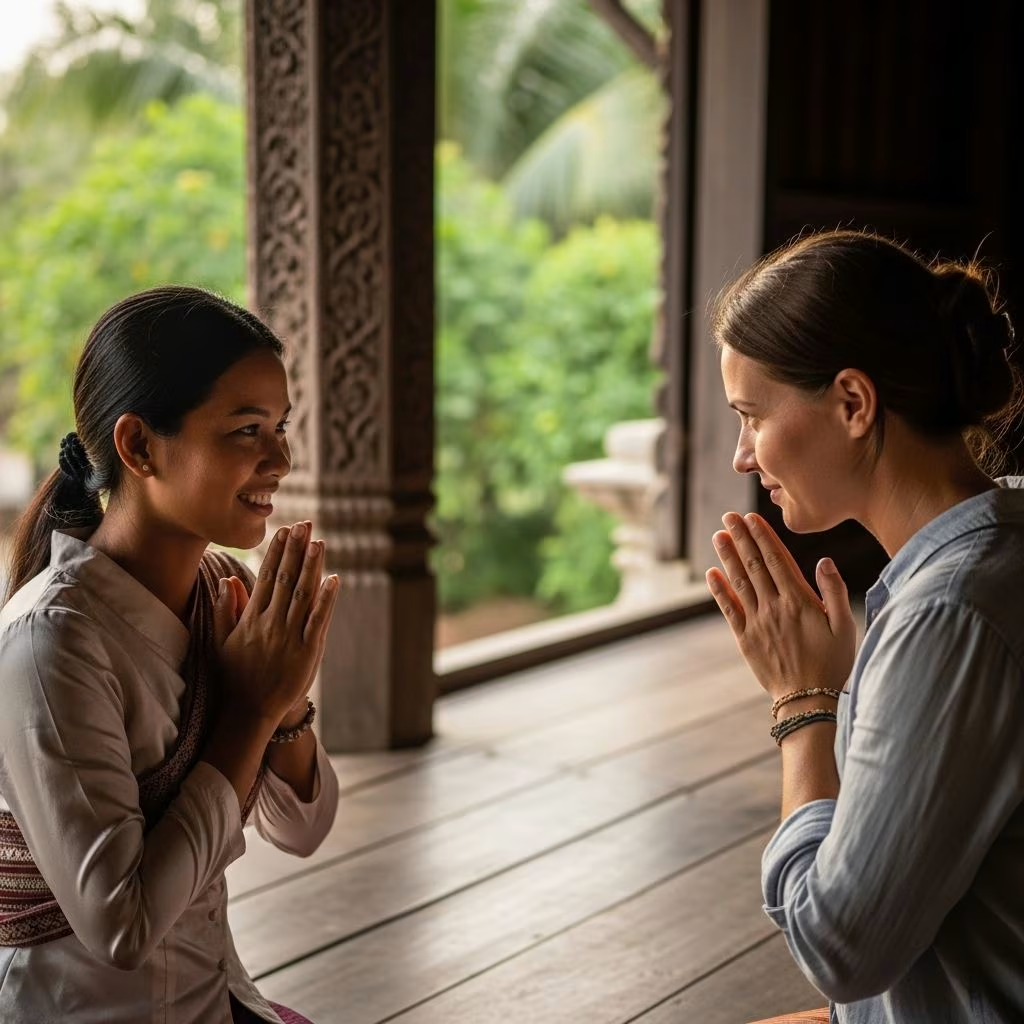
The cornerstone of Cambodian social exchanges is the sampeah, a prayer-like gesture where palms press together and a slight bow accompanies it. This non-verbal cue conveys respect, with hand height varying by the recipient’s status: chest level for peers, nose level for elders, and forehead level for monks or royalty. Unlike Western handshakes, it avoids physical contact, prioritizing personal space.
Accompany the sampeah with a gentle smile and brief eye contact, but avoid staring, which can seem confrontational. Use polite Khmer phrases like “Chumreap Suor” (hello) for formal hellos. Always greet the eldest or most senior person first in groups to uphold hierarchy and prevent loss of face—a core cultural value where reputation is paramount.
Cambodians value modesty, especially in conservative settings. Opt for clothing covering shoulders, chest, and knees, particularly at religious sites. Lightweight cotton outfits suit the tropical climate while aligning with norms. Men typically wear long pants and shirts; women favor blouses and sarongs over revealing attire.
| Setting | Recommended Attire | Avoid |
|---|---|---|
| Temples/Pagodas | Long pants/skirts, covered shoulders | Shorts, tank tops, sleeveless shirts |
| Markets/Cities | Casual modest clothes | Offensive graphics, overly tight outfits |
| Formal Events | Traditional krama scarf, collared shirt | Beachwear, flip-flops |
Maintain a calm demeanor in public; loud voices or disruptive actions disrupt harmony. Public affection is rare—hand-holding is okay for same-gender friends, but couples refrain from kissing or hugging.
Buddhist wats (temples) are living centers of worship. Remove shoes and hats upon entry, and dress conservatively. Women must not touch monks or pass items directly; place offerings on the ground or use a intermediary. Men also minimize contact. Keep your head below a monk’s waite—literally and figuratively—symbolizing humility.
These practices stem from monastic vows of celibacy and detachment, ensuring spiritual purity.
Cambodian meals are family-style affairs from shared platters, using spoons, forks, and chopsticks—no knives, as food arrives pre-cut. Wait for elders or hosts to start eating. Serve others first, especially seniors, using your right hand or both for passing dishes. The left hand is reserved for hygiene-related tasks.
Finish your plate to show appreciation; leaving food signals wastefulness. Eat quietly without slurping or burping. In rural homes, accept tea or snacks graciously—refusing bluntly causes loss of face.
| Do’s | Don’ts |
|---|---|
| Wait for elders to begin | Point feet at others/food |
| Use right/both hands to pass | Leave food unfinished |
| Serve guests/elders first | Stick chopsticks upright in rice |
| Take small portions initially | Eat with left hand alone |
Cambodia’s collectivist society prioritizes group well-being over individuals. Defer to elders in conversations—never interrupt. Use honorifics like “Lok Ta” (grandfather) or “Lok Srey” (auntie) for politeness. In villages, a respectful sampeah to community leaders builds instant rapport.
Markets reward courteous gestures: return a vendor’s sampeah for better deals. Avoid touching heads, considered the seat of the soul, and point with your whole hand or chin, not a finger.
Monks embody spiritual authority; yield seats, paths, and priority. Women maintain distance—no touching or direct handoffs. A nop (similar to sampeah) greets them. Soft speech and lowered gaze show deference. These norms preserve monastic purity amid lay interactions.
Urban youth in Phnom Penh blend Western influences, but core etiquette persists. Apps and tours now teach sampeah virtually, yet authentic practice shines in person. During festivals like Khmer New Year, heightened politeness amplifies water fights and games into harmonious celebrations.
Perform a sampeah with hands at nose level or higher, bow slightly, and use formal titles like Lok for respect.
No—cover knees and shoulders to honor sacred spaces. Rentals are often available at entrances.
It’s associated with unclean tasks; right or both hands demonstrate courtesy and hygiene.
Limited—same-gender hand-holding yes, but couples keep distance to respect conservative norms.
Don’t touch (women especially), keep head lower, offer items indirectly, and speak softly.
Smile, apologize humbly—a genuine sampeah often mends any oversight gracefully.
Embracing these customs transforms travel from sightseeing to cultural immersion. Cambodians appreciate efforts, rewarding visitors with warmth and hospitality.
