

 Travel Essentials
 Travel Essentials

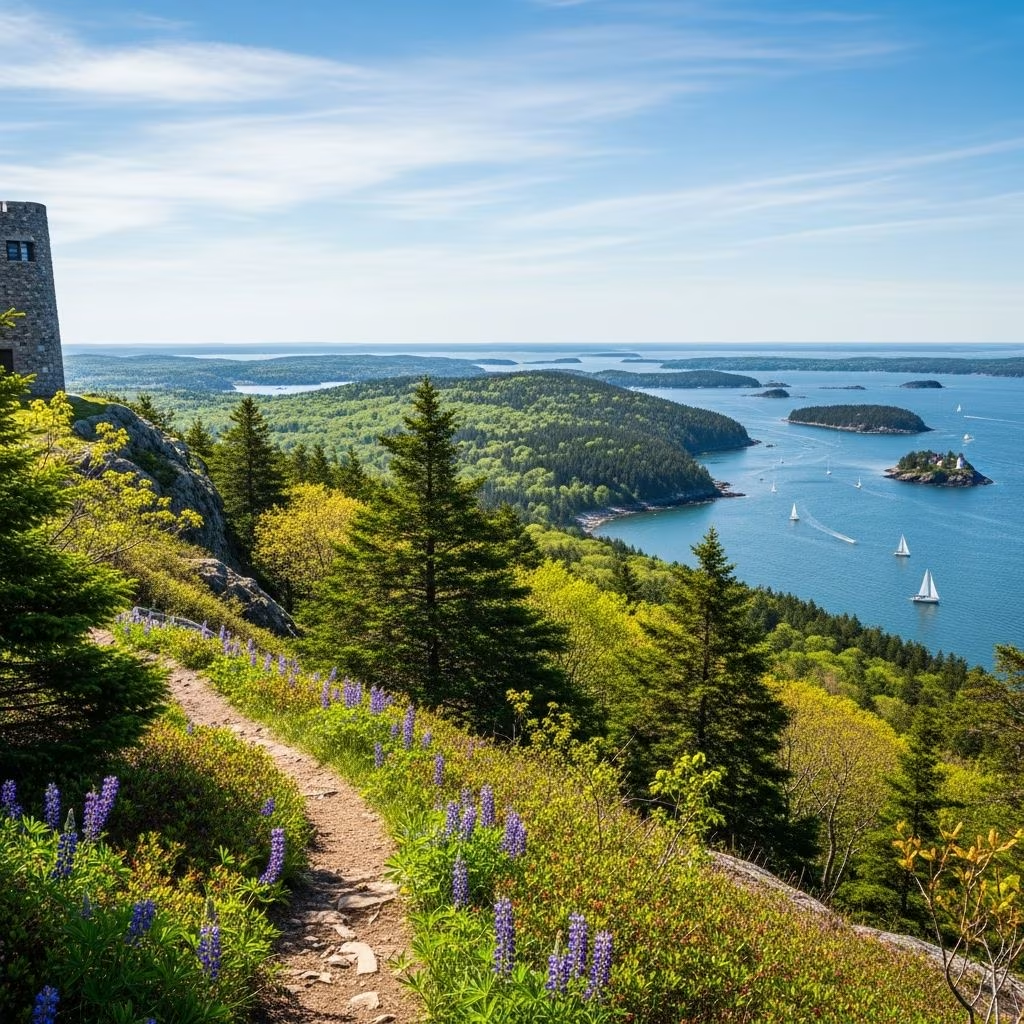
Explore Camden Hills State Park's 5,700 acres of wooded terrain, 30+ miles of hiking trails, and stunning vistas of Penobscot Bay and coastal Maine.
 Travel Essentials
Nestled along Maine’s picturesque midcoast region, Camden Hills State Park stands as a sanctuary for outdoor enthusiasts seeking an escape from crowded tourist destinations. Spanning 5,700 acres of densely forested terrain interspersed with scenic coastal vistas, this state park represents one of New England’s most underrated natural treasures. Unlike its more famous neighbor, Acadia National Park, Camden Hills offers visitors the opportunity to experience dramatic ocean views, challenging mountain trails, and rich historical heritage without navigating overwhelming crowds.
The park’s terrain encompasses a compelling blend of wooded hills and accessible shoreline, creating a diverse ecosystem that appeals to visitors with varying interests and physical abilities. The topography ranges from sea-level access points along the coast to elevated peaks that command sweeping vistas of Penobscot Bay and the surrounding archipelago. This elevation variation allows visitors to transition seamlessly from maritime landscapes to mountain environments within a relatively compact geographic area.
The forest composition within the park reflects typical New England deciduous and mixed woodland characteristics, with dense vegetation that provides both shade during summer months and spectacular foliage displays during autumn. Native tree and shrub species dominate the landscape, having been carefully selected and planted during the park’s development era to maintain ecological integrity while enhancing visitor experience.
Camden Hills State Park’s development history provides a fascinating window into Depression-era public works initiatives and conservation philosophy. The federal government initially acquired 4,331 acres across Camden and Lincolnville beginning in 1936, envisioning a landscape transformed for recreational public use. The National Park Service collaborated with the Maine Parks Commission to conceptualize and implement this ambitious undertaking, creating what would become a regional landmark.
The Civilian Conservation Corps, particularly the 1130th Company, emerged as the primary force reshaping this raw landscape into a functional recreation destination. Over a six-year period spanning the late 1930s, hundreds of CCC enrollees invested thousands of man-hours converting dense undergrowth and undeveloped terrain into a network of trails, roads, and supporting infrastructure. These workers employed remarkably low-tech methods—axes, hand saws, two-man crosscut saws, shovels, and pick axes—to accomplish transformations that would require heavy machinery by modern standards.
The CCC’s tangible contributions extended beyond trail construction. Work crews established comprehensive water and sewer systems, erected durable structures including a distinctive stone-and-timber picnic pavilion positioned in the park’s eastern sector, and graded roads that remain in use today. Additionally, Heistad and his CCC team planted 7,000 native trees and shrubs, establishing the mature forest canopy visible to contemporary visitors. These individuals also constructed rustic footbridges and naturalistic steps along hillsides, demonstrating attention to aesthetic integration with the landscape.
Following World War II, the state of Maine assumed management responsibilities for the park in 1947, transitioning from federal stewardship to state-level administration. This transition marked the beginning of Maine’s ongoing commitment to maintaining and expanding the recreational opportunities within the park’s boundaries.
Among the numerous peaks and elevated vistas within the park, Mount Battie commands particular prominence as the most visually arresting location. Rising 806 feet above sea level, this mountain’s summit provides the most comprehensive panoramic experience available within the park’s boundaries. From this apex, visitors encounter unobstructed views encompassing Camden Harbor, the waters of Penobscot Bay, and the scattered islands dotting the coastal landscape.
On days when atmospheric conditions permit optimal visibility, the mountain’s elevation affords sight lines extending toward Cadillac Mountain, the highest peak within Acadia National Park, situated many miles to the northeast. This long-distance vista connection symbolically links two major Maine recreational destinations and underscores the regional significance of coastal Maine’s elevated terrain.
The accessibility of Mount Battie’s summit via well-established trail systems makes it attractive to visitors with moderate hiking experience and reasonable fitness levels. The route does not demand mountaineering expertise or specialized equipment, yet the physical exertion required provides satisfying accomplishment for recreational hikers. The cultural significance of this location extends beyond contemporary recreation; Mount Battie inspired Edna St. Vincent Millay’s celebrated poem “Renascence,” establishing a literary connection that enriches the site’s cultural resonance.
While Mount Battie attracts the greatest visitor concentration, Mount Megunticook represents the geographic centerpiece of the Camden Hills range. As the highest peak within this mountain system and the loftiest summit on the Maine mainland, Megunticook presents a moderate hiking challenge accessible to visitors with basic outdoor skills and adequate physical conditioning. The ascent to this peak provides visitors with a sense of mountaineering accomplishment while rewarding effort with distinctive vistas unavailable from lower elevations.
Beyond these two principal peaks, the park encompasses numerous additional named mountains and scenic overlooks. This multiplicity of destinations ensures that repeat visitors continually discover novel perspectives and previously unexplored terrain. The variety of peaks accommodates different visitor preferences regarding physical exertion levels and scenic priorities.
The park’s comprehensive trail network exceeds 30 miles in total length, offering routes suitable for diverse skill levels and time commitments. This extensive system ranges from gentle nature walks appropriate for families with young children to challenging mountain ascents demanding serious endurance and technical hiking proficiency. The well-maintained trail infrastructure reflects both contemporary recreational standards and historical construction methods established during the CCC era.
Among the most popular designated routes, the Mount Battie Trail stands out as an accessible option providing remarkable scenic rewards relative to physical exertion required. This trail delivers visitors to the aforementioned summit vista while remaining achievable for individuals with moderate fitness levels. The Bald Rock Trail represents another significant hiking destination, leading visitors to a distinctive geological formation that punctuates the landscape with visual interest and provides alternative perspectives on the surrounding environment.
The trail system’s comprehensive mapping and maintenance protocols ensure that visitors possess reliable navigation information and encounter well-groomed pathways throughout their exploration. Seasonal variations affect trail conditions and accessibility, with winter snowfall potentially requiring specialized equipment such as snowshoes for safe passage.
Beyond the major peaks, Maiden’s Cliff emerges as a destination combining geological significance with haunting historical narrative. This distinctive landmark is marked by a white cross commemorating Elenora French, a young girl who tragically fell from the cliff’s edge during 1864. The cross serves as both memorial and historical marker, establishing a tangible connection between contemporary visitors and the site’s documented past.
The cliff’s scenic vistas rival those available from higher elevations, offering perspectives that emphasize the dramatic relationship between elevated terrain and the coastal landscape below. The combination of natural beauty and historical resonance creates an emotionally complex visitor experience that extends beyond simple recreational enjoyment.
| Season | Characteristics | Recommended Activities |
|---|---|---|
| Spring | Mild temperatures, wildflowers emerging, trails drying | Nature walks, photography, moderate hikes |
| Summer | Warm weather, dense foliage, peak visitor season | Mountain climbing, picnicking, exploration |
| Fall | Spectacular foliage, cooler temperatures, reduced crowds | Peak hiking season, photography, scenic drives |
| Winter | Snow coverage, cold temperatures, solitude | Snowshoeing, cross-country skiing, winter photography |
The park provides essential visitor amenities including parking areas, picnic facilities, and restroom accommodations strategically positioned to serve different recreational zones. The historic stone-and-timber picnic pavilion constructed by CCC workers continues serving contemporary visitors, representing tangible continuity between Depression-era conservation efforts and present-day recreation. These facilities accommodate both day-use visitors and those engaging in extended exploration throughout the park.
Fall offers optimal conditions with spectacular foliage and moderate temperatures, though spring and summer also provide excellent hiking weather. Winter visits appeal to visitors seeking solitude and snowshoeing opportunities.
The Mount Battie Trail represents a moderate difficulty route achievable by visitors with basic fitness levels and no specialized mountaineering experience required.
Park regulations typically permit leashed dogs on designated trails; however, visitors should verify current pet policies before visiting.
Essential items include water, snacks, appropriate footwear, weather-appropriate clothing, sunscreen, and a map or navigation device. Insect repellent proves valuable during summer months.
Most visitors complete the Mount Battie Trail experience within two to three hours, including summit time and photography opportunities.
Camden Hills State Park occupies a distinctive position within the broader New England outdoor recreation landscape. While Acadia National Park attracts visitors seeking comprehensive coastal mountain experiences with established tourist infrastructure, Camden Hills appeals to those prioritizing solitude, accessibility, and intimate engagement with landscape. The park’s lesser-known status paradoxically enhances its appeal for visitors fatigued by crowded tourist destinations yet unwilling to compromise on scenic quality or recreational opportunity.
The geographic proximity to populated coastal Maine communities positions the park as an accessible retreat for regional residents while remaining sufficiently distinctive to attract visitors from distant locations. This balance between accessibility and perceived remoteness creates a unique recreational niche within Maine’s outdoor offerings.
Contemporary park management maintains the conservation principles established during the CCC era while adapting infrastructure and services to accommodate modern visitor expectations. Trail supervision, ecosystem monitoring, and seasonal maintenance represent ongoing commitments ensuring the park’s continued viability as both recreation destination and natural preserve.
Camden Hills State Park endures as a testament to both Depression-era conservation initiatives and Maine’s commitment to preserving accessible natural landscapes. Whether visitors arrive seeking cardiovascular challenge, photographic inspiration, historical connection, or simple peaceful retreat, this 5,700-acre expanse delivers compelling experiences rooted in natural beauty, human history, and sustained conservation stewardship.
