

 Travel Essentials
 Travel Essentials

TSA now permits whole coconuts through airport security in carry-ons, easing worries for travelers from tropical destinations. Learn packing tips, rules, and alternatives.
 Travel Essentials
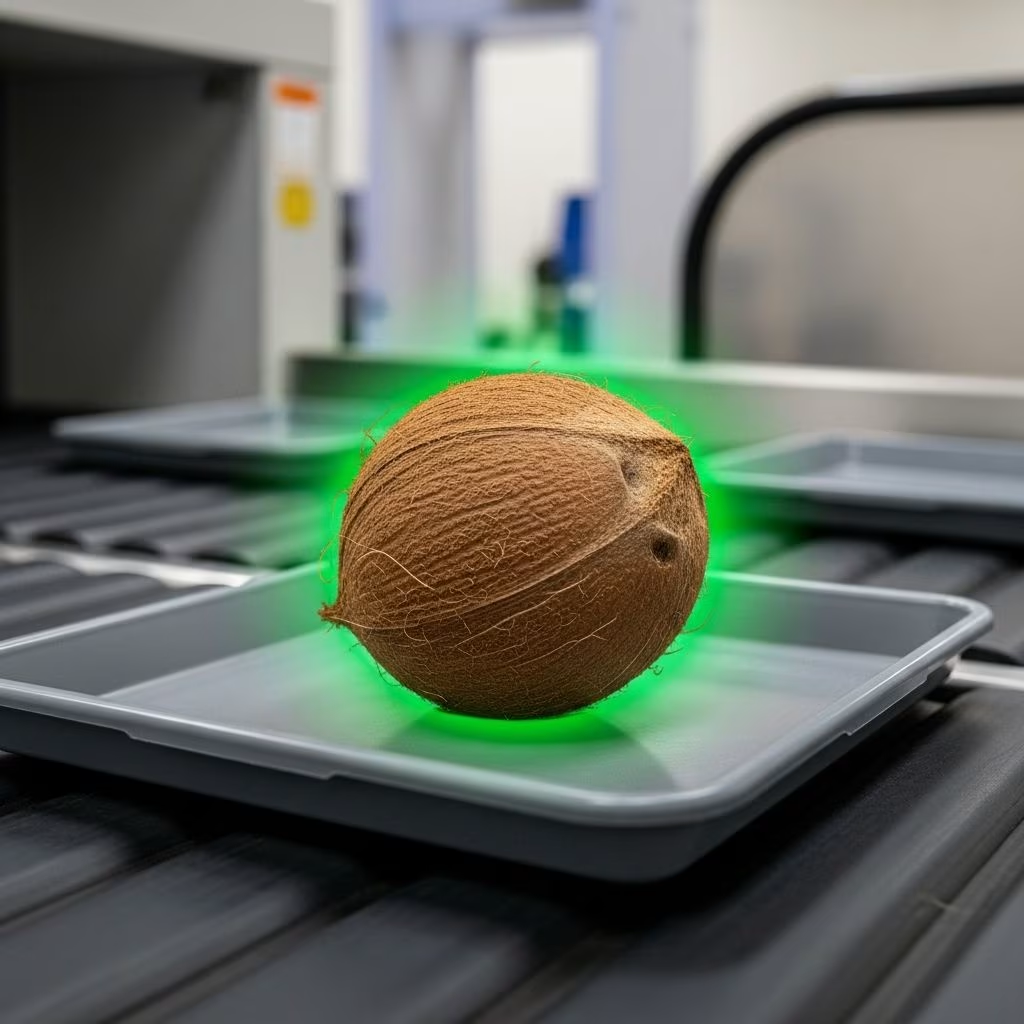
Travelers heading home from beach vacations have a new reason to celebrate: the Transportation Security Administration (TSA) officially allows whole coconuts through airport security checkpoints. This policy shift addresses long-standing confusion over whether these tropical fruits, brimming with natural liquid, qualify as permitted carry-on items. For frequent flyers from destinations like Hawaii, the Caribbean, or Southeast Asia, this means one less item to abandon at the gate.
The core update revolves around intact coconuts—those still in their hard, fibrous shells. Unlike processed foods or extracted liquids, whole coconuts are classified as solid items despite their internal water content. TSA scanners can now distinguish the natural structure, reducing false alarms at screening stations. This aligns with broader guidelines for fruits and vegetables that don’t pose liquid volume risks.
Past uncertainties stemmed from the 3-1-1 liquids rule, which caps carry-on liquids, gels, and aerosols at 3.4 ounces per container in a single quart-sized bag. Coconut water inside a whole fruit exceeds this, but since it’s encased and not accessible, it bypasses the restriction. Officials emphasize that the shell must remain unbroken; cracked or opened coconuts revert to liquid status and require checked baggage.
Coconuts have long tested airport boundaries due to their dual nature: a sturdy exterior hiding up to a liter of liquid. Early TSA encounters often led to confiscations, as agents erred on caution with dense, organic shapes mimicking potential threats on X-ray images. Social media anecdotes amplified the issue, with videos of discarded beach bounty going viral.
Agricultural safeguards also played a role. U.S. Customs and Border Protection (CBP) restricts fresh produce to curb invasive pests, but domestic travel faces fewer hurdles. For interstate flights, whole coconuts from U.S. territories like Puerto Rico or Guam typically clear without issue, provided they show no signs of disease.
To maximize approval odds, prepare your coconuts thoughtfully. Select mature, unblemished specimens—heavy ones indicate fresh water inside. Wrap each in a soft towel or bubble wrap to prevent rolling and damage during boarding scrambles. Place them in an accessible bag spot for quick inspection.
| Item Type | Carry-On Allowed? | Checked Baggage | Tips |
|---|---|---|---|
| Whole Coconut (Intact) | Yes | Yes | Secure to avoid leaks; limit to 2-3 per bag. |
| Opened Coconut | No (if liquid >3.4oz) | Yes | Drain excess water before packing. |
| Coconut Water Bottle | 3.4oz max | Yes | Follow 3-1-1 rule. |
| Dried Coconut Products | Yes | Yes | No restrictions; ideal for snacks. |
For multiple coconuts, distribute weight evenly to comply with airline carry-on limits, typically 22 pounds for personal items. Test-shake each to ensure no premature sloshing, signaling cracks.
While TSA handles U.S. domestic and pre-clearance flights, international journeys demand extra vigilance. Upon landing abroad or returning stateside, CBP inspectors enforce strict produce bans. Whole coconuts from regions with coconut pests, like parts of Asia, may require declaration or destruction.
Pro tip: Download the CBP agriculture app for real-time admissibility checks. Countries like Australia and New Zealand impose total fresh fruit embargoes, redirecting travelers to vacuum-sealed alternatives.
Not every trip suits lugging fibrous orbs. Consider these hassle-free substitutes:
These options preserve flavor profiles—nutty, hydrating essence—minus the bulk. Stock up at duty-free for last-minute grabs.
Anecdotes from forums and social clips reveal successes: a Hawaiian family breezed through with four wrapped coconuts, charming TSA with their story. Conversely, a rushed passenger’s cracked fruit led to a spill and binning. Lesson? Arrive early, disclose items proactively.
“Packed mine in socks—passed LAX without a hitch!” – Frequent Flyer Review
Airline variances exist: budget carriers like Spirit enforce stricter weight audits, potentially flagging heavy produce.
Beyond novelty, whole coconuts offer hydration perks. Their water rivals sports drinks with electrolytes, ideal for jet-lagged arrivals. Nutritionally, the meat provides healthy fats and fiber, sustaining long layovers sans processed snacks.
Safely crack post-flight using a hammer or oven method: bake at 375°F for 10 minutes to loosen the shell. Yield: refreshing drink plus edible white flesh for curries or smoothies.
This ruling signals evolving security paradigms, prioritizing scanner tech over blanket bans. Similar fruits like pineapples or durians may follow, pending tests. Travelers benefit from fewer waste heartaches, promoting sustainable souvenir choices.
Yes, TSA permits intact whole coconuts in carry-ons, as confirmed by recent guidelines. Ensure they are unopened.
Cracked coconuts are treated as liquids; place in checked luggage or discard to avoid confiscation.
No official TSA limit, but adhere to bag weight/size rules. Customs may restrict quantities internationally.
Only in 3.4-ounce containers per the 3-1-1 rule; larger go in checked bags.
TSA sets screening standards, but airlines control baggage weight. Check specifics before flying.
Embracing whole coconuts exemplifies savvy packing: blending adventure with compliance. Verify updates via the TSA app, as policies adapt. Next beach getaway, harvest confidently—your electrolyte-packed prize awaits home.
