

 Travel Essentials
 Travel Essentials

Discover how to travel safely with shingles: assess symptoms, secure insurance, pack wisely, and prevent transmission for worry-free adventures.
 Travel Essentials
Shingles, caused by the reactivation of the varicella-zoster virus, presents unique challenges for travelers. This painful rash can disrupt plans, but with proper preparation, many can journey safely. Understanding the condition’s stages, contagion risks, and management tactics allows for informed decisions on whether to proceed with trips.
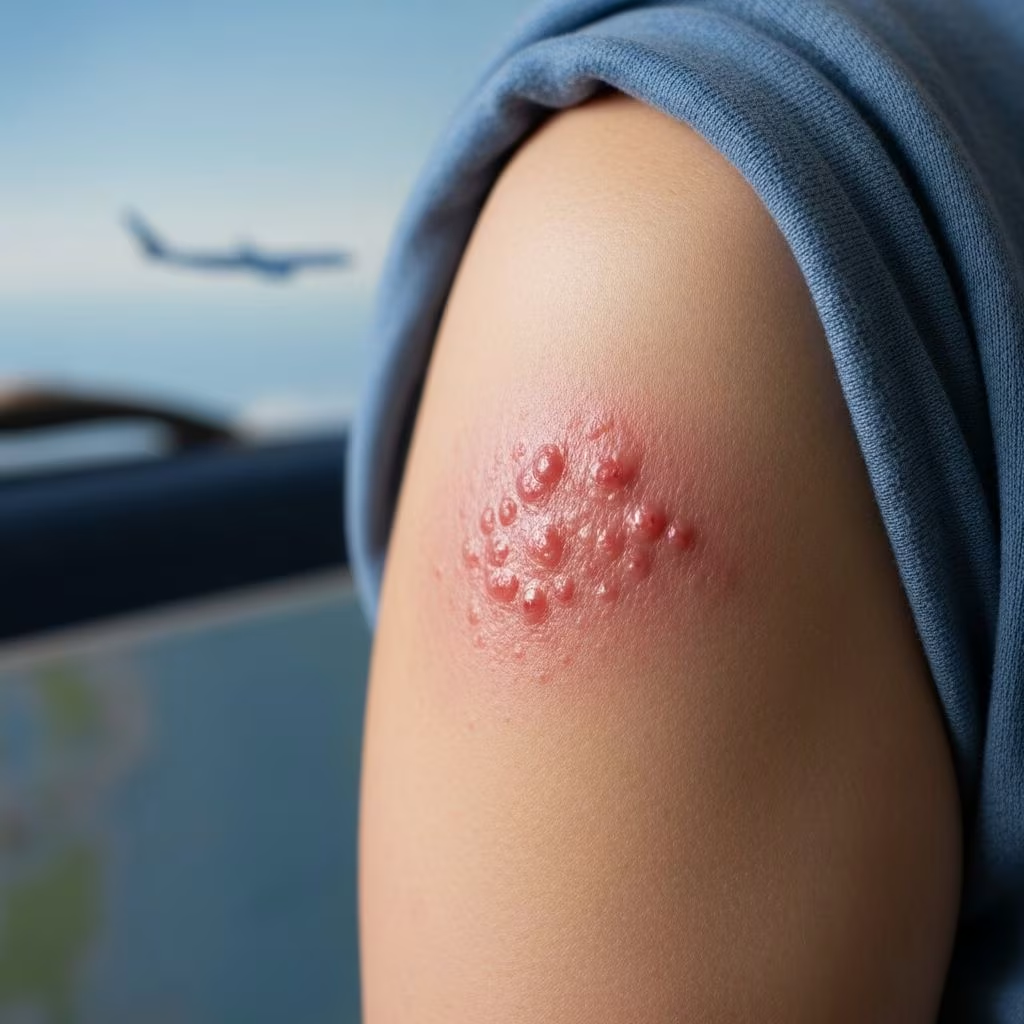
Shingles typically manifests as a unilateral rash with blisters, accompanied by burning pain, often along nerve paths like the torso or face. It stems from the same virus behind chickenpox, lying dormant until stress, age, or immune dips trigger it. Travel’s demands—jet lag, crowds, physical exertion—can exacerbate symptoms or delay healing.
Key factors influencing travel feasibility include symptom severity, contagion status, and overall stamina. Mild cases with crusted rashes pose minimal risks, while active blisters demand caution to avoid spreading the virus, which can cause chickenpox in unvaccinated contacts.
Before booking, gauge your condition. Active, fluid-filled blisters signal high contagion, making close-quarters travel like flights inadvisable. Wait until scabs form, usually 7-10 days post-rash onset, reducing transmission risks significantly.
Consult a physician for personalized clearance, especially for flights. Airlines may deny boarding if rashes appear infectious, per health guidelines. A doctor’s note affirming fitness to fly eases concerns.
Prioritize a healthcare visit. Providers assess outbreak stage, prescribe antivirals like acyclovir if early (within 72 hours), and advise on pain relief via gabapentin or topical agents. Discuss vaccination status—Shingrix reduces reactivation risk by over 90% in adults over 50.
Boost immunity pre-trip: balanced nutrition, 7-9 hours sleep nightly, stress reduction via meditation. Hygiene curbs spread—frequent handwashing (20+ seconds) and rash avoidance prevent accidental transmission. Steer clear of high-risk groups: pregnant individuals, newborns, immunocompromised.
| Pre-Travel Health Steps | Benefits |
|---|---|
| Vaccination check | Lowers future outbreak odds |
| Antiviral initiation | Shortens duration, eases pain |
| Immune support routine | Enhances resilience to stressors |
| Physician clearance letter | Airline compliance assurance |
Standard policies often exclude pre-existing conditions; seek coverage explicitly including shingles. Review for emergency evacuations, specialist access abroad, and prescription refills. Compare providers for trip length, activities (e.g., adventure sports), and medical limits—aim for $50,000+ per incident.
Disclose symptoms honestly; non-disclosure risks claim denials. Policies covering chronic viral reactivation provide peace of mind amid potential complications like postherpetic neuralgia.
Overpack medications: double your antiviral course, analgesics (ibuprofen, acetaminophen), and calamine lotion or capsaicin cream for itch/pain. Include cool compresses or gel packs for inflammation.
Opt for carry-on meds to avoid lost luggage issues.
No blanket flying ban exists, but CDC urges delaying until non-contagious. Cover rashes fully on planes; choose aisle seats for movement, avoiding prolonged sitting aggravating pain. Short-haul flights suit better than long-haul; build rest buffers.
For trains/buses: Similar precautions—mask if near crowds, sanitize surfaces. Drive if possible for flexibility in pacing. Monitor cabin pressure effects; hydration counters dryness irritating skin.
Select milder climates avoiding extremes—heat/sun intensify rashes, cold stiffens nerves. Beach resorts? Shade and rash cover prevent UV damage delaying healing. Urban escapes allow clinic access.
Once there: Pace activities, nap post-excursions. Local pharmacies stock basics, but verify insurance networks. Apps track nearby urgent care; inform companions of needs.
Rash covering is non-negotiable—use non-stick dressings, change frequently. No direct contact with rash; wash hands post-accidental touch. Isolate if feasible during peak contagion.
Educate travel mates: Virus spreads via blister fluid to non-immune, not airborne. Post-scab, normal interactions resume.
Returnees: Continue meds, monitor for neuralgia (persistent pain). Follow-up appointments catch complications. Reflect: Adjust future plans around health peaks.
Long-term: Annual check-ups, booster shots sustain protection.
No—wait for crusting to minimize spread risks on flights.
Typically 1-2 weeks post-rash when scabbed.
Not directly, but stress/fatigue can prolong recovery.
Yes—ensure pre-existing condition coverage.
Rarely, but visible rashes may prompt quarantine checks.
