

 Travel Essentials
 Travel Essentials

Discover Canada's finest national parks, from Rocky Mountain peaks to coastal rainforests, featuring must-visit destinations and insider travel tips.
 Travel Essentials
Canada’s national parks represent some of the most pristine wilderness areas on the North American continent. Spanning from the Atlantic seaboard to the Pacific Coast and extending into the Arctic regions, these protected landscapes showcase extraordinary biodiversity, geological formations, and recreational opportunities. Whether you seek mountainous terrain, coastal adventures, or remote backcountry experiences, Canada’s park system offers something remarkable for every type of nature enthusiast.
The Canadian Rocky Mountains contain some of the nation’s most iconic protected areas. These regions have served as outdoor destinations for generations, drawing visitors from around the globe who seek dramatic alpine scenery and world-class recreational facilities.
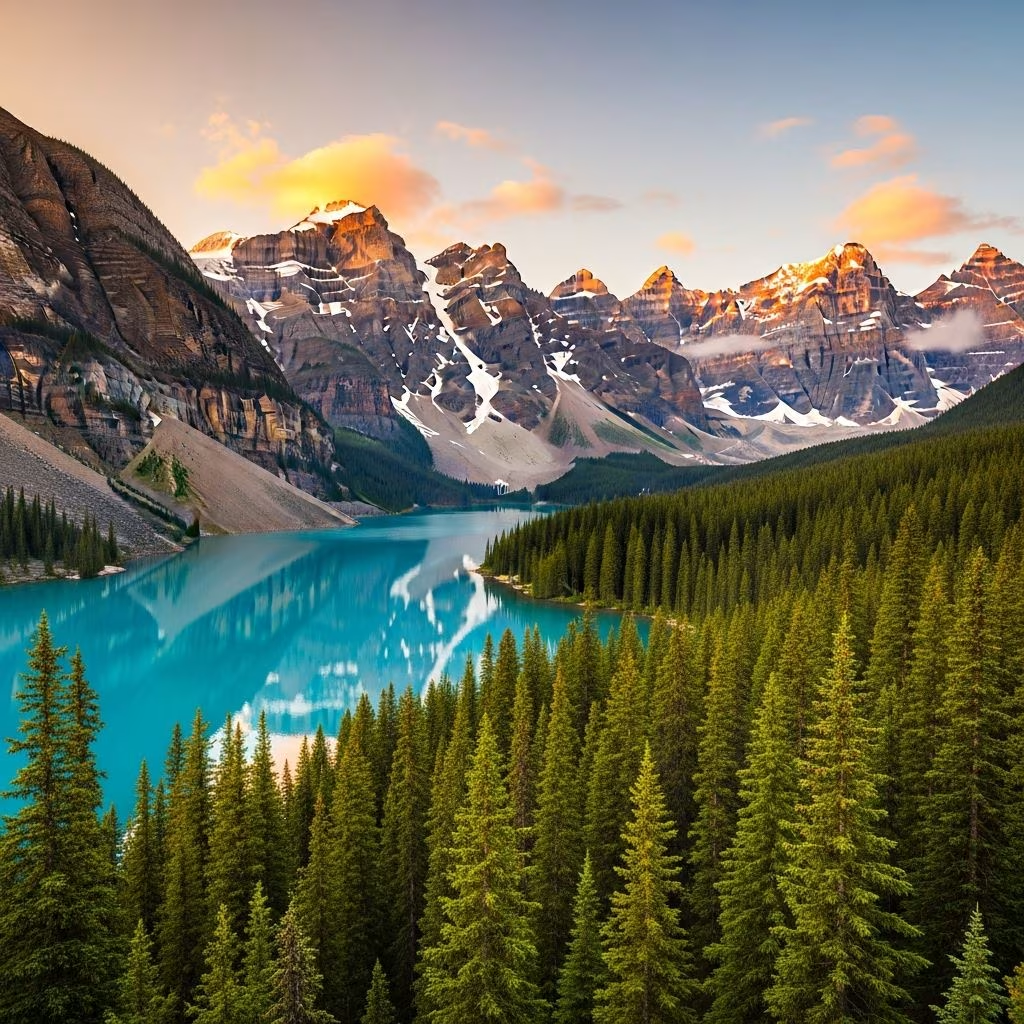
Banff National Park stands as Canada’s first national park, established in 1885, making it one of the oldest protected mountain areas in North America. Encompassing 2,564 square miles of Rocky Mountain wilderness, this UNESCO World Heritage Site features turquoise glacial lakes, jagged peaks, and abundant wildlife viewing opportunities. The park’s infrastructure includes the charming mountain town of Banff, which provides accommodation, dining, and shopping while maintaining its character as a gateway to pristine nature.
Jasper National Park complements Banff by offering a more expansive wilderness experience. This massive protected area encompasses 4,335 square miles and features a network of backcountry trails, turquoise lakes, and fewer crowds than its southern neighbor. The Athabasca River valley provides excellent opportunities for whitewater activities and wildlife observation, while the park’s northern location results in extended daylight hours during summer months.
Canada’s eastern provinces harbor distinct marine and coastal park experiences that differ dramatically from mountain environments.
Cape Breton Highlands National Park in Nova Scotia presents dramatic coastal scenery along the Atlantic Ocean, featuring steep cliffs, verdant valleys, and the famous Cabot Trail scenic drive. The park’s location on the Cabot Strait provides whale watching opportunities during migration seasons, and numerous hiking trails range from easy coastal walks to challenging ridge traverses.
Fundy National Park in New Brunswick showcases the dramatic Bay of Fundy, which experiences the highest tidal range in the world. This creates a unique ecosystem where visitors can witness substantial changes in the shoreline throughout daily tidal cycles. The park offers opportunities to explore tide pools, hike through Acadian forests, and observe diverse marine life.
British Columbia’s protected areas represent some of North America’s most pristine temperate rainforests and rugged coastal terrain.
Pacific Rim National Park Reserve encompasses three distinct geographical units along Vancouver Island’s western coast. Long Beach provides access to powerful Pacific surf and sandy shorelines, the Broken Group Islands offer kayaking and boating opportunities, and the West Coast Trail presents a challenging multi-day hiking experience through remote wilderness. The park’s temperate rainforests contain some of Canada’s oldest and largest trees, while migrating humpback whales can be observed during spring and fall migration periods.
Gros Morne National Park in Newfoundland showcases dramatic fjord landscapes, eroded mountains, and freshwater lakes. The park’s geological features include visible evidence of plate tectonics, with ancient ocean floor rocks thrust upward onto the continental surface. Boat tours through Western Brook Pond provide perspectives of thousand-foot cliffs rising directly from pristine freshwater.
Canada’s northern parks protect vast territories and unique habitats found in few other locations globally.
Wood Buffalo National Park holds the distinction of being Canada’s largest national park, encompassing over 27,800 square kilometers of boreal forest, wetlands, and northern grasslands. This immense protected area spans portions of Alberta and the Northwest Territories, providing habitat for numerous species including wood bison, moose, and migratory waterfowl. The park’s remote location and undeveloped character make it ideal for experienced backcountry adventurers seeking solitude.
Laurentian Shield Parks showcase the geological foundation of eastern Canada, featuring ancient granite formations, coniferous forests, numerous waterways, and abundant wildlife. These parks typically contain extensive canoe routes that have served as transportation corridors for generations, allowing visitors to experience the landscape through traditional water-based travel methods.
| Park Type | Primary Features | Accessibility Level | Best Season |
|---|---|---|---|
| Mountain Parks | Alpine scenery, lakes, hiking | High | Summer to early fall |
| Coastal Parks | Ocean views, marine wildlife, beaches | Moderate to high | Spring to fall |
| Backcountry Parks | Wilderness, remote areas, wildlife | Low to moderate | Summer |
| Northern Parks | Boreal forest, unique ecosystems | Low | Summer |
Popular parks like Banff maintain extensive visitor infrastructure including hotels, campgrounds, and educational facilities. These developed areas provide comfortable bases for exploring surrounding wilderness. More remote parks require greater self-sufficiency from visitors, often involving camping, backcountry navigation, and wilderness skills.
Canada’s national parks support varied recreational pursuits suited to different skill levels and interests:
Canada’s parks protect critical habitats for numerous species. The Canadian Rockies support populations of grizzly bears, mountain lions, elk, and bighorn sheep. Laurentian parks harbor forty species of mammals across diverse habitats. Coastal parks provide feeding grounds and migration corridors for marine mammals including whales, seals, and sea otters. Wetland areas support vast populations of migratory waterfowl and other bird species.
These protected landscapes play essential roles in maintaining ecological functions including carbon sequestration, water regulation, and species genetic diversity. The interconnected park system helps protect migration corridors and breeding habitats necessary for species survival.
While famous parks like Banff, Jasper, and Pacific Rim attract substantial visitor numbers, Canada’s park system includes numerous alternatives offering excellent experiences with fewer crowds. Lesser-known parks often provide comparable natural features with more solitude and easier access to backcountry areas.
Visiting during shoulder seasons (late spring and early autumn) reduces crowds while maintaining pleasant weather in most regions. Weekday visits typically provide better experiences than weekends, particularly during summer months. Remote parks accessed by limited transportation naturally restrict visitor numbers while providing authentic wilderness experiences.
Successful national park experiences require appropriate preparation. Research specific park regulations, trail conditions, and seasonal considerations before arrival. Obtain necessary permits for backcountry camping and special activities. Check weather forecasts and prepare appropriate gear and clothing. Understand wildlife safety protocols and food storage requirements in areas with dangerous wildlife. Arrange accommodation well in advance during peak seasons, as popular campgrounds and lodges fill quickly.
Different parks maintain distinct characteristics that suit various visitor preferences and skill levels. Rocky Mountain parks offer spectacular scenery with extensive infrastructure. Coastal parks provide marine ecosystem experiences. Northern parks deliver authentic wilderness for experienced adventurers. Atlantic parks showcase regional geological and ecological features.
Summer months (June through September) offer the most pleasant weather and fully accessible trails. Spring and fall provide fewer crowds and unique seasonal characteristics. Winter visits require specialized equipment and experience in snow-covered environments.
Most parks require advance reservations for backcountry camping, particularly during peak seasons. Availability varies by park and specific campground locations. Check individual park websites for current reservation procedures and availability.
Regulations vary by park. Many parks allow leashed dogs on specific trails and in designated areas, while some restrict pets to front-country areas only. Verify pet policies before traveling with animals.
Maintain safe distances from all wildlife, typically at least 100 meters from large animals. Store food in bear-proof containers or hang caches when camping. Travel in groups in bear country and make noise on trails.
Yes, geographic proximity allows visiting multiple parks in sequential trips. Banff and Jasper are connected by the Icefields Parkway. Multiple Atlantic parks can be visited within a week.
Canada’s national parks represent a remarkable collection of protected landscapes offering world-class outdoor experiences. From the dramatic Rocky Mountain peaks to pristine coastal rainforests, these protected areas provide opportunities for adventure, contemplation, and connection with natural systems. Proper planning and preparation enable visitors to experience these remarkable destinations while respecting ecological integrity and supporting conservation efforts that sustain these landscapes for future generations.
