

 Travel Essentials
 Travel Essentials

Explore Canada's premier rail routes connecting coasts, mountains, and wilderness. Experience luxury sleeper trains, scenic routes, and unforgettable cross-country adventures.
 Travel Essentials
Train travel through Canada offers an unparalleled perspective on the nation’s stunning geography, diverse ecosystems, and rich cultural heritage. Unlike automobile or air travel, rail journeys allow passengers to immerse themselves in the landscape while enjoying comfort and convenience. Canada’s extensive rail network connects remote wilderness areas with bustling metropolitan centers, making rail travel an ideal way to experience the country’s remarkable diversity. From the Atlantic shores to Pacific coastlines, from Arctic tundra to towering mountain peaks, Canadian train routes provide transformative travel experiences that create lasting memories.
Canada’s rail infrastructure has evolved over more than a century, with routes originally built to connect distant regions for commerce and communication. Today, these historic railways serve tourism purposes, offering travelers the chance to traverse landscapes that showcase the nation’s natural beauty and cultural significance. The country’s rail operators maintain several distinct routes, each offering unique perspectives on Canadian geography and communities.
The primary rail operators include VIA Rail, which manages most transcontinental and regional services, and specialized luxury operators like Rocky Mountaineer and Royal Canadian Pacific, which focus on premium scenic experiences. These operators maintain varying levels of comfort, duration, and route specialization, allowing travelers to select experiences matching their preferences and budgets.
The most ambitious Canadian train journey spans the entire nation, connecting Toronto to Vancouver across 4,466 kilometers and requiring approximately 94 hours of travel. This epic voyage traverses diverse terrain, from industrial heartland to pristine wilderness, showcasing the geographic and cultural divisions that define Canada. Passengers experience dramatic landscape transitions as the train moves westward through the Canadian Shield’s rugged terrain, the Prairie’s expansive plains, and finally into the dramatic Rocky Mountain range.
This transcontinental route attracts travelers seeking comprehensive Canadian experiences rather than isolated regional trips. The journey operates year-round, though winter travel presents particularly stunning vistas as snow blankets forests and mountains. Travelers aboard sleeper cars enjoy private berths with basic amenities, dining facilities, and observation areas where panoramic views inspire contemplation and conversation among fellow passengers.
Eastern Canada’s rail infrastructure provides access to Atlantic communities and coastal landscapes inaccessible by other practical means. The Montréal to Halifax route covers 1,346 kilometers over approximately 20 hours, departing from vibrant urban culture and arriving at historic maritime heritage. This journey traces the Gulf of St. Lawrence shoreline and traverses New Brunswick’s forested terrain, offering passengers glimpses into Maritime culture and seaside communities.
The route represents a slower-paced alternative to air travel, allowing passengers to observe landscape transitions and interact with crew members familiar with regional history and culture. Dining on board features regional cuisine reflecting Atlantic culinary traditions, enhancing the cultural immersion experience. This route particularly appeals to travelers interested in Maritime history, lighthouses, fishing villages, and coastal ecology.
Canada’s northern rail routes access regions where alternative transportation becomes impractical, making trains essential infrastructure for remote communities. The Winnipeg to Churchill journey spanning 1,697 kilometers and 36 hours of travel transports passengers through increasingly remote terrain toward the Arctic frontier. This route offers access to Canada’s subarctic landscape, including taiga forests and tundra ecosystems rarely witnessed by casual travelers.
Churchill represents the endpoint of this northern journey, a small community famous for polar bear populations and Arctic wildlife viewing. Travelers aboard this route typically extend their journeys with guided wildlife expeditions, nature hikes, and cultural experiences in this remote settlement. The journey itself becomes an adventure, with landscape gradually shifting from temperate forests toward Arctic conditions as latitude increases.
Similarly, the Jasper to Prince Rupert route covers 1,160 kilometers across 35 hours, connecting the Canadian Rockies to British Columbia’s Pacific coast. This route descends from mountain peaks toward coastal rainforests, showcasing the dramatic topographic variation within British Columbia. Prince Rupert itself offers Indigenous cultural experiences, fishing industry heritage, and access to coastal wilderness areas.
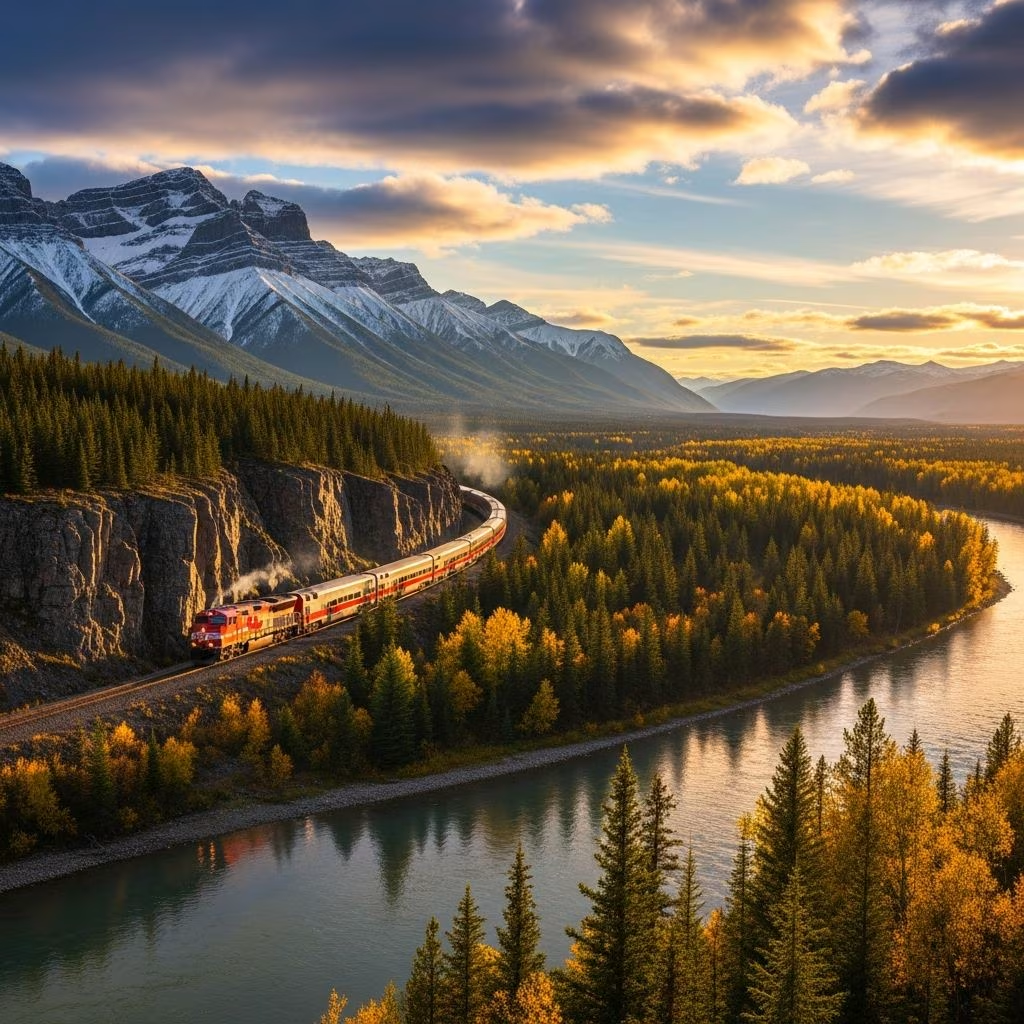
The Canadian Rockies dominate traveler imaginations, and multiple rail operators provide specialized experiences through this iconic landscape. Luxury train services focus exclusively on Rocky Mountain scenery, offering premium accommodations and gourmet dining while traversing mountain passes, alpine lakes, and glacier-fed valleys. These journeys typically operate during daylight hours to maximize landscape viewing, with routes incorporating stops in mountain communities like Banff, Lake Louise, and Kamloops.
The Passage to the Peaks route departs Banff and traverses mountain terrain to Jasper, passing geographic landmarks including Stoney Creek Bridge and Mount Robson. First Passage to the West represents the most popular Rocky Mountain route, famous for connecting Canada’s eastern and western regions through mountain scenery. These specialized services attract travelers prioritizing scenery and comfort over transcontinental ambition, offering concentrated mountain experiences rather than nationwide traversals.
Luxury rail operators like Royal Canadian Pacific provide even more exclusive experiences, with 4-night, 5-day excursions beginning in Calgary and emphasizing premium service, cuisine, and expert commentary on landscape and wildlife. These high-end services typically include small group sizes, flexible routing options, and access to private rail cars with observation decks designed for landscape photography and contemplation.
Canadian train travel experiences vary dramatically by season, with each period offering distinct advantages and challenges. Summer travel maximizes daylight hours and permits observation of full landscape detail, with wildflowers, wildlife activity, and warm weather enhancing outdoor experiences. Autumn transforms landscapes into brilliant color displays as deciduous forests transition, creating stunning photography opportunities.
Winter travel presents starkly beautiful vistas with snow-covered forests, frozen lakes, and crystalline mountain peaks creating photographic masterpieces. However, winter travel requires consideration of cold weather preparation, potential schedule delays from weather conditions, and reduced daylight hours limiting landscape viewing. Spring travel provides moderate weather with increasing daylight and emerging wildlife activity, while temperatures remain mild.
Canadian train accommodations range from basic sleeping cars with shared facilities to luxury private suites with en-suite bathrooms, shower facilities, and premium bedding. VIA Rail’s transcontinental services offer various cabin classes, with budget options providing berths in shared dormitory-style cars and premium services featuring private two-person accommodations with full amenities. Passengers in standard sleeping cars access shared shower facilities and dining cars serving meals throughout journeys.
Luxury operators provide significantly enhanced accommodations, with private observation decks, gourmet dining facilities, and concierge services managing onboard experiences. These premium services include multi-course meals featuring regional ingredients, alcoholic beverages, and expert commentary from naturalists and historians discussing landscapes and communities visible from train windows. Meal service represents a social experience aboard luxury trains, with passengers dining together and sharing travel stories during lengthy meals.
Successful Canadian train travel requires advance planning addressing several factors including route selection, accommodation preferences, seasonal timing, and budget considerations. Travelers should research operator options, comparing service levels, route variations, and pricing to identify experiences matching personal preferences. Early booking becomes increasingly important for popular routes during peak seasons, with accommodations filling months in advance.
Travelers should consider their primary interests when selecting routes: transcontinental explorers prioritize coast-to-coast experiences, mountain enthusiasts focus on Rocky Mountain routes, and wildlife enthusiasts pursue northern expeditions. Budget significantly influences accommodation and service tier selection, with luxury operators commanding premium prices reflecting superior amenities and expert services.
The Vancouver to Toronto journey spans approximately 94 hours of travel time across 4,466 kilometers, with exact duration varying by operator and specific routing. This translates to roughly 4 calendar days including overnight sleeping, though some journeys extend across 5 days depending on operational schedules and stop durations.
Summer offers maximum daylight for landscape viewing, while autumn provides stunning color displays. Winter presents dramatic snow-covered scenery, though reduced daylight hours limit observation time. Selection depends on personal preference for weather conditions and landscape characteristics.
Meal inclusion varies significantly by operator and service tier. Luxury operators typically include gourmet meals in premium pricing, while VIA Rail’s standard services require separate meal purchases in dining cars or from onboard vendors.
Pet policies vary by operator. VIA Rail permits certain small animals in specific accommodation types, while luxury operators maintain different restrictions. Advance inquiry with specific operators ensures compliance with current pet policies.
Pricing ranges from approximately $400-800 for VIA Rail standard accommodations to $3,000-8,000+ for luxury operator experiences, depending on route duration, accommodation class, and season. Premium services command significantly higher prices reflecting superior amenities and services.
Canadian train journeys represent transformative travel experiences connecting passengers with the nation’s vast landscapes, diverse communities, and rich cultural heritage. Whether traversing continents, exploring mountain peaks, or venturing toward Arctic wilderness, train travel offers perspectives unavailable through other transportation methods. The accessibility of remote regions, the leisure pace enabling landscape appreciation, and the social interactions fostered aboard create memorable experiences transcending typical vacation narratives. Canadian rail travel continues evolving with improved service offerings and expanded route options, ensuring contemporary travelers can discover experiences matching diverse interests and budgets.
