

 Travel Essentials
 Travel Essentials

Complete travel guide to visiting Caño Cristales, Colombia's famous rainbow river, including best times to visit, how to get there, and what to expect.
 Travel Essentials
Deep within the heart of Colombia’s Serrania de la Macarena National Park lies one of Earth’s most extraordinary natural phenomena. Caño Cristales, affectionately known as the “River of Five Colors” or “Liquid Rainbow,” represents a geographical marvel that few travelers ever encounter in their lifetimes. This remarkable waterway, located in the Meta department of eastern Colombia, draws adventurous visitors from every corner of the globe who seek to witness its otherworldly palette of colors firsthand.
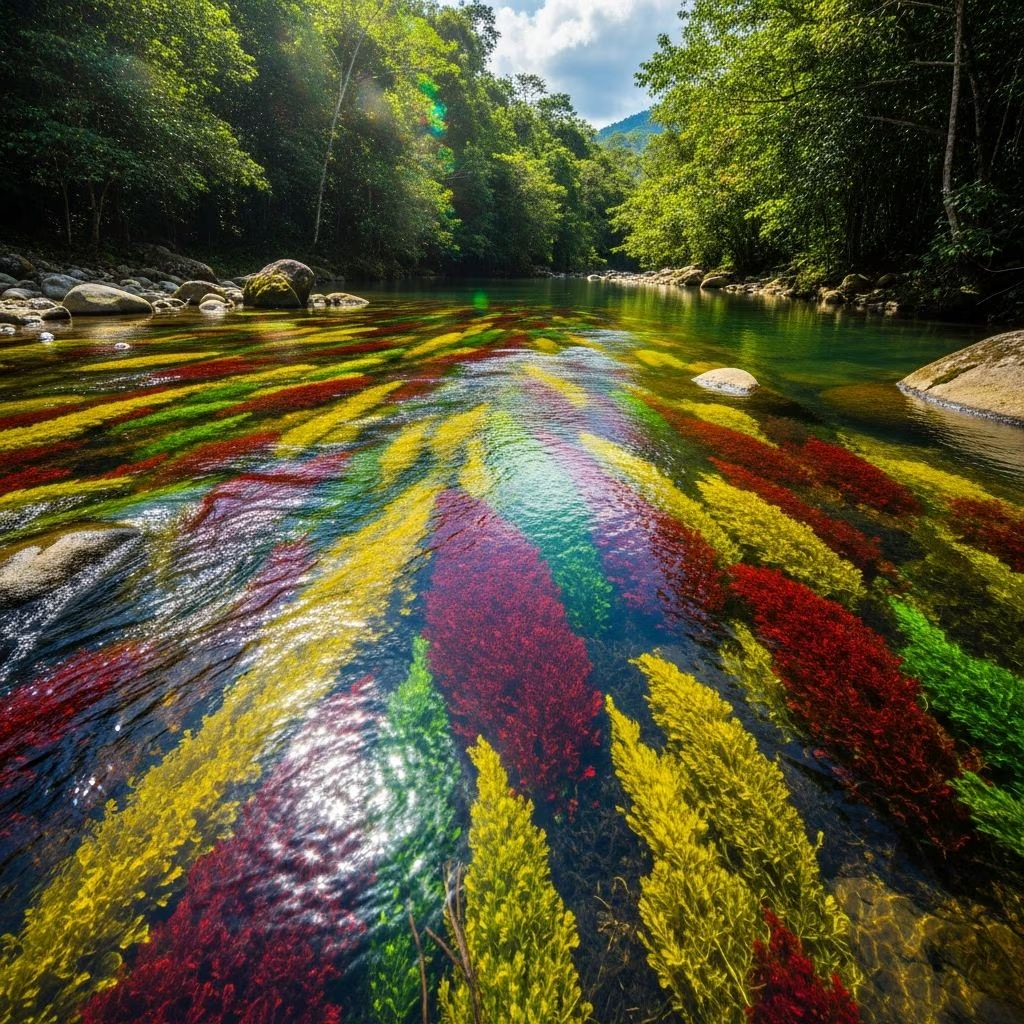
The river’s distinctive appearance stems from a fascinating biological process rather than geological or chemical factors. A unique aquatic plant called Macarenia clavigera thrives in the river’s crystal-clear waters, producing pigments that create the stunning chromatic display visitors travel thousands of miles to observe. When conditions align perfectly, the riverbed transforms into a living canvas of vibrant hues that seem almost too vivid to be real.
The visual spectacle of Caño Cristales operates according to natural seasonal rhythms. The river displays its most dramatic color palette during the wet season, which spans from May through November. During this period, the aquatic vegetation reaches peak blooming conditions, and water levels remain sufficiently high to showcase the plant’s pigmentation across the riverbed. The plant produces multiple colors simultaneously, creating a mesmerizing mosaic that includes brilliant reds, vibrant yellows, deep greens, striking blues, and dark blacks.
The intensity and clarity of these colors depend on several interconnected factors. Water clarity plays a crucial role—the crystal-clear waters must be undisturbed to properly display the plant’s pigmentation. Sunlight intensity affects color perception, with optimal conditions occurring during mid-day hours when overhead sun creates maximum contrast. The specific month of visitation within the prime season influences the color saturation and variety visible at any given moment.
Between November and May, during the dry season, the river loses most of its distinctive coloration. Water levels drop significantly, and the Macarenia clavigera plant becomes dormant, rendering the river far less visually striking. During these months, tourism to La Macarena nearly ceases entirely, with only the most dedicated explorers venturing to the region.
Caño Cristales resides within one of Colombia’s most remote and pristine protected areas. The Serrania de la Macarena National Park encompasses vast expanses of biodiversity, with the rainbow river representing just one of numerous ecological treasures within its boundaries. The river’s remote positioning has historically insulated it from development and mass tourism, preserving its natural character while simultaneously complicating visitor access.
Reaching this natural wonder requires commitment and advance planning. Most international travelers fly into Bogotá before connecting to La Macarena, a small town serving as the primary gateway to the national park. From La Macarena, the actual journey to Caño Cristales involves multiple transportation modes and several hours of travel. Visitors typically undertake boat rides along the Guayabero River, followed by hiking through varied terrain to reach different sections of the river.
The accessibility restrictions exist for legitimate conservation reasons. Park authorities regulate visitor numbers and mandate guided exploration to protect the delicate ecosystem from degradation. Independent travel to Caño Cristales is not permitted—visitors must engage licensed tour guides and authorized tour operators who possess the necessary permits and environmental credentials.
Selecting the optimal travel dates requires balancing several considerations. The months of July and August represent the peak season for experiencing Caño Cristales in its full chromatic glory. During these months, the Macarenia clavigera plant achieves maximum bloom coverage, water conditions remain ideal, and tour availability reaches its highest point. However, this peak season also brings increased tourist crowds and higher pricing for accommodations and tours.
For travelers seeking to balance visual impact with more manageable visitor numbers, June and September-October offer excellent alternatives. These shoulder-season months still provide stunning color displays while avoiding the absolute peak of tourist traffic. June marks the beginning of the wet season when colors first emerge, while September and October showcase vibrant hues as the season reaches its climax.
Physical preparation proves essential for any Caño Cristales expedition. The journey involves hiking through tropical terrain with variable elevation changes and challenging weather conditions. Visitors should maintain reasonable cardiovascular fitness and prepare for heat, humidity, and the possibility of sudden rain showers. Proper footwear with excellent grip becomes critical for navigating wet rocks and muddy paths.
The typical journey to Caño Cristales begins with flights from major Colombian cities. Bogotá serves as the primary international hub, though travelers can also depart from Medellín or Cali. Flights from these cities to La Macarena operate irregularly and may require private aviation for optimal scheduling. Flight duration from Bogotá to La Macarena typically ranges from one to two hours depending on aircraft type and routing.
Upon arrival at La Macarena, visitors must register with park authorities and pay entrance fees to Serrania de la Macarena National Park. This administrative process, while occasionally time-consuming, ensures that visit permits are properly documented and visitor numbers remain within sustainable limits. Tour operators typically handle these arrangements as part of their service packages.
From La Macarena town, visitors proceed via motorized boat to various access points for Caño Cristales exploration. The boat journey along the Guayabero River typically lasts twenty to thirty minutes and provides scenic views of the surrounding landscape. Upon reaching designated trailheads, visitors begin guided hikes that range from moderate to fairly strenuous depending on the specific trail and daily itinerary.
| Trail Feature | Experience Level | Duration | Highlights |
|---|---|---|---|
| Los Hoyos | Moderate | 2-3 hours | Deep pools for swimming, colorful riverbed sections |
| Los Pianos | Moderate | 2-3 hours | Smooth rock formations, cascading water features |
| El Mirador | Moderate to Challenging | 3-4 hours | Panoramic views of Colombian savanna and river valleys |
| Caño Cristalitos | Moderate | 2-3 hours | Smaller colorful river, natural pools, wildlife viewing |
| La Piscina del Turista | Easy to Moderate | 1-2 hours | Tourist-friendly swimming area with photogenic backdrops |
Park administrators have established several marked trails to distribute visitor impact across the landscape and reduce environmental strain on any single area. Each trail reveals distinct perspectives on the region’s natural beauty, from intimate close-up views of the colored riverbed to expansive vistas of the surrounding Colombian wilderness. Local guides assign specific trails based on group composition, fitness levels, and tour operator contacts, ensuring appropriate difficulty matching and preventing overcrowding on popular segments.
Swimming opportunities abound at designated locations along Caño Cristales. The crystal-clear waters maintain cool but comfortable temperatures, providing refreshing respite from the tropical heat. Designated swimming areas allow visitors to immerse themselves in the colored waters while protecting sensitive areas of the river ecosystem. Photographers find these swimming pools particularly rewarding, as the combination of human swimmers, colorful water, and dramatic rock formations creates compelling compositional elements.
La Macarena offers limited but functional accommodation choices. Budget hostels cater to independent travelers and backpackers seeking affordable options, while mid-range hotels provide comfortable rooms with basic amenities. Most visitors arrange accommodation through their tour operators, who secure rooms in partner establishments and coordinate arrival and departure logistics. Accommodation during peak season requires advance booking, as room availability becomes constrained.
Many tour packages include multi-night stays in La Macarena, allowing visitors to experience not only Caño Cristales but also other natural attractions in the region. Caño Cristalitos, a smaller but equally colorful tributary river, often features in extended itineraries. Laguna del Silencio, known for exceptional birdwatching opportunities, attracts nature enthusiasts seeking to complement their Caño Cristales experience with additional wildlife observations.
Selecting a reputable tour operator represents one of the most critical decisions for any Caño Cristales trip. Authorized operators possess necessary permits, maintain professional guide training standards, and uphold environmental protection protocols. Licensed guides possess detailed knowledge of trail conditions, ecological significance, and optimal photography locations.
Tour packages typically span three to five days and include transportation, accommodation, guide services, and meals. Three-day packages provide essential exposure to Caño Cristales while allowing time for travel logistics. Five-day packages enable more extensive exploration of surrounding natural areas and reduce the rushed feeling of condensed itineraries. Prices fluctuate based on season, group size, and operator prestige, with peak-season expeditions commanding premium rates.
Alternatively, independent travelers can arrive in La Macarena and arrange guides through local establishments. This approach typically proves more economical and provides flexibility in scheduling, though it requires greater logistical coordination and comfort with spontaneous arrangements.
Essential items for Caño Cristales expeditions include:
Physical conditioning before departure significantly enhances the trip experience. The combination of tropical heat, humidity, and hiking over challenging terrain can overwhelm visitors unprepared for these conditions. Building cardiovascular capacity and lower-body strength through moderate exercise programs reduces injury risk and enables fuller engagement with the landscape.
The preservation of Caño Cristales depends directly on visitor behavior and environmental consciousness. The fragile ecosystem supporting the Macarenia clavigera plant cannot tolerate unlimited foot traffic or careless resource use. Park regulations mandate staying on designated trails, avoiding disturbance of vegetation, and following guide instructions regarding water safety and ecological respect.
Visitors play crucial roles in conservation by respecting park boundaries, minimizing waste generation, and supporting local communities dependent on sustainable tourism. The economic incentives created by responsible tourism encourage local populations to prioritize ecosystem preservation over extractive activities that might generate short-term profits while causing irreversible environmental damage.
The Serrania de la Macarena region encompasses ecological and cultural treasures beyond the famous rainbow river. The Tinigua National Park, located nearby, protects diverse wildlife including harpy eagles, jaguars, and numerous endemic bird species. Laguna del Silencio provides exceptional birdwatching opportunities, with over three hundred bird species documented in the region. The broader landscape of the Colombian Llanos, or eastern plains, offers cultural experiences and wildlife observations complementing river-focused itineraries.
The Macarenia clavigera aquatic plant produces pigments that create the river’s distinctive coloration. These pigments interact with water clarity and sunlight to create the vibrant display of red, yellow, green, blue, and black hues.
Yes, swimming is permitted at designated locations. The water is clean and clear, though visitors should follow guide instructions regarding water depth and current conditions at specific swimming areas.
Trail difficulty varies from easy to challenging. Most visitors can manage moderate-difficulty trails with reasonable fitness levels. Guides can recommend appropriate trails based on individual capabilities.
Three-day package tours typically cost between $600-$1200 USD per person, depending on season and operator. Five-day tours generally range from $1000-$1800 USD. Independent travel may reduce costs but requires more coordination.
Yes, comprehensive travel insurance covering medical evacuation is advisable given the remote location and potential for weather-related travel disruptions.
