

 Travel Essentials
 Travel Essentials

Comprehensive guide to Cape Cod's top attractions, seasonal activities, coastal experiences, and hidden gems for travelers seeking adventure.
 Travel Essentials
Cape Cod stands as one of New England’s most cherished destinations, offering visitors a compelling blend of natural beauty, maritime heritage, and recreational opportunities. Whether you’re seeking relaxation on pristine beaches, immersion in local culture, or adventure through outdoor pursuits, this coastal peninsula delivers diverse experiences throughout the year. Understanding what Cape Cod has to offer allows travelers to craft meaningful itineraries that capture the region’s distinctive character.
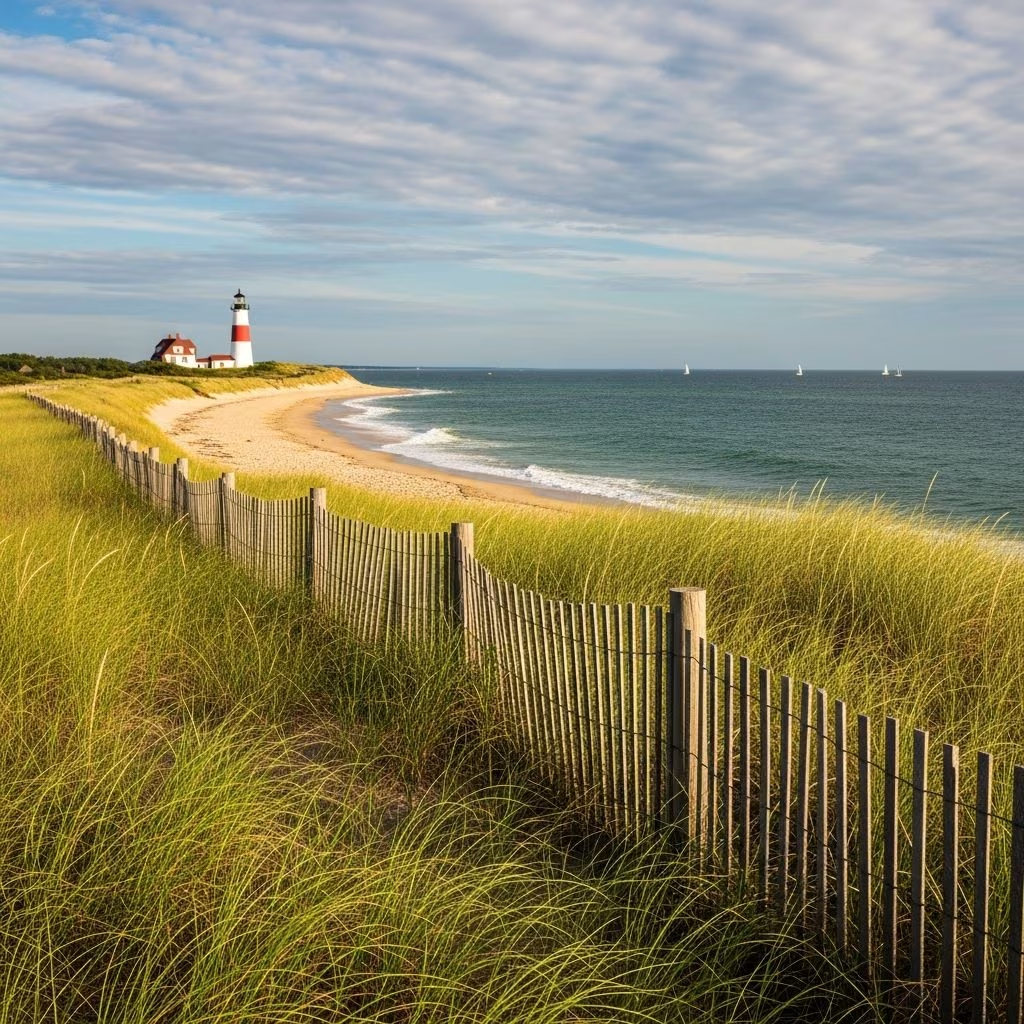
The beaches of Cape Cod represent perhaps the region’s most iconic attraction. With over 560 miles of coastline, the area features numerous public and private beaches, each offering distinct characteristics and atmospheres. Visitors can experience the calm, shallow waters of the bay side beaches or venture to the Atlantic-facing shores where more substantial waves create opportunities for water sports enthusiasts.
Beach culture in Cape Cod extends beyond swimming and sunbathing. Many beaches provide facilities for kayaking, paddleboarding, and surfing. The seasonal nature of Cape Cod means that beach experiences vary throughout the year—summer months bring crowded shores and vibrant beach town atmospheres, while shoulder seasons offer quieter, more contemplative beach experiences. Winter beach walks provide solitude and dramatic coastal scenery as powerful Atlantic swells reshape the shoreline.
Cape Cod’s connection to maritime history runs deep, with numerous lighthouses punctuating the coastline. These structures represent both functional navigation aids and romantic symbols of coastal life. Guided lighthouse tours offer visitors opportunities to learn about the region’s seafaring past while enjoying panoramic ocean vistas. Many lighthouses feature museums or visitor centers providing insight into their historical significance and the lives of lighthouse keepers.
The region’s maritime museums complement lighthouse experiences by presenting comprehensive narratives of Cape Cod’s nautical heritage. Exhibits often showcase fishing equipment, shipwreck artifacts, and documentation of the whaling industry that once dominated the local economy. Photography enthusiasts find lighthouse structures particularly compelling subjects, especially during golden hour photography sessions that capitalize on dramatic coastal lighting.
Cape Cod’s extensive network of trails and pathways makes the region ideal for cycling enthusiasts. Multi-use trails wind through forests, along waterways, and past charming village centers. These routes accommodate various skill levels, from leisurely family-friendly paths to more challenging terrain that appeals to experienced cyclists.
Trail cycling in Cape Cod combines recreation with practical transportation. Many visitors rent bicycles to explore towns, access beaches, and connect to local dining establishments. The integration of cycling infrastructure with cultural attractions creates opportunities for activity-based sightseeing that allows travelers to cover substantial distances while remaining engaged with their surroundings.
Popular cycling destinations include:
State parks and protected natural areas blanket Cape Cod, preserving diverse ecosystems and providing recreational opportunities. These protected spaces feature hiking trails, bird-watching locations, and interpretive programs that educate visitors about local ecology and conservation efforts. The region’s commitment to environmental stewardship means that visitors can explore largely unspoiled natural landscapes despite significant development pressure.
Nature-based tourism in Cape Cod includes specialized activities such as wildlife observation, botanical exploration, and ecological photography. Guided nature walks led by trained naturalists provide context for understanding the region’s unique environmental characteristics, including marine habitats, salt marshes, and coastal forests.
Beyond outdoor recreation, Cape Cod hosts vibrant cultural scenes centered on visual arts, performing arts, and historical preservation. Art galleries featuring both established and emerging artists scatter throughout the region’s towns. Seasonal festivals celebrate music, theater, and traditional crafts, attracting cultural enthusiasts alongside nature-focused visitors.
Local museums present comprehensive perspectives on Cape Cod’s history, from indigenous heritage through contemporary times. Some institutions focus narrowly on specific historical periods or themes, while others offer broader overviews. Educational programming often accompanies exhibitions, providing deeper engagement opportunities for culturally curious travelers.
The Cape Cod dining scene reflects the region’s coastal location and agricultural heritage. Fresh seafood features prominently in local menus, with establishments ranging from casual shacks to refined fine-dining venues. The farm-to-table movement influences many restaurants, which source seasonal ingredients from regional producers.
Culinary tourism experiences extend beyond traditional restaurant dining. Farmers markets showcase local produce, specialty foods, and artisanal products. Food festivals celebrate particular ingredients or cuisines, drawing both casual diners and serious food enthusiasts. Cooking classes and food-focused tours provide interactive engagement with local culinary traditions.
| Dining Category | Characteristics | Best For |
|---|---|---|
| Casual Waterfront | Fresh seafood, relaxed atmosphere, moderate pricing | Families, groups seeking casual dining |
| Fine Dining | Contemporary preparations, refined service, premium pricing | Special occasions, culinary enthusiasts |
| Farm-to-Table | Seasonal menus, local sourcing, chef-driven concepts | Health-conscious travelers, foodies |
| Traditional Taverns | Historic ambiance, comfort food, local character | Those seeking authentic regional atmosphere |
Cape Cod’s visitor experience varies dramatically across seasons. Summer represents peak tourism season with warm water temperatures, reliable sunshine, and fully operational seasonal businesses. Spring and fall offer moderate temperatures, reduced crowds, and appealing natural phenomena such as spring wildflower blooms and autumn foliage transitions.
Winter transforms Cape Cod into a quieter destination favored by those seeking solitude and dramatic coastal scenery. While water temperatures become prohibitively cold for most swimmers, winter activities include coastal hiking, photography, and cultural venue visits. Many year-round residents consider winter the most authentic time to experience Cape Cod’s true character.
Visitors typically benefit from structuring activities around Cape Cod’s geographic divisions. The Upper Cape offers proximity to mainland Massachusetts and features the region’s westernmost attractions. Mid-Cape provides central access to major highways and popular family-oriented destinations. Lower Cape extends toward the Atlantic and features the Cape’s most distinctive geographic features and pristine coastal landscapes.
Three to five-day itineraries allow visitors to experience multiple activity categories while avoiding excessive travel. Strategic lodging placement minimizes driving time between attractions, enabling more efficient use of vacation time.
Planning a successful Cape Cod visit requires consideration of several practical factors. Visitor information centers provide maps, brochures, and personalized recommendations. Official tourism websites offer comprehensive details about attractions, accommodations, and seasonal programming. Many attractions operate seasonally, making advance research essential for ensuring desired venues remain open during planned visits.
Transportation infrastructure includes public transit options, though personal vehicle rental often provides greater flexibility. Parking availability varies significantly by season and location, with some popular attractions requiring advance reservation or early arrival.
Summer offers optimal weather for beach activities but features crowded conditions and higher prices. Shoulder seasons provide pleasant weather with fewer crowds. Winter attracts those seeking solitude and dramatic scenery.
Three to five days allows visitors to experience multiple activity categories. Longer stays enable more relaxed pacing and deeper engagement with specific interests.
Many seasonal attractions close during winter months. However, significant attractions including museums, restaurants, and natural areas remain open throughout the year.
Cape Cod offers activities ranging from leisurely beach walks to challenging hiking trails, ensuring options for visitors with varying physical capabilities.
Visiting during shoulder seasons (May-June and September-October) or winter months provides substantially reduced crowds compared to July and August.
