

 Travel Essentials
 Travel Essentials

Discover efficient ways to navigate Cape Town using MyCiTi buses, ride-hailing apps, rentals, and local taxis while prioritizing safety and convenience.
 Travel Essentials
Cape Town offers a vibrant mix of transport choices that cater to every traveler’s needs, from budget-conscious backpackers to luxury seekers. Whether you’re heading to Table Mountain, the V&A Waterfront, or the Atlantic Seaboard beaches, understanding local options ensures smooth journeys amid stunning landscapes. This guide breaks down reliable methods, safety tips, and practical advice drawn from official insights and traveler experiences.
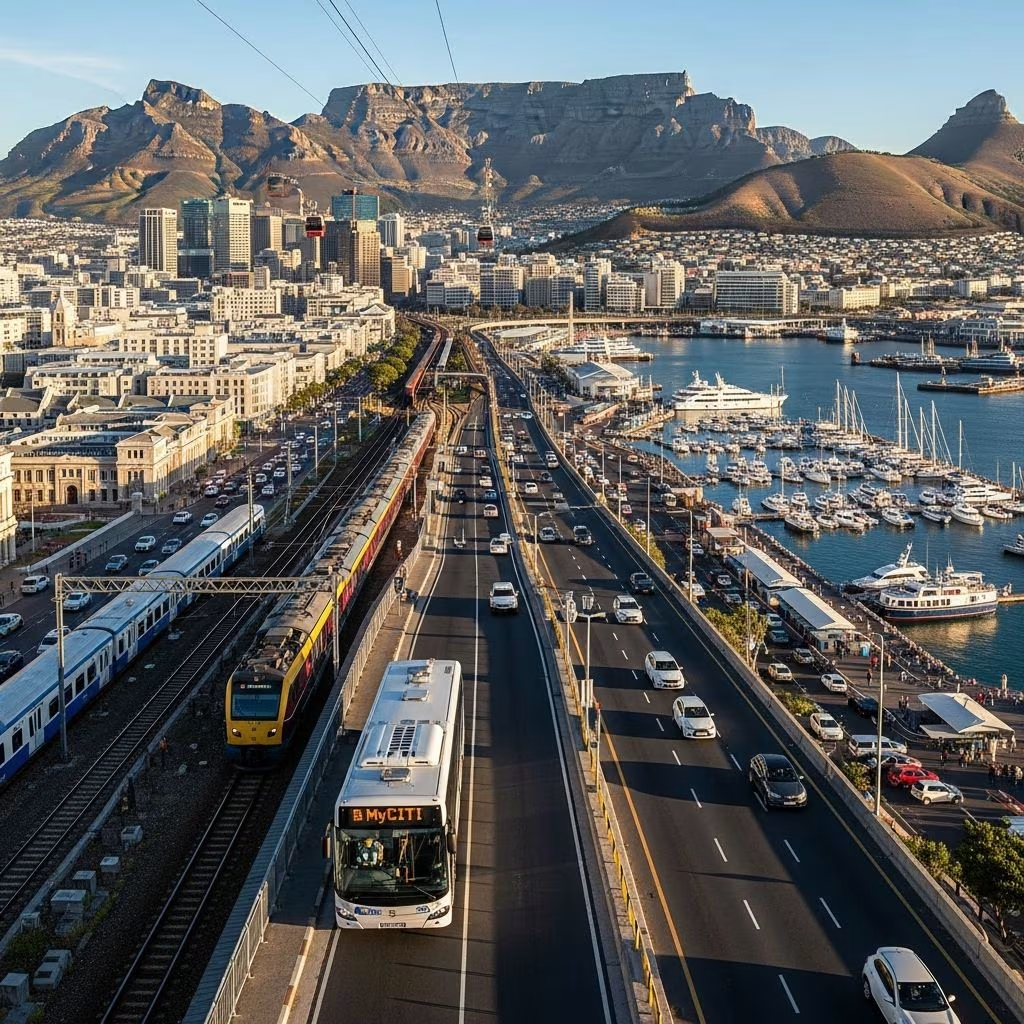
The cornerstone of Cape Town’s public transport is its bus systems, providing safe, scheduled services across key areas. MyCiTi buses stand out as the premier choice for visitors, featuring modern vehicles equipped with free Wi-Fi, security cameras, and clear timetables. These buses connect the city center to popular spots like Camps Bay, Hout Bay, the Waterfront, and even Cape Town International Airport.
Routes extend north to Bloubergstrand and Table View, south to Khayelitsha, and along the scenic Atlantic coast. For tourists, this means easy access to shopping at Canal Walk or Gardens, without the hassle of driving. Fares are pocket-friendly, starting low for short hops, and you can purchase reloadable cards at kiosks for seamless tapping in and out.
Golden Arrow buses complement MyCiTi by serving outer Cape Flats neighborhoods, though they are less tourist-oriented. Always check apps for real-time updates, as services may adjust for events or maintenance.
For flexibility, apps like Uber and Bolt dominate Cape Town’s streets, offering quick pickups via GPS. Opt for UberX over budget tiers like Uber Go to ensure cleaner vehicles and safer rides. These services shine for short trips, nightlife, or when buses aren’t running.
Expect surges during peak times or events like New Year’s at the Waterfront. Share your ride details with companions and stick to well-lit areas for pickups after dark. From the city center to Simon’s Town, rides cost R10-50 for typical distances, making them viable for groups splitting fares.
| App | Pros | Cons | Best For |
|---|---|---|---|
| Uber | Wide coverage, reliable tracking | Surge pricing | Airport transfers, nights out |
| Bolt | Often cheaper base rates | Fewer vehicles in suburbs | Short city hops |
Minibus taxis, or “tukkies,” pulse through Cape Town’s veins, offering dirt-cheap fares from R10 per short ride. No fixed stops—hail them with a raised hand anywhere along routes marked by dashboard signs. Conductors collect cash passed hand-to-hand, so carry small notes like R10 or R20.
These 15-seater vehicles ferry locals to townships, markets, and beaches, immersing riders in daily life. Honking signals availability, and drivers weave dynamically through traffic. While adventurous, they’re best for confident travelers during daylight in busy areas. Avoid if overloaded or heading to isolated spots solo.
Renting a car unlocks Cape Town’s peninsula, from Chapman’s Peak Drive to Cape Point. International firms at the airport offer compacts from R300/day, including GPS. Drive on the left, watch for speed cameras, and park in secure bays—free street parking is rare in the center.
Automatic transmissions suit visitors, and child seats are available. Fuel stations are plentiful, but tolls apply on highways. For safety, avoid townships and travel in convoys at night. Electric options are emerging, aligning with green tourism.
Metrorail connects Cape Town Station to suburbs like Fish Hoek and Khayelitsha, with fares under R20. Newer MetroPlus carriages offer comfort, but older ones face vandalism issues—stick to daytime, groups, and first-class.
Stations link to taxi ranks for hybrid trips. Recent upgrades improve reliability, but delays occur. Not ideal for tourists due to crime risks, though useful for longer hauls.
Cape Town’s hills challenge walkers, but flat promenades like Sea Point to Green Point suit strolls. Dedicated cycle lanes run to Table View and along the Walk of Remembrance. Bike rentals from Up Cycles allow one-way trips between Waterfront, Sea Point, and Camps Bay.
Bikes are MyCiTi-friendly but train-banned. Helmets mandatory; watch erratic drivers. E-bikes ease inclines to Lion’s Head trails.
MyCiTi’s airport bus is wheelchair-accessible with ramps and bridges. Taxis/Uber queue officially; shuttles handle groups. For disabilities, request adapted rentals or tours—MyCiTi leads in facilities.
Crime affects transport: use apps for buses/trains, avoid solo night taxis, and secure valuables. Travel in groups, share locations, and heed local advice. MyCiTi’s cameras enhance security.
| Method | Short Trip (R) | Airport (R) | Group-Friendly? |
|---|---|---|---|
| MyCiTi Bus | 10-20 | 100 | Yes |
| Uber/Bolt | 50-100 | 300-400 | Yes |
| Minibus Taxi | 10 | N/A | Yes |
| Car Rental/Day | N/A | 300+ | Yes |
| Train | 15 | N/A | Moderate |
MyCiTi buses are the top choice for safety, with cameras and reliable schedules covering tourist hubs.
No—buses, Uber, and tours suffice for most sites like Table Mountain and beaches.
Daytime in busy areas, yes for the bold; otherwise, stick to apps or buses.
MyCiTi bus (R100, 45 mins) or Uber (R300, 20 mins).
Yes on designated lanes, but traffic demands caution.
Combine MyCiTi for day hops, Uber for evenings, and rentals for day trips. Download apps like MyCiTi and NextRide for live tracking. Budget R200/day for mixed transport.
Embrace Cape Town’s diversity—from orderly buses to chaotic taxis—for authentic travels. Prioritize safety to focus on wonders like Robben Island and Boulders Beach.
